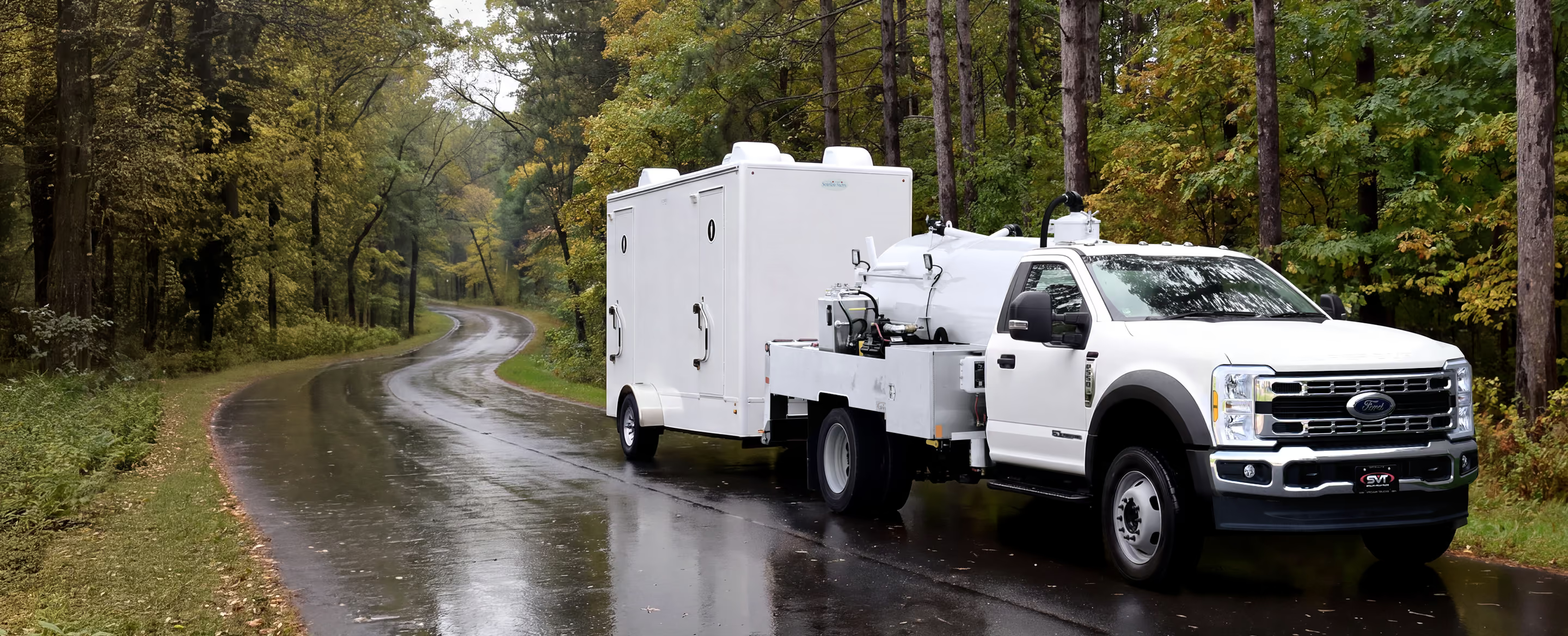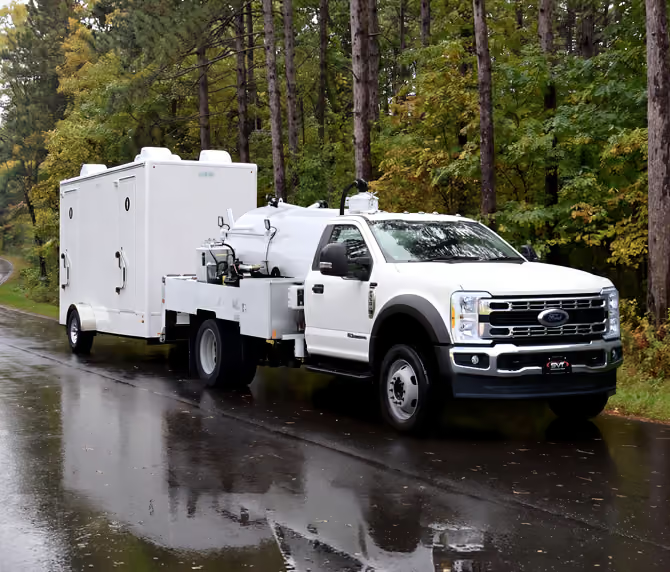
How to Start a Portable Restroom Business: Startup Costs, Equipment, Licensing, and Profit Potential
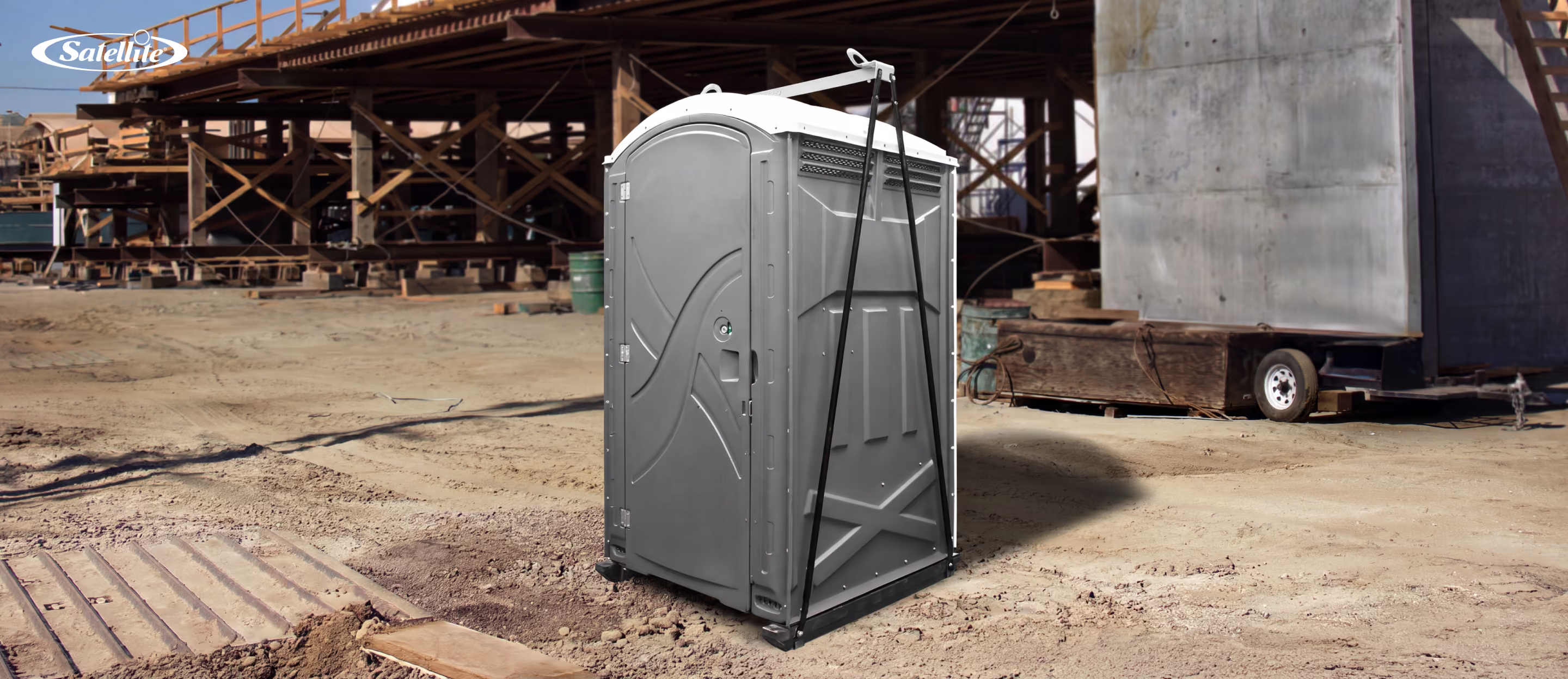
Starting a portable restroom business takes more than buying units. A successful operation depends on durable equipment, reliable service vehicles, quality consumables, and a clear plan for growth. As one of the world's leading portable sanitation manufacturers, Satellite Industries has helped operators launch and expand successful businesses for decades. This guide walks through exactly how to start a porta potty business, step by step.
This guide covers the equipment, startup costs, licensing requirements, pricing strategies, and practical decisions new operators should understand before launching.
Whether you're serving construction projects, special events, municipalities, or disaster response efforts, success starts with choosing the right equipment and understanding the true cost of ownership.
In this guide, portable restroom business, portable toilet rental business, porta potty business, and portable sanitation business all refer to the same core service model: renting sanitation equipment to customers and providing the delivery, pumping, cleaning, restocking, pickup, and support needed to keep that equipment in service.
For a practical starting point, most new operators should plan for 10 to 20 standard portable restrooms, a dependable service vehicle or slide-in vacuum module, a unit hauler, handwash stations, consumables, permits, insurance, and enough working capital to cover the first several months of operations.
Use this guide as a step-by-step roadmap: understand whether the business model fits your market, estimate equipment and startup costs, confirm licensing and insurance requirements, choose your first customer niche, set profitable pricing, and grow your fleet only when demand supports it.
How to Start a Porta Potty Business: The Quick-Start Overview
In short: starting a porta potty business means investing in portable restroom units, a service vehicle capable of pumping and transporting waste, a unit hauler, handwash stations, consumables, and the permits and insurance your state requires — then choosing one customer niche to focus on first. The sections below walk through each of these in detail.
Is a Portable Restroom Business Worth Starting?
The portable sanitation industry has quietly become one of the most dependable service industries in North America. Recurring demand comes from construction and infrastructure projects, municipalities, agriculture, industrial facilities, disaster response, and outdoor events.
Unlike many rental businesses, portable restrooms create recurring income beyond the initial delivery. Every rental requires scheduled servicing, which means operators continue generating revenue throughout the duration of each contract.
Well-managed portable restroom businesses can achieve strong profit margins, but results vary widely based on route efficiency, labor costs, equipment utilization, local pricing, disposal fees, financing terms, and maintenance expenses. New operators should model conservative revenue and cost assumptions before relying on any target margin or annual revenue range. As a benchmark, the U.S. portable sanitation market is valued at roughly $3.5 billion and growing around 5% annually, with well-run operations commonly achieving 20–40% net margins.
The Biggest Mistake New Operators Make
After working with thousands of portable restroom operators, Satellite has seen one challenge repeatedly.
Many new businesses underestimate the equipment needed to operate efficiently.
Buying only a handful of restrooms may seem like a conservative financial decision, but it often creates operational problems. Small fleets limit the ability to secure larger contracts, reduce route efficiency, and make it difficult to generate enough recurring revenue to support future growth.
Likewise, purchasing inexpensive equipment simply because it has a lower upfront price can result in higher maintenance costs, more downtime, and frustrated customers.
Successful operators invest strategically by choosing dependable equipment that can support efficient routes, reliable service, and measured growth.
Operator Tip
Think beyond today's customers. Purchase equipment that allows your business to grow over the next three to five years rather than simply meeting your immediate needs.
What Equipment Do You Actually Need to Start?
Most portable restroom companies are built on a similar foundation. While fleets vary in size and specialty equipment is added over time, nearly every operator begins with six essential categories of equipment.
Choosing the right products from the start helps reduce maintenance issues, improve route efficiency, and prepare the business for future expansion.
1. Portable Restroom Units — The Foundation of Your Business
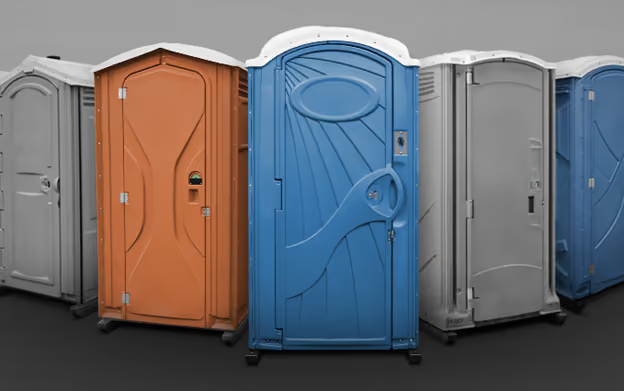
Portable restroom units are your primary revenue-generating asset; without enough inventory, there are no rentals to sell.
Most successful operators begin with 10 to 20 standard portable restroom units, providing enough inventory to establish profitable routes while leaving room for future growth.
Not sure 10–20 is the right number for your market? See How Many Portable Restrooms to Start a Rental Business for a more detailed breakdown by customer type.
For construction projects, industrial facilities, and general rentals, the Satellite Tufway® has become one of the industry's most trusted workhorse restrooms. Designed specifically for high-frequency rental operations, the Tufway combines durability, stack ability, and service-friendly features that help reduce maintenance while maximizing transportation efficiency.
Operators serving higher-end events often complement their fleet with premium models such as the Maxim 3000®, which offers enhanced aesthetics and additional comfort for weddings, corporate functions, and upscale venues.
As your business grows, restroom trailers open an entirely new revenue stream by serving customers who require premium sanitation experiences. Luxury events, film productions, sporting venues, and VIP hospitality frequently command higher rental rates than traditional construction projects.
Why Quality Matters
Portable restrooms endure years of transportation, servicing, weather exposure, and daily use.
Choosing durable equipment from the beginning often reduces long-term ownership costs through fewer repairs, longer service life, and greater customer satisfaction.
Operator Tip
Your restroom is your company's first impression. Clean, well-maintained equipment helps customers remember your service—not just your price.
2. Your Service Vehicle Is Your Most Important Investment
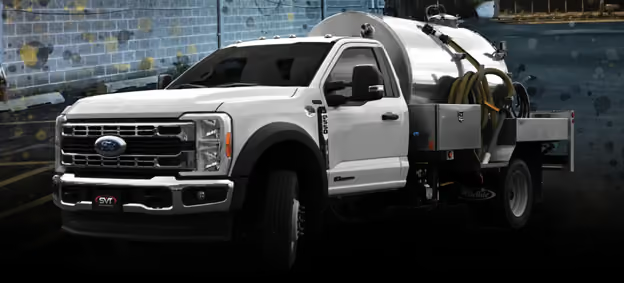
Your service vehicle keeps revenue dependable by making scheduled pumping, cleaning, and restocking possible.
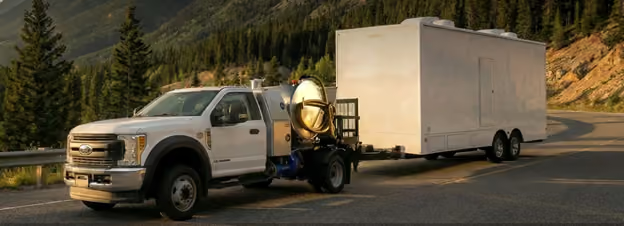
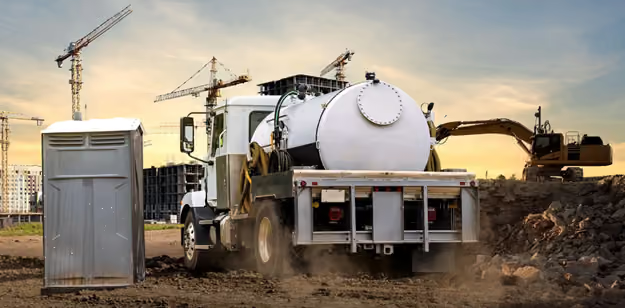
For most startups, a slide-in vacuum module installed in a heavy-duty pickup truck provides the most economical entry into the industry. A slide-in system is usually the lower-cost way to begin servicing customers without buying a dedicated vacuum truck.
As routes become larger and service frequency increases, a purpose-built vacuum truck offers more capacity, faster servicing, and better efficiency for full-time or multi-route operations.
3. Unit Haulers Make Every Delivery More Efficient
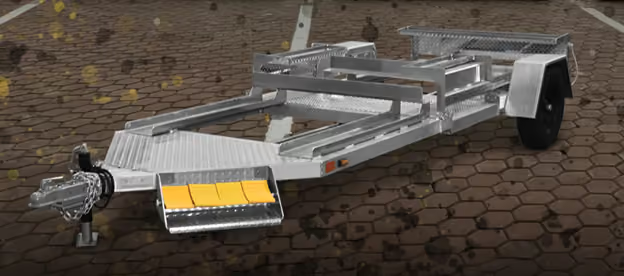
As your customer base expands, transporting restrooms efficiently becomes just as important as servicing them.
A quality unit hauler allows one driver to deliver or retrieve multiple portable restrooms in a single trip, reducing labor costs and increasing daily productivity.
For startup operators, an entry-level trailer capable of transporting four to ten units often provides the best balance between affordability and flexibility.
As fleets continue growing, larger-capacity haulers reduce transportation time during festivals, commercial construction projects, municipal deployments, and large-scale events.
Without dedicated hauling equipment, logistics quickly become the bottleneck limiting future growth.
4. Handwash Stations Create Value Beyond Compliance
Today's customers expect more than just portable restrooms.
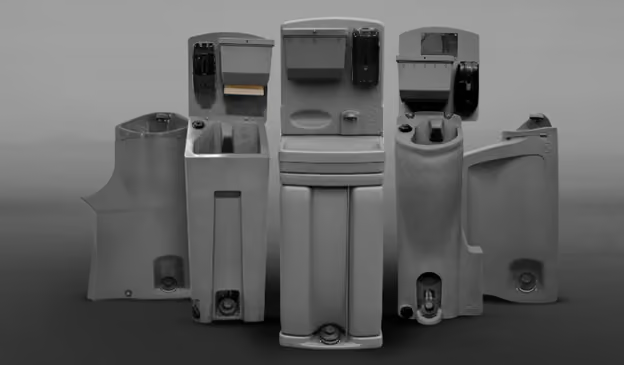
Hand hygiene has become a standard expectation across construction sites, outdoor events, parks, recreational facilities, and municipal projects.
On many construction sites, employers must provide adequate sanitation and handwashing facilities for workers. Offering both portable restrooms and handwash stations helps customers support jobsite hygiene requirements while increasing the value of every rental.
Specifically, 29 CFR 1926.51(f)(1) requires washing facilities on construction sites, which is why pairing a handwash station with every restroom delivery isn't just good service — it's compliance.
Satellite's Tag 4® Handwash Station offers operators a durable, easy-to-maintain solution that pairs naturally with portable restroom rentals.
For many businesses, bundling a handwash station with every restroom delivery increases average revenue without adding significant operational complexity.
Operator Tip
Don't sell a restroom—sell a complete sanitation solution. Customers appreciate one supplier handling everything they need.
5. Consumables Keep Customers Happy—and Routes Profitable
The rental is only the beginning; each service visit depends on the right supplies.
Every service visit requires consumables that keep restrooms clean, sanitary, and odor-free.
Essential supplies include:
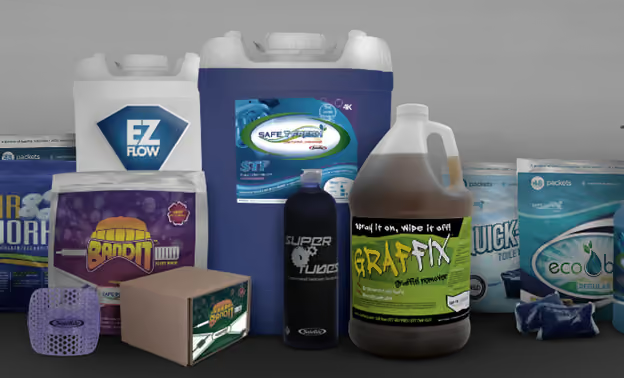
- Safe-T-Fresh® deodorizers
- Toilet paper
- Hand soap
- Hand sanitizer
- Cleaning chemicals
- Freshwater treatment products
- Urinal screens
- Maintenance supplies
Many experienced operators recommend establishing a dependable consumables supplier before launching the business.
Running out of deodorizer during peak season can quickly become a route-wide problem.
Satellite's complete line of portable sanitation consumables allows operators to simplify purchasing while maintaining consistent product performance across every service visit.
6. Safety & PPE — Protect Yourself and Your Staff
Servicing portable restrooms means regular exposure to waste, cleaning chemicals, and other hazardous materials. Beyond basic liability, OSHA expects operators to equip technicians with proper protective gear for every service visit.
Satellite carries a full Safety & PPE line built specifically for sanitation operators — gloves, eye protection, and safety apparel — a product category many new PROs don't realize Satellite offers.
How Much Does It Cost to Start a Portable Restroom Business? (Porta Potty Business Startup Costs)
One of the first questions prospective operators ask is, "How much does it cost to start a porta potty business?"
The honest answer is that there isn't a one-size-fits-all number.
Your startup investment depends on several factors, including the size of your initial fleet, the type of customers you plan to serve, whether you purchase new or used equipment, and how much of your operation you intend to own versus finance.
For example, a company focused on residential construction in one county may require fewer assets than an operator serving large commercial contractors, municipalities, or regional events.
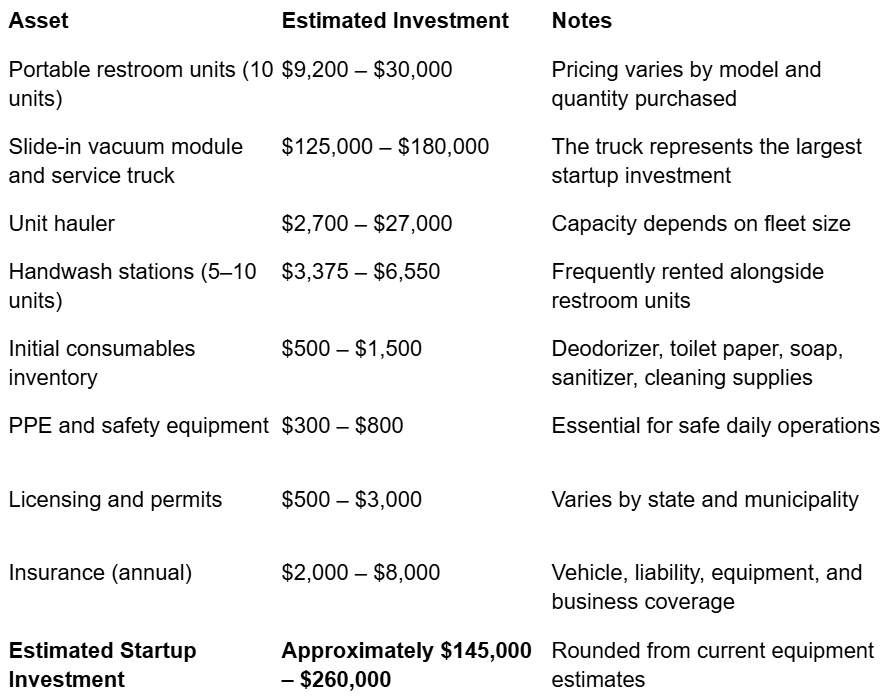
Regardless of your business model, nearly every startup invests in the same core categories: portable restroom units, a service vehicle, hauling equipment, handwash stations, consumables, safety equipment, licensing, and insurance.
The following estimates provide a realistic starting point for launching a professional portable restroom operation, but actual costs will vary by equipment specifications, market conditions, financing terms, freight, taxes, and supplier pricing.
Understanding Where Your Money Goes
At first glance, the total investment may seem substantial, but it's important to understand that much of your capital is going toward long-term, revenue-producing assets.
Portable restrooms generate recurring rental income, service vehicles make weekly service possible, and trailers improve delivery and pickup efficiency.
Unlike many businesses where inventory is sold once and replaced, portable restroom equipment continues producing revenue for years when properly maintained.
Think of your startup investment as building the infrastructure for a recurring-service business rather than purchasing inventory that immediately leaves the warehouse.
New vs. Used Equipment
Many first-time operators consider purchasing used equipment to reduce startup costs.
While quality pre-owned equipment can be an excellent investment, it's important to evaluate more than just the purchase price.
Consider:
- Pump condition
- Vacuum system performance
- Tank integrity
- Maintenance records
- Frame corrosion
- Trailer condition
- Availability of replacement parts
- Manufacturer support
An inexpensive service truck that spends weeks in the repair shop quickly becomes more expensive than purchasing dependable equipment from the start.
The same applies to portable restroom units.
Cracked floors, damaged doors, leaking tanks, and worn hardware create ongoing maintenance costs while negatively affecting customer perception.
Preserve Working Capital
One mistake many new business owners make is spending every available dollar on equipment.
Even after purchasing your fleet, you'll still need operating capital for:
- Fuel
- Employee wages
- Marketing
- Waste disposal fees
- Vehicle maintenance
- Emergency repairs
- Office expenses
- Inventory replenishment
Maintaining healthy cash flow during the first year often determines whether a startup succeeds, which is why many operators finance major assets instead of spending every available dollar upfront.
Satellite Rewards
Satellite Rewards, our new customer loyalty program, is designed to reward you for choosing Satellite Industries. Earn reward points on qualifying purchases and redeem them for discounts on eligible products. Enrollment is free, getting started is easy, and the more you purchase, the more you earn. Rewards Program
Financing is available through Satellite's financing partners. Learn more at Financing.
Choosing Your First Customer Niche
If you are comparing equipment options, match each purchase to the work you want to win first. Standard restrooms and handwash stations are often the right foundation for construction and municipal accounts, while premium units, restroom trailers, and larger hauling capacity become more important as you move into weddings, festivals, corporate events, and VIP applications.
One of the biggest mistakes new operators make is trying to serve every market at once. Construction companies, wedding planners, music festivals, municipalities, agriculture, film production, and emergency response customers all have different expectations, equipment requirements, service schedules, pricing models, and seasonal demands.
The most successful operators usually dominate one market first before expanding into others.
Construction Customers
Construction remains the foundation of the portable sanitation industry.
Projects may last anywhere from a few weeks to several years, creating predictable recurring revenue through scheduled servicing.
Construction customers typically value:
- Reliability
- Consistent servicing
- Fast response times
- OSHA compliance
- Durable equipment
- Competitive long-term pricing
For this market, your priority should be dependable standard portable restrooms, accessible units, handwash stations, and a reliable service vehicle.
The recurring nature of construction contracts makes this one of the strongest markets for startup businesses.
Events
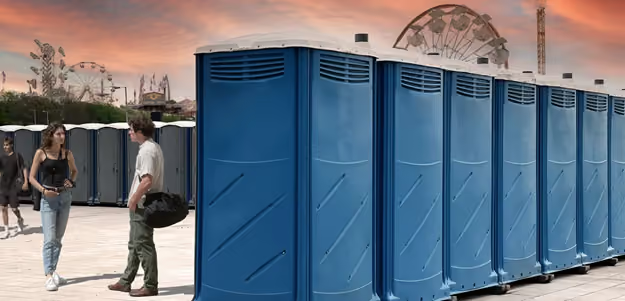
Events offer a different opportunity than construction work. Instead of long-term rentals, operators often manage large deployments over short periods, where success depends on precise logistics, clean equipment, on-time delivery, and well-coordinated pickup schedules.
Event customers are also more likely to request premium products, including restroom trailers, accessible units, handwashing stations, and luxury accommodations.
Although event work can command higher rental rates, it also requires more planning, transportation capacity, and inventory.
Which Market Should You Choose?
If you're starting from scratch, focus on the niche that best matches your local demand and available equipment.
Once your routes become consistent and cash flow is predictable, expanding into additional markets becomes much easier.
Operator Tip
It's better to become known as the best construction sanitation provider in your county than to be average at serving five different markets.
Construction vs. Events: A Side-by-Side Comparison
Still deciding where to focus first? Here's how the two most common starting niches compare across revenue, equipment, and compliance.
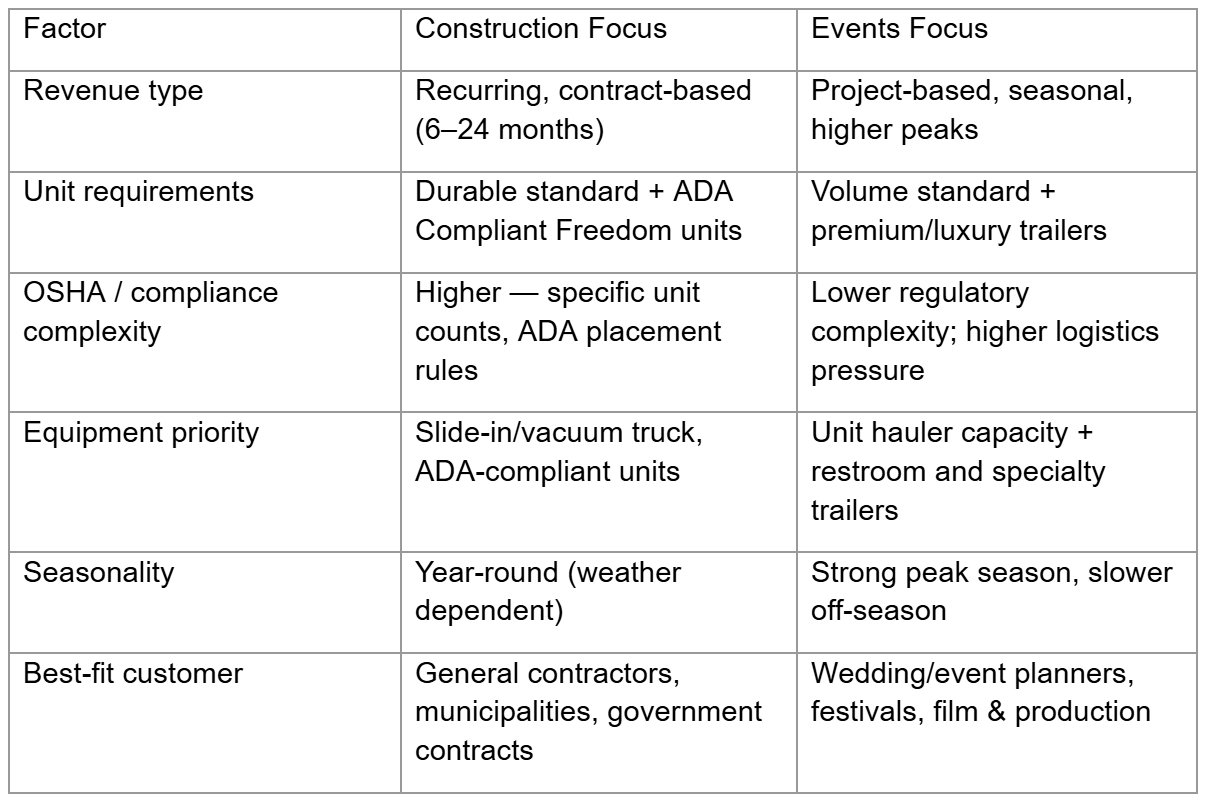
For a full breakdown of ADA unit requirements, placement rules, and station counts, see our ADA compliance guide for portable restrooms.
Fleet Growth Milestones
Every successful portable restroom company started with a small fleet.
Growth happens one contract at a time.
Here's what that journey often looks like.
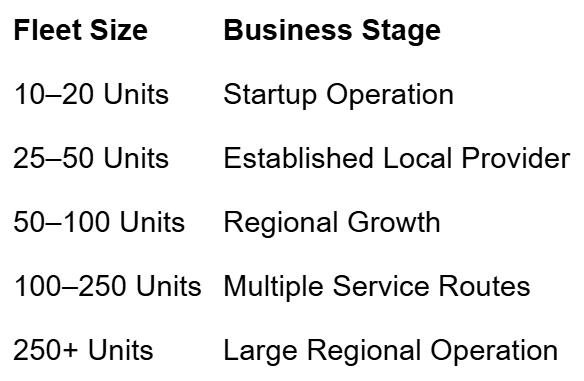
Notice that each stage is defined less by the number of restrooms than by operational capability: additional technicians, more efficient routes, added service trucks, expanded product offerings, and premium restroom trailers.
The goal is to scale efficiently without letting customer service slip as the fleet grows.
Licensing and Legal Requirements: What Every New Portable Restroom Operator Should Know
Launching a portable restroom business involves more than purchasing equipment. Before placing your first unit, it's important to ensure your business complies with all applicable federal, state, and local regulations. Licensing requirements vary by location, so always verify the latest requirements with your state's environmental agency, department of health, and local municipality.
New to the industry entirely? Our Starting a Portable Sanitation Business guide walks through the full operational setup process step by step.
The following are the four primary areas every new operator should address before opening for business.
General Business License
Every portable restroom company should be properly registered as a legal business entity. Depending on your location, this may include obtaining a general business license, registering your business with the state, securing a federal Employer Identification Number (EIN), and obtaining any required local operating permits.
While licensing fees vary by jurisdiction, they are typically a relatively small portion of your overall startup investment.
Waste Hauler Permit
Because portable restroom operators transport wastewater, many states require a waste hauler or septage hauling permit. These permits help ensure waste is collected, transported, and disposed of responsibly at approved treatment facilities.
Before purchasing equipment, identify where wastewater will be discharged and understand the associated disposal fees. Disposal location, travel distance, and tipping fees all impact your operating costs and should be considered when developing your pricing model.
Commercial Driver's License (CDL)
Depending on the size and weight of your service truck, a Commercial Driver's License (CDL) may be required. In many cases, vehicles with a Gross Vehicle Weight Rating (GVWR) of 26,001 pounds or more require a CDL, although additional state regulations may apply.
If you're purchasing a dedicated vacuum truck or towing larger trailers, verify licensing requirements before hiring drivers or placing equipment into service.
Commercial Insurance
Insurance protects both your business and your customers.
Most commercial contractors, municipalities, and event venues require proof of insurance before awarding contracts.
A comprehensive policy may include:
- General liability insurance
- Commercial vehicle coverage
- Equipment coverage
- Workers' compensation
- Pollution liability (where applicable)
- Umbrella liability coverage
Obtaining insurance quotes early helps you accurately calculate startup costs and ensures there are no surprises once you're ready to begin operations.
Operator Tip
Develop a relationship with an insurance provider familiar with portable sanitation. They'll understand your equipment, servicing operations, and industry-specific risks far better than a general commercial broker.
How to Price Your Services and Win Your First Contracts
Pricing is one of the most important decisions you'll make as a new portable restroom operator—and one of the easiest places to make costly mistakes.
Many startups believe lowering prices is the fastest way to win customers. In reality, underpricing often leads to cash-flow issues, deferred maintenance, and an inability to invest in growth.
Successful operators understand that customers aren't simply renting a portable restroom—they're paying for dependable service.
Your pricing should reflect the complete cost of providing that service.
Calculate Your True Cost of Service
Before establishing rental rates, determine the cost of every service visit, including:
- Labor
- Fuel
- Waste disposal fees
- Cleaning chemicals
- Toilet paper and consumables
- Vehicle maintenance
- Equipment depreciation
- Insurance
- Administrative expenses
- Desired profit margin
Only after understanding your total operating costs should you establish customer pricing.
Depending on your market, standard portable restroom rentals often range from $100 to $250 per month per unit, with pricing influenced by delivery distance, service frequency, contract length, and local competition.
Event rentals are typically quoted by the day, weekend, or project and may include additional charges for setup, teardown, attendants, or premium restroom trailers.
Your First Customers
Most operators don't land their first contracts through expensive advertising campaigns.
Instead, they build relationships within their local community.
Excellent opportunities include:
- General contractors
- Home builders
- Excavation companies
- Utility contractors
- Municipal governments
- Parks departments
- Event planners
- Wedding venues
- Equipment rental companies
- Septic service providers
- Landscapers
- Property managers
Word-of-mouth remains one of the strongest drivers of new business in the portable sanitation industry. Consistently delivering clean equipment, showing up when promised, and communicating proactively often generates more referrals than any marketing campaign.
Ready to generate leads beyond referrals? Check out our related post, 7 Easy Steps to Market Your Portable Sanitation Business.
Operator Tip
Customers usually leave when service becomes unreliable, not because a competitor is a few dollars cheaper.
Growing Your Fleet: From Startup to Scalable Business
Long-term success depends on expanding strategically rather than simply purchasing more equipment.
Before investing in additional assets, evaluate key performance indicators such as:
- Fleet utilization
- Route efficiency
- Revenue per unit
- Service costs
- Customer retention
- Maintenance expenses
If your existing inventory remains consistently rented and you're regularly turning away profitable work, it's likely time to grow.
The next investment might be more restrooms, a second service vehicle, another technician, or a larger unit hauler that helps your team complete deliveries more efficiently.
Premium products such as restroom trailers, shower trailers, freshwater systems, and specialty sanitation equipment can also open new markets while increasing average revenue per rental.
The key is ensuring your operational infrastructure grows alongside your inventory.
Financing for Sustainable Growth
When demand increases, operators must decide whether to buy additional equipment upfront or finance expansion while keeping cash available for daily operations.
Financing can support that growth while preserving cash for payroll, fuel, inventory, maintenance, and other operating expenses.

Build Your Business with Confidence
Starting a portable restroom business is a significant investment, but it can create recurring revenue, long-term customer relationships, and steady demand across multiple industries.
The strongest operators grow by matching dependable equipment, efficient routes, and clear operating costs to the customers they can serve best.
At Satellite Industries, we've partnered with portable restroom operators around the world for decades. From portable restrooms and service equipment to handwash stations, restroom trailers, consumables, PPE, financing solutions, and ongoing support, we're committed to helping operators build businesses that thrive.
Whether you're purchasing your first ten units or expanding into new markets, our team is ready to help you find the right equipment, answer your questions, and support your long-term success.
Ready to start your portable restroom business? Connect with Satellite Industries to compare equipment options, estimate startup costs, explore financing, and build a fleet plan for your first customers and long-term growth.
Ready to Build Your Portable Restroom Business?
Explore our full product range, check current inventory, or speak with a Satellite Account Executive about financing your fleet.
Frequently Asked Questions
How much does it cost to start a portable restroom business?
A realistic startup investment typically ranges from approximately $145,000 to $260,000, depending on fleet size, equipment selection, financing terms, and local market conditions. Major expenses include units, a service vehicle, hauling equipment, handwash stations, consumables, permits, insurance, and PPE.
How many porta potties do you need to start a business?
Most successful operators begin with 10 to 20 portable restroom units focused on a specific market, such as construction or local events. Starting with enough inventory to build efficient service routes allows businesses to pursue recurring contracts while leaving room for future expansion.
Do you need a license to start a porta potty business?
Yes. Most operators need a general business license and a waste hauler or septage hauling permit. Depending on the size of the service vehicle, a Commercial Driver's License may also be required. Commercial insurance is typically mandatory before working with contractors, municipalities, or event venues. Because regulations vary, always verify requirements with your state and local agencies.
Is a portable restroom business profitable?
A well-managed portable restroom business can be profitable, but results vary based on route efficiency, utilization, labor costs, disposal fees, financing terms, local pricing, and maintenance expenses. The recurring service model can support predictable revenue when operators control costs and build long-term customer relationships.
What equipment do you need to start a porta potty business?
At a minimum, you'll need portable restroom units, a service vehicle with a vacuum system, a unit hauler, handwash stations, cleaning chemicals, deodorizers, toilet paper, soap, PPE, and approved wastewater disposal arrangements. Durable, commercial-grade equipment can reduce maintenance costs and support long-term growth.
Lo último del blog de Satellite Industries
¿Necesita ayuda {¿Encontrar la solución de saneamiento adecuada?}
Satellite Industries es el mayor fabricante de baños portátiles, remolques para baños, camiones para baños, camiones sépticos, deslizantes, transportadores de unidades, tecnología de vacío, soluciones modulares, consumibles y desodorantes.