Vac Trucks: The Complete Guide to Vacuum Truck Types, How They Work, and How to Choose One
A vacuum truck is a specialized vehicle equipped with a sealed tank and vacuum pump that creates negative pressure to collect liquids, sludge, and slurry through a hose. These trucks transport collected material for appropriate disposal or processing and are commonly used in septic pumping, portable sanitation, municipal maintenance, industrial cleaning, and construction.
At Satellite Industries, we know that choosing the right vacuum truck involves more than comparing tank sizes. Pump performance, chassis capacity, equipment configuration, and daily operating demands all affect how efficiently a truck performs in the field.
Whether you're purchasing your first vacuum truck, expanding your fleet, or considering a slide-in unit, understanding the available options can help you select equipment that supports your operation.
This guide explains how vacuum trucks work, the different types available, their common applications, and the specifications that matter when choosing the right configuration.
How a Vacuum Truck Works
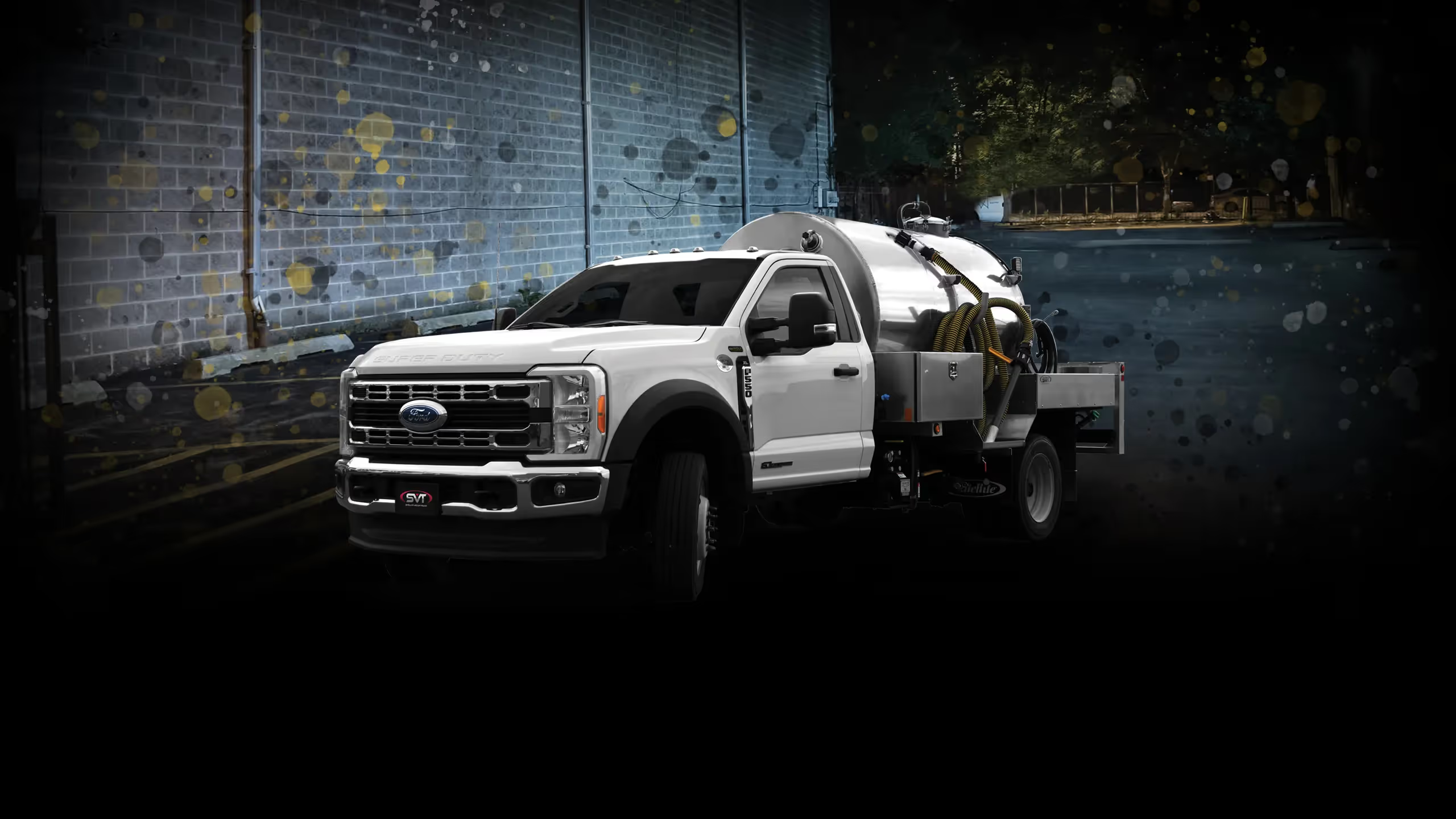
A vacuum truck operates by creating a pressure difference between the inside of its collection tank and the surrounding atmosphere.
The vacuum pump removes air from the sealed tank, reducing the internal pressure. When the intake valve opens, atmospheric pressure pushes liquid or other compatible material through the suction hose and into the tank.
The pump does not directly pull waste through the hose. Instead, it removes air to create the pressure difference that allows material to flow into the collection tank.
This process makes vacuum trucks particularly useful for collecting wastewater, septic waste, sludge, and other pumpable materials from tanks, pits, and holding systems.
Although the operating principle is relatively simple, several factors influence how effectively a truck performs.
Suction lift, hose diameter, hose length, pump capacity, and material consistency all affect collection speed. For example, thicker sludge may move more slowly through a hose than water, while longer hose runs can increase resistance and reduce efficiency.
These considerations become especially important for contractors who regularly work with difficult access points or varying waste conditions.
Key Components of a Vacuum Truck
Understanding the primary components of a vacuum truck can help operators evaluate equipment performance, maintenance requirements, and long-term reliability.
Collection Tank
The collection tank stores material during loading and transportation. Tanks are manufactured in different sizes and materials, including carbon steel, stainless steel, and aluminum, depending on the intended application.
Tank design must account for the vacuum conditions the equipment will experience. If the system uses pressure discharge, the tank must also be specifically designed and rated for that operation.
Material compatibility, corrosion resistance, and tank weight are important considerations when evaluating a truck.
Vacuum Pump
The vacuum pump creates the negative pressure needed to collect material.
Pump performance is commonly measured in cubic feet per minute (CFM), which describes airflow capacity. However, CFM alone does not determine how quickly a truck will load.
Operating vacuum, suction lift, hose configuration, and material characteristics all contribute to actual performance.
A properly matched vacuum system should provide sufficient capability for the intended workload without relying on pump size alone.
Hoses and Valves
Suction hoses connect the collection point to the truck's tank, while valves control loading and discharge operations.
Hose diameter affects flow resistance, and hose length influences how efficiently material moves through the system.
For operators making frequent stops, accessible hose reels and practical valve placement can also reduce setup time and unnecessary handling.
Primary Shutoff and Moisture Trap
The primary shutoff helps prevent collected material from entering the vacuum line when the tank approaches its operating fill limit.
A secondary shutoff or moisture trap provides additional protection against liquid carryover.
These components help protect the vacuum pump from contamination and damage, making regular inspection and maintenance essential.
Power Take-Off (PTO) or Auxiliary Drive
The vacuum pump requires a power source, which may come from the truck's drivetrain through a power take-off or from an auxiliary engine or drive system.
PTO-driven systems use the vehicle's engine to power the vacuum equipment, while auxiliary systems operate through a separate power arrangement.
The appropriate configuration depends on the chassis, equipment design, operating requirements, and expected duty cycle.
Loading Versus Offloading
During loading, the vacuum pump reduces pressure inside the tank, allowing atmospheric pressure to move material through the suction hose.
Offloading uses a different process. Depending on the equipment configuration, material may be discharged through gravity or an approved pressure-discharge system.
Not every vacuum tank is designed for pressure unloading. Operators must follow the manufacturer's instructions and pressure limitations.
The discharge method can influence unloading time, disposal-site compatibility, and overall route efficiency.
Types of Vacuum Trucks
Vacuum trucks are available in several configurations designed to handle different materials and operating environments.
While these trucks share the same basic collection principle, their tank designs, pump systems, and supporting equipment can vary significantly.
Understanding these differences helps operators select equipment suited to their daily workload rather than choosing a truck based on capacity alone.
Common Types of Vacuum Trucks
Liquid Vacuum Trucks
Liquid vacuum trucks are designed to collect and transport compatible liquids and pumpable waste materials.
These trucks may be used for wastewater collection, water removal, and certain industrial liquid waste applications.
Because liquid waste characteristics vary, tank construction, pump performance, and material compatibility should be evaluated carefully.
Septic and Pumper Trucks
Septic trucks are designed to remove accumulated waste from septic tanks, holding tanks, and other approved collection systems.
Septic contractors often perform multiple pumping jobs in a single day, making tank capacity, suction performance, and hose accessibility particularly important.
A truck that supports efficient loading and unloading can help operators maintain productive routes while reducing unnecessary downtime.
Satellite Industries builds septic truck configurations for contractors who need dependable equipment for recurring pumping operations.
Portable Restroom Service Trucks
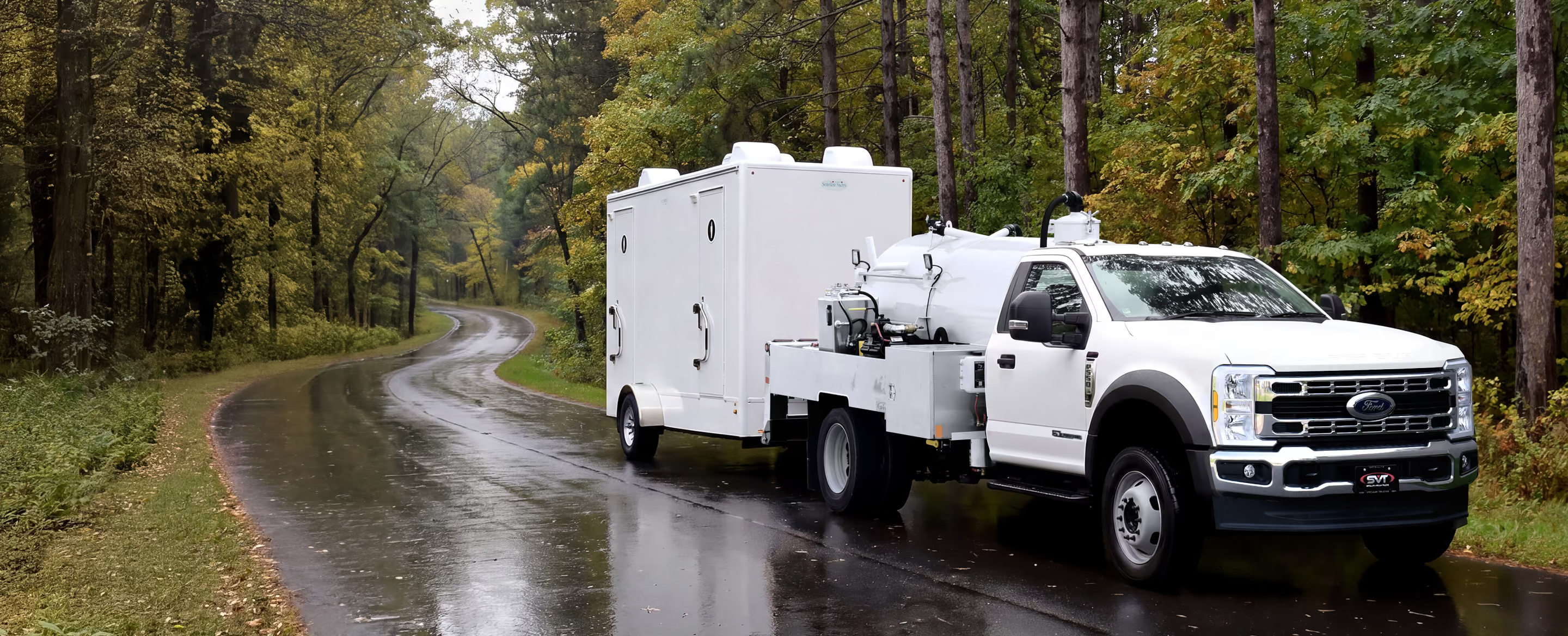
Portable restroom trucks are designed to support the routine servicing of portable toilets, restroom trailers, and holding tanks.
Unlike many standard liquid vacuum trucks, these vehicles typically combine waste collection with separate fresh-water storage.
This configuration allows operators to remove waste, replenish water, and complete routine servicing during the same stop.
Depending on the equipment design, additional features may include hose reels, water pumps, storage compartments, and other service accessories.
Satellite Industries offers purpose-built portable restroom service truck solutions, including its SVT truck line, for operators managing regular sanitation routes.
Combination Sewer and Jetter Trucks
Combination sewer trucks integrate vacuum collection with high-pressure water jetting.
The jetting system helps loosen debris or clear obstructions within sewer infrastructure, while the vacuum system collects the resulting wastewater and material.
These trucks are commonly used by municipal maintenance departments and sewer contractors responsible for cleaning sewer lines, catch basins, and drainage systems.
Hydro Excavation Trucks
Hydro excavation trucks, often called hydrovacs, combine pressurized water with vacuum collection.
The water loosens soil, and the vacuum system removes the resulting slurry.
This approach is commonly used for utility exposure and excavation near underground infrastructure.
Unlike a standard liquid vacuum truck, a hydrovac performs an excavation function in addition to material collection.
Industrial Wet and Dry Vacuum Loaders
Industrial vacuum loaders are designed for demanding material recovery applications.
Depending on their configuration, these trucks may handle compatible dry bulk materials, industrial sludge, and other process residues.
They may require specialized filtration, airflow systems, and material-handling components that differ substantially from conventional liquid vacuum trucks.
Slide-In Vacuum Units
Slide-in vacuum units provide vacuum collection capabilities through equipment installed on a suitable truck chassis.
They can be useful for smaller fleets, seasonal operations, or businesses that already own a compatible vehicle.
While slide-in systems may provide additional flexibility, their operating capacity is limited by the host chassis and equipment configuration.
Satellite Industries offers slide-in vacuum solutions for operators evaluating alternatives to dedicated vacuum trucks.
What Vacuum Trucks Are Used For
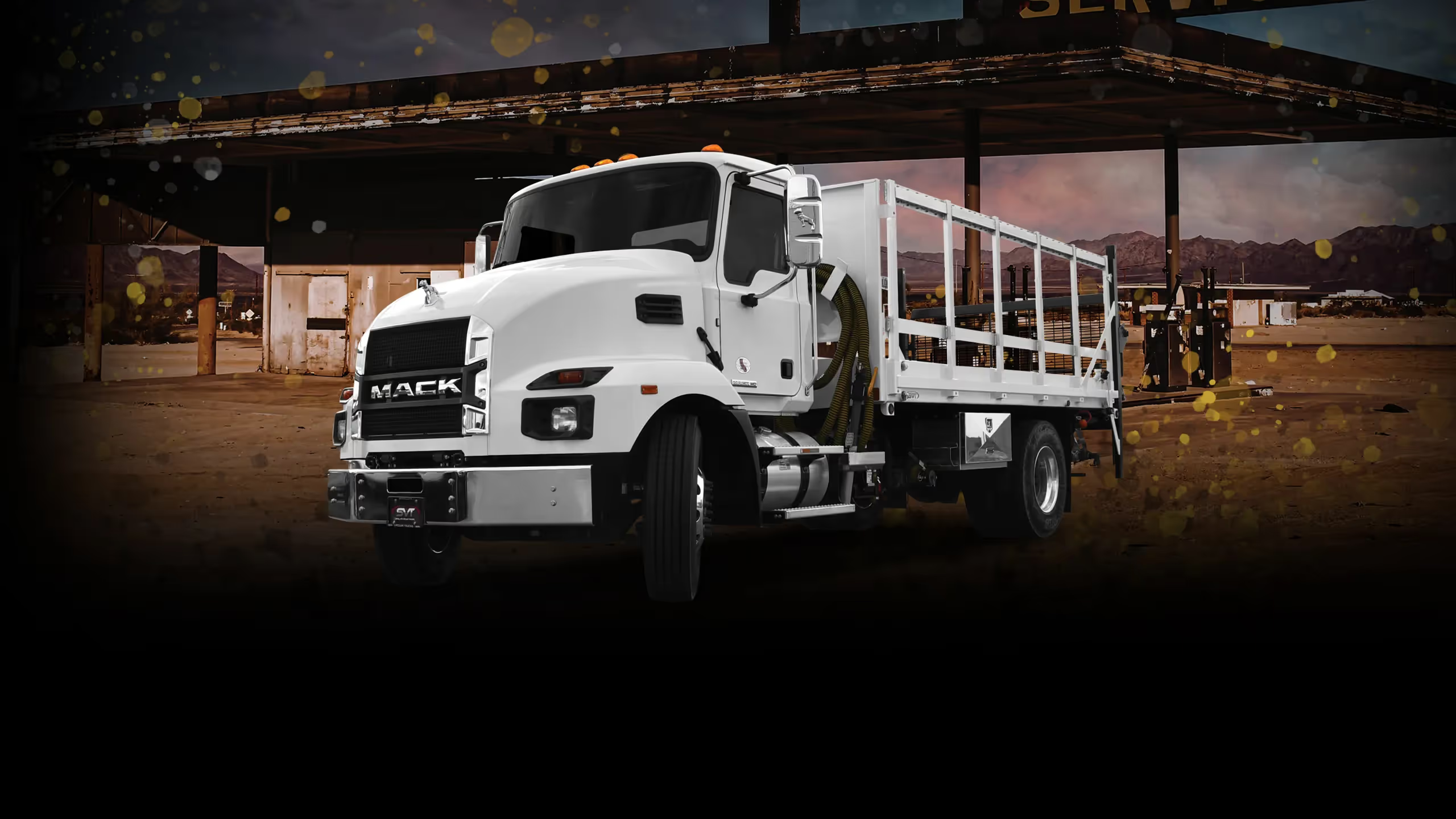
Vacuum trucks support industries that need to collect, transport, and properly dispose of liquid waste or other compatible materials.
The basic vacuum collection process remains similar across applications, but equipment requirements change depending on the material being handled and the conditions at the jobsite.
Portable Sanitation
Portable restroom operators use vacuum service trucks to remove waste from portable toilets, restroom trailers, and holding tanks.
Many service trucks also carry fresh water and equipment needed for routine restroom maintenance.
For these operators, efficient hose handling and balanced waste and fresh-water capacity can make a significant difference in daily route productivity.
Septic Services
Septic contractors use vacuum trucks to remove accumulated waste from residential and commercial septic systems.
Because contractors may service multiple locations each day, reliable suction performance, adequate tank capacity, and convenient equipment access are important.
Municipal Sewer Maintenance
Municipal crews use vacuum equipment to remove wastewater, sediment, and debris from sewer infrastructure, catch basins, and drainage systems.
Specialized combination trucks can also use high-pressure water jetting to loosen obstructions before collecting the material.
Oil and Gas Operations
Certain vacuum trucks are used in oil and gas operations for compatible liquid waste collection, equipment cleaning, and material recovery.
These applications require careful consideration of waste characteristics and equipment suitability.
Standard vacuum trucks should not be assumed appropriate for hazardous or flammable materials.
Construction
Construction contractors use vacuum equipment for water removal, slurry collection, and approved site-cleanup activities.
Hydro excavation trucks serve a more specialized purpose by combining pressurized water excavation with vacuum recovery.
Industrial Cleaning
Industrial facilities may use vacuum trucks to collect wastewater, remove sludge, and clean approved tanks or processing areas.
The appropriate truck depends on the material's physical and chemical characteristics, along with the site's operating requirements.
Disaster Response
Vacuum trucks can support recovery operations following flooding, wastewater system failures, and other events involving accumulated liquids.
Their ability to collect and transport compatible materials makes them useful in certain cleanup and infrastructure recovery operations.
For a closer look at demanding applications and specialized equipment requirements, explore our guide to industrial vacuum truck design.
Vacuum Truck Specifications That Matter
Once you've identified the type of vacuum truck your operation requires, the next step is evaluating its specifications.
Two trucks with similar tank capacities may perform differently because of their pump systems, chassis configurations, hose arrangements, and available payload.
At Satellite Industries, we recommend evaluating equipment based on the work it needs to perform rather than comparing individual specifications in isolation.
Key Vacuum Truck Specifications
Tank Capacity and Route Requirements
Tank capacity is one of the most important considerations when selecting a vacuum truck.
However, the largest available tank is not necessarily the most practical choice.
The appropriate capacity depends on the volume collected per stop, the number of stops on a route, disposal-site distance, and the available payload of the chassis.
For portable restroom service trucks, operators must also evaluate the balance between waste storage and fresh-water capacity.
A larger waste compartment may allow more collection before unloading, while additional fresh water may support more service stops before refilling.
Selecting the right configuration requires understanding how these demands interact throughout a typical workday.
Pump Performance and CFM
CFM measures airflow capacity and is commonly used to compare vacuum pump specifications.
Although airflow is important, actual collection performance depends on more than a single rating.
Long hose runs, greater suction lift, air leakage, and thicker materials can all affect loading speed.
Operators should consider the conditions they encounter most frequently and ask how a vacuum system performs under comparable circumstances.
A pump that performs well in one application may not be the most suitable option for another.
Tank Material and Durability
Tank material influences equipment weight, corrosion resistance, and maintenance requirements.
Carbon steel, stainless steel, and aluminum each offer different characteristics.
The appropriate choice depends on the waste stream, cleaning practices, environmental exposure, and equipment design.
Operators should verify material compatibility before collecting unfamiliar waste and consider how the tank will perform under regular operating conditions.
Chassis, GVWR, and Payload
Gross Vehicle Weight Rating (GVWR) is the maximum loaded vehicle weight specified by the manufacturer.
Available payload must account for the weight of the chassis, vacuum equipment, fuel, water, tools, passengers, and collected material.
Because liquids are heavy, the physical capacity of a tank may exceed the amount that can legally be transported under certain conditions.
Operators must also consider axle weight ratings and applicable transportation regulations.
Understanding these limitations is essential when comparing truck configurations.
Hose Configuration and Operator Efficiency
Hose diameter, hose length, and reel placement influence how efficiently operators can complete collection tasks.
A properly configured hose system should provide sufficient reach while minimizing unnecessary handling and setup time.
For routes involving frequent stops, convenient hose storage and accessible controls can improve workflow.
Satellite Industries offers vacuum truck accessories to support equipment and servicing needs.
Vacuum System Protection
Primary shutoffs, secondary shutoffs, and moisture traps help protect vacuum equipment against liquid carryover.
These safeguards are particularly important when operators are handling variable waste volumes or completing frequent loading cycles.
Routine inspections and maintenance help ensure these protective systems function as intended.
For additional information about equipment considerations in demanding applications, read our guide to industrial vacuum truck design.
Full Vacuum Truck Versus Slide-In Unit
For operators expanding their fleets, an important decision is whether to purchase a dedicated vacuum truck or install a slide-in vacuum system on an existing suitable chassis.
Both options can provide effective vacuum collection capabilities, but they serve different operational needs.
Full Vacuum Truck vs. Slide-In Unit
When a Full Vacuum Truck Makes Sense
A dedicated vacuum truck is generally well suited for operations with consistent daily demand, established service routes, and substantial collection requirements.
Purpose-built configurations allow operators to select tank capacity, pump performance, chassis specifications, and accessories around their service needs.
For growing septic and portable sanitation fleets, dedicated equipment can also simplify scheduling and long-term fleet planning.
When a Slide-In Unit Makes Sense
A slide-in vacuum unit may be a practical option for businesses that already own a suitable chassis or need additional collection capacity during seasonal demand.
It can also provide a way to introduce a new service offering without immediately purchasing another dedicated vehicle.
However, the host chassis must have sufficient payload capacity, appropriate mounting provisions, and compatibility with the proposed equipment.
A slide-in is not automatically the less expensive option if significant chassis modifications are necessary.
Satellite Industries offers slide-in units for operators considering flexible vacuum equipment configurations.
The right choice ultimately depends on expected utilization, available equipment, operating requirements, and long-term fleet plans.
Operating a Vacuum Truck Safely
Safe vacuum truck operation requires proper training, routine equipment inspections, and adherence to manufacturer procedures.
Operators should understand tank pressure limitations, vacuum system safeguards, and approved loading and unloading practices.
Confined spaces present serious hazards and require appropriate procedures and trained personnel. Workers must not enter permit-required confined spaces without the required protections.
Pressure relief systems and protective devices must remain functional, and operators should follow approved discharge procedures.
For additional information, review Satellite Industries' guide to vacuum truck safety.
Buying a Vacuum Truck
Purchasing a vacuum truck requires balancing equipment capabilities, expected workload, and long-term operating requirements.
New equipment allows operators to select configurations around their specific needs, while used equipment may offer an alternative depending on fleet priorities and available resources.
Important considerations include chassis condition, tank construction, pump performance, maintenance history, and replacement-part availability.
Equipment costs vary based on chassis selection, tank capacity, vacuum system, accessories, and whether the truck is new or used.
Before making a decision, explore our vacuum truck buying guide and used vacuum truck checklist.
Frequently Asked Questions About Vacuum Trucks
Do you need a CDL to drive a vacuum truck?
Whether a commercial driver's license (CDL) is required depends on the vehicle's weight rating, configuration, and applicable federal and state regulations. Some vacuum trucks require a CDL, while others may not. Operators should verify the vehicle's ratings and licensing requirements with the appropriate transportation authority before operating the truck.
How much does a vacuum truck cost?
The cost of a vacuum truck depends on its chassis, tank capacity, vacuum pump, equipment configuration, and whether it is purchased new or used. Additional features, specialized components, and service accessories also influence the overall investment. Comparing equipment based on operating requirements helps identify the most appropriate configuration.
What is the difference between a vac truck and a hydrovac?
A hydrovac uses pressurized water to loosen soil and then vacuums the resulting slurry into a collection tank. A standard vacuum truck primarily collects existing liquids, sludge, or other compatible materials without performing the excavation process. Hydrovac equipment is commonly used for utility exposure and specialized excavation work.
How big is a vacuum truck tank?
Vacuum truck tanks range from relatively small slide-in capacities of a few hundred gallons to several thousand gallons on larger dedicated trucks. The appropriate size depends on the chassis, gross vehicle weight rating, available payload, and intended application. The tank's physical capacity does not necessarily equal its legal transportable liquid capacity.
What is a vacuum truck used for?
A vacuum truck is used to collect and transport liquids, sludge, slurry, and other compatible waste materials. Common applications include septic tank pumping, portable restroom servicing, municipal sewer maintenance, industrial cleaning, construction-site water removal, and disaster response. Specialized configurations also support hydro excavation and other industrial applications.
Find the Right Vacuum Truck for Your Operation
The right vacuum truck should support the way your business operates, from the materials you collect to the number of stops you make each day. Understanding your route requirements, equipment capabilities, and future growth plans can help you select a configuration that delivers dependable performance.
Satellite Industries builds portable restroom service trucks, septic trucks, and slide-in vacuum units for operators who depend on their equipment every day.
Whether you're expanding an established fleet or investing in your first truck, our team can help you evaluate the options and find a solution that fits your needs.
Explore Satellite Vacuum Trucks or Contact Our Team to discuss your equipment requirements.
Latest from the Satellite Industries Blog
Need Help {Finding the Right Sanitation Solution?}
Satellite Industries is the largest manufacturer of portable restrooms, restroom trailers, restroom trucks, septic trucks, slide-ins, unit haulers, vacuum technology, modular solutions, consumables and deodorizers.