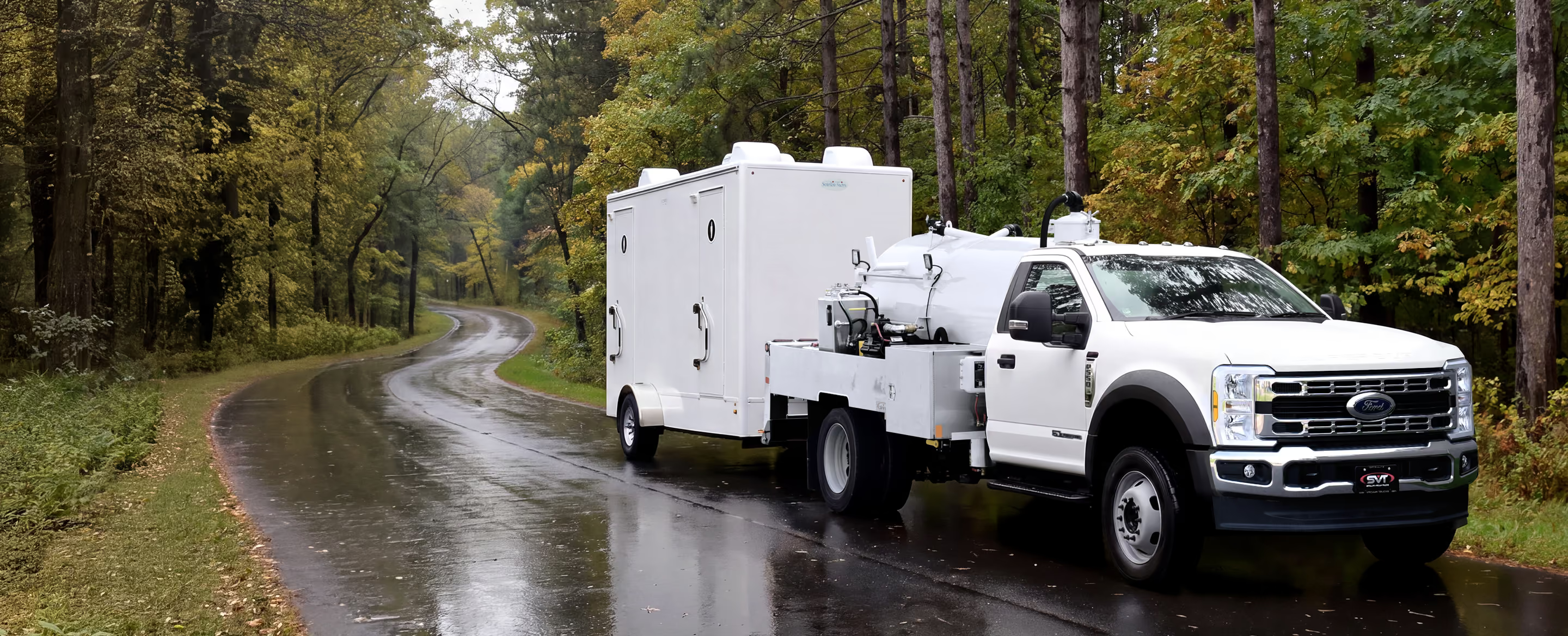
Don't Get Sucked In: How to Choose the Right Vacuum Truck
Why Buying a Vacuum Truck is a Strategic Investment
When you buy vacuum truck equipment for your fleet, you’re making a significant investment that can transform your business operations and profitability. Whether you’re expanding your sanitation services, adding hydro excavation capabilities, or diversifying your rental offerings, understanding the vacuum truck market is essential for making the right choice.
Quick Guide: What to Know Before You Buy
Key Decision Points:
- Truck Type – Liquid vacuum, industrial air mover, combination sewer cleaner, or hydro excavator
- Tank Capacity – Ranges from 1,500 to 5,500+ gallons depending on application
- Price Range – New trucks: $150,000-$500,000 | Used trucks: $50,000-$300,000
- Essential Specs – CFM rating (1,600-6,400), vacuum level (18-27″ Hg), DOT compliance
- Maintenance – Daily checks, scheduled service, quality replacement parts
- ROI Factors – Increased job capacity, reduced downtime, higher rental rates
Market Context: The global vacuum truck market was valued at $2.5 billion in 2022 and is projected to reach $3.7 billion by 2030, with hydro excavation being the fastest-growing segment.
This growth reflects what fleet operators already know: vacuum trucks deliver exceptional versatility across municipal services, industrial cleaning, construction, and septic applications. From handling hazardous liquid waste to performing non-destructive excavation around sensitive utilities, these specialized vehicles enable your customers to tackle jobs that would be impossible or prohibitively expensive with traditional equipment.
The challenge isn’t finding a vacuum truck to buy—it’s finding the right vacuum truck that matches your customers’ specific applications, meets regulatory requirements, fits your budget, and delivers reliable performance for years to come.
I’m Michelle Amelse, Vice President of Marketing and Customer Success at Satellite Industries, where I’ve spent over two decades helping fleet operators like you make informed decisions about vacuum truck equipment. This guide will walk you through everything you need to consider when you buy vacuum truck equipment, from matching truck types to applications through financing options and long-term maintenance strategies.

How to Buy a Vacuum Truck: A Buyer’s Checklist
Starting on the journey to buy vacuum truck equipment requires careful planning. We’ve distilled the process into a clear, actionable checklist to ensure you make the most informed decision for your business and your customers.
Step 1: Match the Truck Type to Your Application
The first and most crucial step is understanding the diverse types of vacuum trucks available and aligning them with the specific needs of your customers and the jobs they perform. Each type is engineered for distinct tasks, offering specialized capabilities that maximize efficiency and safety.

- Liquid Vacuum Trucks
These workhorses are designed for handling a wide array of flowable materials, both hazardous and non-hazardous. They are essential for septic services, industrial waste management, and agricultural operations, efficiently collecting everything from waste oil and refined fuels to coolants and septage. Capacities often range from 4,400 to 5,280 gallons, equipped with robust pumps for rapid material transfer. - Industrial Air Movers (Dry Vacuum Trucks)
When your customers need to tackle large quantities of solids, slurries, or sludges, industrial air movers are the ideal choice. Their high-power airflow is critical for sucking up heavy materials in industrial cleaning, construction site cleanup, and mining. With high CFM (Cubic Feet per Minute) ratings and impressive vacuum levels up to 27″ Hg, they can manage debris bodies of 15 to 18 cubic yards. - Combination Sewer Cleaners
As one of the most versatile pieces of equipment, combination sewer cleaners integrate high-pressure water jetting with powerful vacuuming capabilities. They are indispensable for municipal services, including sewer line cleaning, clearing catch basins, and water treatment plant maintenance. Many advanced systems feature water recycling, allowing them to clean thousands of feet of sewer pipe daily without needing fresh water. - Hydro Excavators
The fastest-growing segment in the vacuum truck market, hydro excavators represent a significant leap in safe and efficient excavation. These trucks combine high-pressure water to loosen soil with a powerful vacuum system to remove the spoil. This non-destructive method is a game-changer for construction and utility work, minimizing damage to critical underground infrastructure. They are perfect for potholing, daylighting, and slot trenching.
Step 2: Evaluate Key Features and Specifications
Once you’ve identified the right type of vacuum truck, it’s time to dive into the technical details. These specifications directly impact performance, compliance, and longevity.
- Tank Size: Capacity is measured in gallons (for liquids) or cubic yards (for debris). This should directly correlate with job size and frequency of dumping.
- Tank Material: Tanks are typically constructed from steel or stainless steel. Stainless steel offers superior corrosion resistance, crucial when dealing with corrosive or hazardous materials, and generally extends the equipment’s lifespan.
- DOT Compliance: For trucks transporting hazardous materials, compliance with Department of Transportation (DOT) or equivalent regional transportation standards is non-negotiable. Look for DOT 407/412 certified tanks, which signify adherence to strict design and construction standards.
- Pump Type: The heart of any vacuum truck is its pump, determining its suction power and suitability for different materials.
- Pump TypeBest ForVacuum Level (“Hg)CFM RangeKey CharacteristicsVane PumpLiquids, light slurriesUp to 28″Moderate (e.g., 400-600)Cost-effective, good for basic liquid transfer.Liquid Ring PumpLiquids, slurries, tolerant to wet conditionsUp to 28″Moderate (e.g., 400-800)Handles liquids and vapors well, less sensitive to water ingestion.PD Blower (Positive Displacement)Solids, slurries, wet/dry materialsUp to 27″High (e.g., 1600-6400+)Excellent for heavy-duty applications, high airflow for moving dense materials quickly.
- Blower CFM (Cubic Feet per Minute): This measures the volume of air the vacuum system can move. Higher CFM means faster material transfer, especially for dry or dense materials, with units ranging from 1,600 to over 6,400 CFM.
- Vacuum Level (“Hg – Inches of Mercury): This indicates the suction strength. A higher “Hg rating (up to 27” Hg) means the pump can lift heavier, denser materials or pull from greater depths.
- Chassis Engine & Transmission: The truck’s foundation is paramount. Consider the engine’s horsepower, fuel efficiency, and maintenance requirements. Transmission types vary from manual to automatic, impacting ease of operation and driver availability.
- GVWR (Gross Vehicle Weight Rating): This is the maximum operating weight of the truck, including its chassis, body, and payload. Ensure the GVWR is appropriate for the materials your customers will transport and complies with local road regulations.
Step 3: How to Buy a Vacuum Truck: New vs. Used
Deciding whether to buy vacuum truck equipment new or used is a pivotal financial decision. Both options offer distinct advantages depending on your budget, immediate needs, and long-term strategy.
- New Truck Benefits:
Investing in a new vacuum truck provides access to the latest technology, full manufacturer warranties, and the ability to customize the unit precisely to your customers’ specifications. New equipment typically offers greater reliability, reducing initial maintenance concerns. - Used Truck Value:
The used market offers cost-effective solutions for businesses looking to acquire essential equipment without the high upfront capital of a new unit. When sourced from reputable dealers, pre-owned equipment can be a reliable, well-maintained asset. - Inspection Checklist for Used Trucks:
When considering a used vacuum truck, a thorough inspection is paramount. We recommend checking the following:- Engine Hours vs. Miles: Engine hours can be a more accurate indicator of wear than mileage, as these trucks often spend significant time idling or operating auxiliary equipment.
- Maintenance Records: Request and carefully review the truck’s maintenance history to understand its condition and anticipate future service needs.
- Pump Condition: Inspect the vacuum pump for signs of wear, corrosion, or previous repairs. A failing pump can be costly to replace.
- Tank Integrity: Check the tank for any signs of corrosion, dents, cracks, or leaks, especially around welds and seams.
- Chassis and Drivetrain: Examine the frame for cracks or rust. Inspect tires, brakes, suspension, and the transmission for any red flags.
- Vacuum Components: Don’t forget to inspect the boom, hoses, filtration system, and all auxiliary vacuum components for wear and functionality.

By carefully evaluating these points, you can assess the condition and true value of a used vacuum truck, ensuring it remains a reliable asset for your fleet.
Step 4: Financing When You Buy a Vacuum Truck
Once you’ve zeroed in on the ideal vacuum truck, the next step is securing the right financing. Understanding typical price ranges and available options will help you manage your budget effectively.
- New Truck Price Range: New vacuum truck prices can range from $150,000 to over $500,000, depending on the type, capacity, and specialized features. A highly customized hydro excavator will naturally command a higher price than a standard liquid vacuum truck.
- Used Truck Price Range: Used vacuum trucks typically fall within the $50,000-$300,000 range. However, this is highly dependent on the truck’s age, condition, and specifications.
- Direct Loans: Traditional bank loans or equipment financing companies offer direct loans for capital equipment purchases. These typically involve a down payment and regular fixed payments over a set term.
- Equipment Leasing: Leasing can be an attractive alternative to purchasing, especially if you prefer lower monthly payments, want to preserve capital, or anticipate upgrading equipment regularly. Lease agreements can offer flexibility at the end of the term.
- Cooperative Purchasing: For businesses serving municipal or government entities, cooperative purchasing programs can streamline the procurement process and often provide pre-negotiated pricing. These programs leverage the collective buying power of multiple organizations. To see if this option aligns with your business model, you can search for national or regional cooperative purchasing networks that serve your industry. Many equipment dealers also offer in-house financing options to simplify the buying process.
Maximizing Your Vacuum Truck’s ROI
Acquiring a vacuum truck is more than just buying a piece of machinery; it’s an investment in your business’s future. By understanding how these trucks contribute to efficiency and profitability, and by committing to proper maintenance, you ensure a strong return on that investment.
The Business Case: Boosting Your Customers’ Efficiency
A well-chosen vacuum truck can be a game-changer for your customers, directly translating into increased revenue and stronger client relationships for you.
- Increased Job Capacity: The right equipment enables your customers to complete jobs faster and take on larger, more complex projects, from rapid septic tank pump-outs to comprehensive industrial facility cleanups.
- Reduced Downtime: Reliable, high-quality vacuum trucks minimize breakdowns and service interruptions. This consistency allows your customers to maintain schedules and avoid costly delays, which in turn reflects positively on your equipment’s rental value.
- Hydro Excavation Advantages: The rise of hydro excavation is a prime example of how specialized vacuum trucks boost efficiency and safety.
- Non-destructive digging: Unlike mechanical digging, hydro excavation uses pressurized water and vacuum suction. This minimizes damage to critical underground utilities, preventing costly repairs and potential safety hazards.
- Precision and Safety: The controlled nature of hydro excavation allows for precise soil removal around sensitive infrastructure, making it ideal for potholing and trenching in congested areas. This reduces accident risks and improves overall job site safety.
- Higher Rental Value: For our customers who distribute and rent equipment, offering advanced, efficient, and reliable vacuum trucks—especially hydro excavators—allows them to command higher rental rates. Businesses are willing to pay a premium for equipment that improves their own efficiency and safety.
By providing your customers with these sophisticated tools, you empower them to perform their work more effectively, safely, and profitably, solidifying your position as a trusted equipment provider.
Long-Term Value: Maintenance and Making the Right Choice
Ensuring the longevity and optimal performance of your vacuum truck fleet is paramount to maximizing its return on investment. A proactive approach to maintenance, coupled with a smart initial purchase, secures your asset for years to come.
- Daily Checks: Encourage your customers to conduct routine daily inspections. This includes checking fluid levels, tire pressure, and hoses for wear or leaks. Catching small issues early can prevent major, costly breakdowns.
- Service Schedule: Adhering to the manufacturer’s recommended service schedule is non-negotiable. Regular oil changes, filter replacements, and pump maintenance are crucial for preserving the truck’s mechanical integrity.
- Quality Parts: When it comes to replacements, always opt for genuine or high-quality aftermarket components to ensure compatibility and maintain the truck’s performance and reliability. Reputable manufacturers and dealers can be a source for these parts.
- Making the Right Choice with Satellite Industries: We understand that when you buy vacuum truck equipment, you’re looking for solutions that stand the test of time. At Satellite Industries, our unique selling proposition is advanced engineering for durability and user-friendliness. We focus on robust designs, often utilizing thicker steel for quality assembly, to ensure our vacuum technology endures the rigors of demanding work environments. Our commitment to user-friendly design, with centralized electronic systems and intuitive interfaces, means your customers can operate our equipment efficiently and safely, minimizing training time and maximizing productivity.
Investing in a vacuum truck from a manufacturer known for its advanced engineering and commitment to durability is a smart decision. It minimizes operational headaches, extends the life of your asset, and ensures your customers always have reliable, high-performing equipment at their disposal.
Ready to improve your fleet with cutting-edge vacuum truck technology? Explore our advanced vacuum truck solutions.
Latest from the Satellite Industries Blog
Need Help {Finding the Right Sanitation Solution?}
Satellite Industries is the largest manufacturer of portable restrooms, restroom trailers, restroom trucks, septic trucks, slide-ins, unit haulers, vacuum technology, modular solutions, consumables and deodorizers.