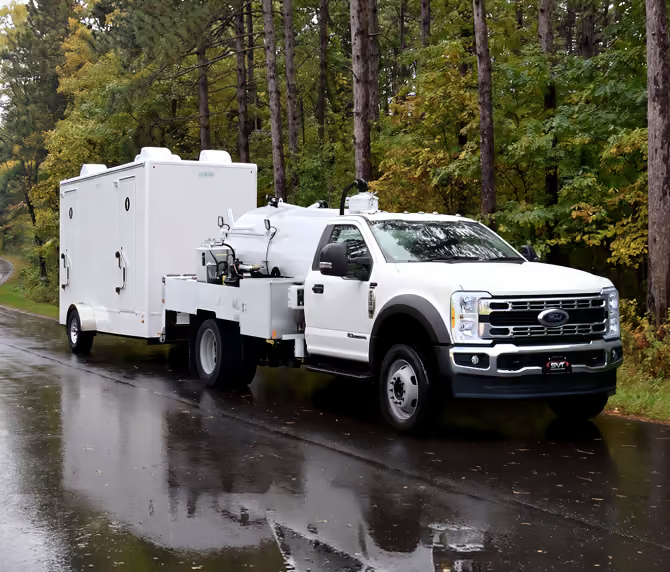
Vacuum Truck Maintenance in Winter: Use Downtime to Get Ready for Next Season
Winter downtime provides an opportunity to focus on vacuum truck maintenance before the next busy season. Rather than waiting for equipment problems to interrupt daily operations, use this time to evaluate your truck's condition, address maintenance concerns, and prepare for upcoming demands. A thorough inspection and a practical maintenance plan can help reduce unexpected downtime when schedules become busy.
Why Winter Downtime Is the Time to Look
During the busy season, keeping trucks on the road often takes priority over addressing minor equipment concerns. A worn hose, leaking seal, or unusual pump noise may not seem urgent until it affects performance or takes a truck out of service.
Winter downtime gives operators and maintenance teams time to identify these issues before they become larger problems.
The process starts with three steps: review equipment condition, prioritize necessary maintenance, and prepare the parts and supplies needed for the next season.
For additional cold-weather preparation, see our guide to winterizing your truck fleet.
Step 1: Review Equipment Condition
Start with a complete inspection of your vacuum truck, working from the front of the vehicle to the rear. Look for visible wear, leaks, damaged components, loose connections, and changes that could affect performance.
Review maintenance records and speak with drivers about problems they experienced during the previous season. Reduced suction, unusual vibration, or difficulty operating certain components can provide valuable clues about developing issues.
Document your findings before beginning repairs. This allows you to evaluate the truck's overall condition and establish maintenance priorities.
Understanding how a vacuum truck works and how its vacuum system operates can help identify potential sources of performance problems.
Vacuum Truck Inspection Checklist
Follow the truck and pump manufacturers' manuals for inspection procedures and service requirements. Certain inspections should be performed by qualified maintenance personnel.
Look Beyond Visible Wear
Not every equipment problem can be identified through a visual inspection.
A pump that takes longer than usual to build vacuum, a hose that repeatedly loses suction, or unfamiliar PTO vibration may indicate an underlying issue.
Compare current performance with previous operating conditions and investigate noticeable changes.
Pay particular attention to the vacuum pump, shutoff components, and connections. These systems play an important role in maintaining proper suction and protecting equipment during operation.
Related videos:
Step 2: Set Vacuum Truck Maintenance Priorities
After completing the inspection, determine which issues require immediate attention and which can be scheduled later.
Organizing maintenance findings by priority helps shop managers allocate resources, plan repairs, and avoid overlooking critical components.
Priority 1: Address Safety and Operational Concerns
Begin with issues that could affect safe operation or prevent the truck from completing its work.
Concerns involving brakes, tires, critical valves, or other essential components should be addressed before the truck returns to service.
Equipment with unresolved safety issues should remain out of operation until the necessary repairs and checks are completed.
Priority 2: Protect the Vacuum Pump and PTO
The vacuum pump and power take-off system are essential to the truck's operation. Problems involving lubrication, leaks, unusual noises, vibration, or reduced vacuum performance should be investigated promptly.
If maintenance records are incomplete or service history is uncertain, give these systems additional attention.
Follow the manufacturers' recommendations for lubrication, inspection, and servicing.
Priority 3: Replace Worn Components
Hoses, seals, gaskets, clamps, and connections experience regular wear.
Even minor damage can contribute to air leaks, reduced suction, and operational inefficiencies. Replacing deteriorating components during scheduled downtime can help prevent interruptions later.
Priority 4: Schedule Remaining Maintenance
Once critical concerns have been addressed, schedule lower-priority work such as cleaning, general upkeep, and nonessential repairs.
Keep these items documented and assign time for completion rather than allowing them to remain unresolved.
For additional guidance, watch Satellite's Routine Maintenance video.
Step 3: Plan What You Need Before the Next Season
Once maintenance priorities are established, focus on having the necessary supplies, equipment, and resources ready before operations increase.
Review what your team used most frequently during the previous season and identify areas where better preparation could help reduce delays.
Check Replacement Parts and Supplies
Start by reviewing inventory levels for commonly replaced components, including hoses, couplings, clamps, seals, and gaskets.
Compare available inventory with the repairs identified during inspections. This helps determine what needs to be ordered before scheduled maintenance begins.
Review the fluids and chemicals required for your equipment, following manufacturer recommendations for compatibility, storage, and application.
Evaluate Equipment and Accessories
Consider whether your current equipment setup supports the work your team expects to handle next season.
Depending on your operational needs, this may include reviewing Satellite products such as FreezeGuard, EZ Flow, and Tankinator.
You can also explore Satellite's vacuum truck accessories when evaluating equipment needs.
Select products based on their intended applications and compatibility with your equipment.
Review Cold-Weather Protection
Freezing temperatures can damage pumps and prevent valves, hoses, and lines from operating properly.
Inspect existing cold-weather protection, including heaters and insulated components where equipped. Follow manufacturer instructions for protecting equipment during freezing conditions.
Related video: Cold Weather Package
Schedule Maintenance and Review Operating Practices
Establish a realistic maintenance schedule for each truck, allowing time for inspections, repairs, and necessary parts.
Coordinate with drivers and maintenance personnel to identify recurring concerns and review proper operating procedures.
This is also a good opportunity to reinforce daily inspection practices and encourage operators to report unusual equipment behavior before it becomes a larger problem.
Keep a Simple Winter Maintenance Log
Documenting maintenance activity helps track equipment condition and identify recurring problems.
Maintain a record for each truck that includes the inspection date, issues discovered, repairs completed, parts used, and any outstanding concerns.
This information gives shop managers a clearer understanding of equipment needs and provides a useful reference for future maintenance planning.
For additional guidance, explore our preventive maintenance guide and product maintenance guide.
Frequently Asked Questions
What maintenance should I do on a vacuum truck in winter?
Begin with a thorough inspection of the chassis, PTO, vacuum pump, tank, valves, and hoses. Address safety concerns and pump-related issues first, then replace worn components and prepare necessary supplies. Always follow the truck and pump manufacturers' maintenance recommendations. Understanding how the truck's systems work together can help identify potential problems.
How do I keep a vacuum truck from freezing?
Inspect hoses, valves, seals, and lines for areas vulnerable to freezing. Check tank heaters and insulated components where equipped, and follow manufacturer-recommended winterization procedures. Products such as FreezeGuard may be included in a cold-weather preparation plan when used according to their instructions. Proper preparation helps reduce the risk of damage from freezing temperatures.
When should I service my vacuum pump?
Follow the pump manufacturer's recommended maintenance schedule. Rotary vane pumps require proper lubrication during operation, making oil condition and supply important inspection points. Unusual noises, leaks, or slower-than-normal vacuum buildup may indicate that the pump needs attention before its next scheduled service.
Prepare Now for a More Productive Season
A few hours spent reviewing equipment during winter can help prevent a lost day when schedules become busy again.
By evaluating equipment condition, addressing maintenance priorities, and preparing supplies in advance, operators can enter the next season better prepared.
Explore Satellite Industries' vacuum trucks to learn more about available equipment solutions.
Latest from the Satellite Industries Blog
Need Help {Finding the Right Sanitation Solution?}
Satellite Industries is the largest manufacturer of portable restrooms, restroom trailers, restroom trucks, septic trucks, slide-ins, unit haulers, vacuum technology, modular solutions, consumables and deodorizers.