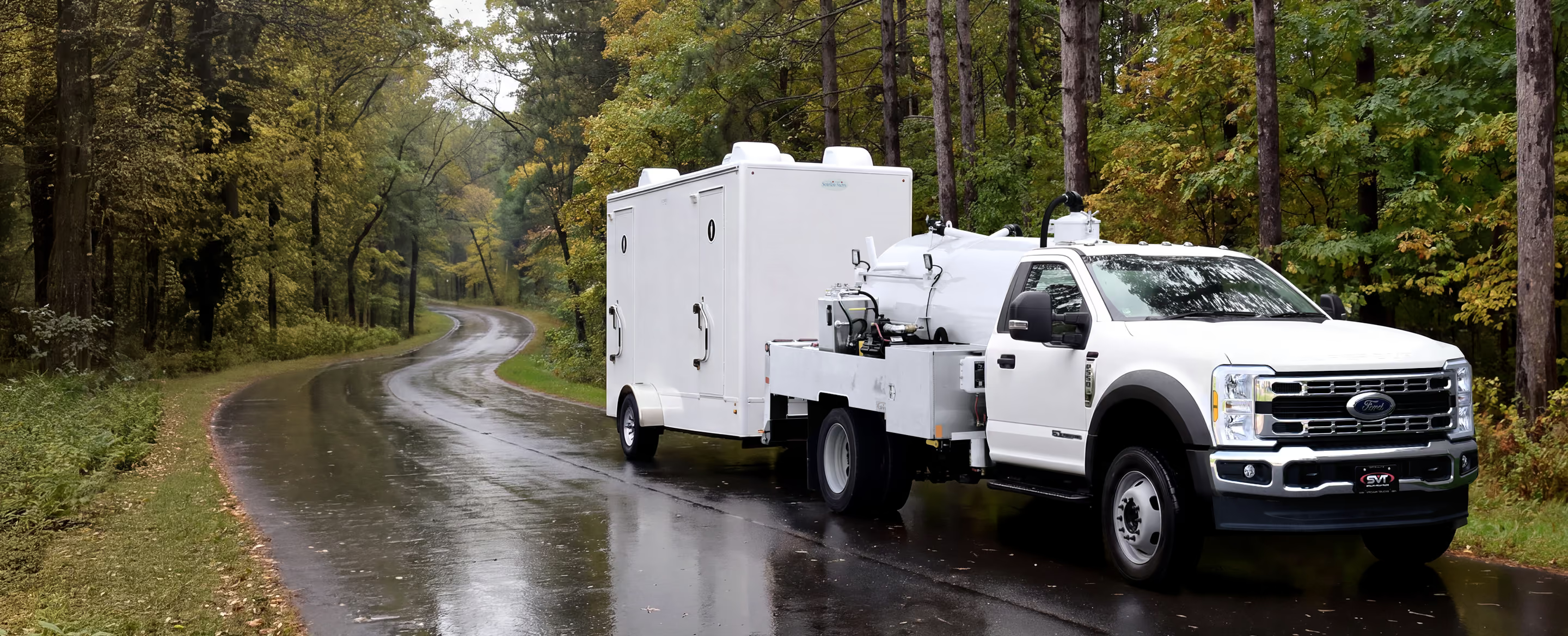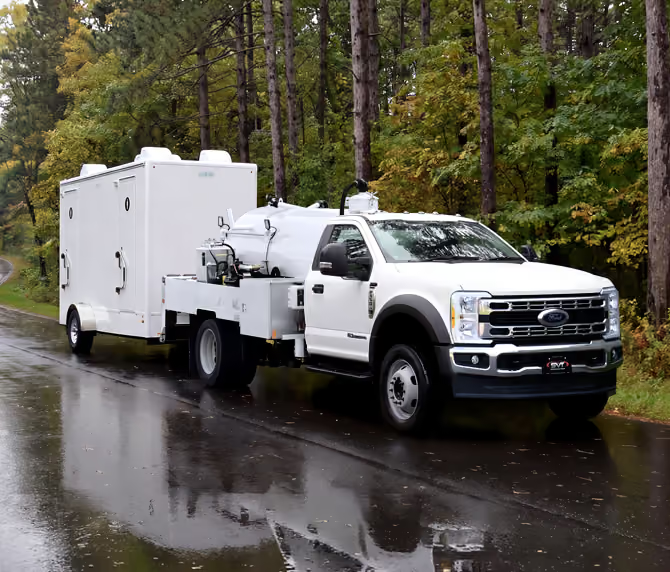
Buying a Sewage Suction Truck? Here's What You Need to Know
Why Sewage Suction Trucks Are Essential for Your Fleet Operations
A sewage suction truck for sale can be a game-changing investment for fleet operators managing portable sanitation services. These specialized vehicles handle everything from septic tank pumping to portable restroom servicing, making them crucial for maintaining sanitary conditions across job sites, events, and residential areas.
Key considerations when shopping for sewage suction trucks:
- Tank capacity – typically ranges from 1,000 to 5,000 gallons
- Pump power – determines suction efficiency and speed
- Chassis type – affects maneuverability and load capacity
- Emission compliance – must meet current environmental standards
- Maintenance history – critical for used truck purchases
- Brand reputation – impacts long-term reliability and parts availability
The right sewage suction truck keeps your fleet running smoothly while meeting strict environmental and safety regulations. Poor equipment choices lead to costly breakdowns, unhappy customers, and potential compliance issues.
Fleet managers need trucks that can handle heavy-duty work cycles without constant repairs. Durability matters when you’re servicing multiple locations daily and dealing with corrosive materials.
I’m Michelle Amelse, Vice President of Marketing and Customer Success at Satellite Industries, with over 26 years of experience helping fleet operators find the right sewage suction truck for sale solutions. My background in the portable sanitation industry gives me deep insight into what makes these trucks successful long-term investments.

Types of Sewage Suction Trucks
When you’re shopping for a sewage suction truck for sale, understanding the different types available makes all the difference in finding the right fit for your fleet. Each type serves specific purposes, and choosing wisely can boost your efficiency and keep your customers happy.
Vacuum tank trucks are the reliable workhorses you’ll see everywhere in the portable sanitation business. These trucks pack powerful vacuum pumps that create the suction needed to draw waste materials into sealed tanks. They’re your go-to choice for regular portable restroom servicing and septic tank pumping jobs. What makes them so popular? They handle both liquid and semi-solid waste materials without breaking a sweat.
For fleet operators who need maximum versatility, combination sewer trucks are hard to beat. These clever machines combine high-pressure water jetting with vacuum suction in one package. They can blast away blockages with pressurized water while simultaneously sucking up all the debris through their vacuum system. Municipal sewer maintenance and commercial drain cleaning operations love these trucks because they tackle two jobs at once.
Hydro excavation trucks might seem specialized, but they’re incredibly useful for precision work. They use pressurized water to break up soil and vacuum systems to remove the resulting slurry. While they’re mainly used for utility location and trenching, these trucks also handle specialized waste removal tasks where you need surgical precision rather than brute force.
Portable toilet service trucks are the specialists of the bunch, designed specifically for servicing portable restrooms. These trucks typically feature smaller tanks ranging from 800 to 1,500 gallons, but don’t let the size fool you. They include specialized equipment like fresh water tanks for cleaning and chemical dispensing systems that make restroom servicing much more efficient. Their compact design is a huge advantage when you’re maneuvering through tight construction sites or crowded event venues.

Key Features to Consider
Shopping for a sewage suction truck for sale can feel overwhelming with all the technical specifications to consider. But don’t worry – focusing on these key features will help you make a smart investment that keeps your fleet running smoothly for years to come.
Tank capacity is probably the first thing you’ll notice when browsing trucks. It’s tempting to think bigger is always better, but that’s not necessarily true. A 5,000-gallon tank means fewer trips to the dump site, which sounds great until you realize you’re burning more fuel hauling all that extra weight around town.
Smaller tanks in the 1,000 to 2,000-gallon range are nimble and fuel-efficient, perfect if you’re servicing dense urban routes with lots of stops. Larger tanks work best when you’re covering rural areas or handling big septic jobs where the extra capacity really pays off.
Pump capacity directly affects your bottom line because it determines how fast you can complete each service call. A high-performance pump that moves material quickly means your crews can hit more stops per day. Look for pumps that won’t choke on solids – because let’s face it, portable restrooms don’t always contain just liquids.
Variable speed controls are worth their weight in gold. They let your operators dial in the perfect suction for different materials, preventing damage to delicate septic systems while still powering through tougher jobs.
The chassis model might seem like a boring technical detail, but it affects everything from how much weight you can legally carry to how often you’ll be visiting the repair shop. Medium-duty chassis work beautifully for lighter loads and tight city streets. Heavy-duty chassis are your friends when you’re maxing out payload capacity or bouncing around construction sites.
Engine power needs to match your real-world operating conditions. An underpowered engine will have your drivers frustrated as they struggle up hills with full tanks. But don’t go overboard – an oversized engine just burns extra fuel without providing real benefits.
Safety features aren’t just nice-to-haves anymore. Backup alarms, warning lights, and emergency shutoffs are standard equipment that protect your crew and keep you compliant with regulations. Modern additions like rear-view cameras and stability control systems are becoming increasingly valuable as insurance companies and safety regulations get stricter.
Sewage Suction Truck for Sale: What to Look For
Finding the right sewage suction truck for sale can feel overwhelming with so many options available. But focusing on a few key quality indicators will help you spot the difference between a reliable workhorse and a future headache.
Tank material is where many buyers make costly mistakes. Stainless steel tanks handle the harsh chemicals and corrosive materials in sewage without breaking down over time. Yes, they cost more upfront, but you’ll save thousands in repairs and replacements down the road. Carbon steel tanks might look like a bargain initially, but they rust and deteriorate faster than you’d expect.
Aluminum tanks offer a nice middle ground – they resist corrosion well without the premium price of stainless steel. For lighter-duty operations, polyethylene tanks work fine, though your capacity options are more limited.
Load-carrying capacity directly impacts how much money you can make per trip. Here’s where the math really matters. Take your chassis gross vehicle weight rating (GVWR) and subtract the truck’s empty weight, tank weight, and equipment weight. What’s left is your payload capacity for actual waste material.
Don’t get tempted to push these limits. Overloaded trucks wear out faster, handle poorly, and can land you in serious legal trouble. Nobody wants to explain to a DOT inspector why their truck is 2,000 pounds overweight.
Emission standards compliance isn’t optional anymore. Newer trucks meet current EPA standards, which means you can operate anywhere without restrictions. Older trucks might seem like bargains, but they could be banned from certain areas or require expensive retrofitting to stay legal.
Brand reputation affects everything from parts availability to resale value. When your truck breaks down at 6 AM on a Monday, you want to know you can get parts quickly and find qualified service technicians. Established manufacturers typically offer better long-term support, though you’ll pay more initially.
At Satellite Industries, we’ve built our reputation on advanced engineering that prioritizes both durability and user-friendliness. We understand that your sewage suction truck for sale investment needs to perform reliably day after day while keeping maintenance headaches to a minimum.

Maintenance and Safety Tips
Your sewage suction truck for sale investment deserves proper care to deliver years of reliable service. Smart maintenance practices prevent those dreaded 3 AM emergency calls and keep your fleet earning revenue instead of sitting in repair shops.
Cleaning your trucks thoroughly after each shift isn’t just about appearance – it’s about protecting your investment. Those corrosive materials will eat through metal faster than you’d expect if left sitting overnight. Rinse tanks, hoses, and pumps completely, then use appropriate cleaning chemicals that neutralize acids and break down organic buildup. Don’t skip the external surfaces where splashing occurs, because that’s where rust loves to start.
Inspection routines are your early warning system against expensive surprises. Your daily walk-around should cover fluid levels, tire condition, lights, and safety equipment – basically everything that could strand you on a route. Weekly inspections dig deeper into pump operation, hose condition, and tank integrity. Monthly checks focus on engine performance, hydraulic systems, and structural components that don’t fail overnight but give warning signs.
Tire management becomes critical when you’re hauling heavy, shifting loads day after day. Check tire pressure every morning because underinflated tires generate heat and fail catastrophically. Watch for uneven wear patterns that scream “alignment problem” before they destroy a full set of expensive tires. Regular rotation and timely replacement prevent dangerous blowouts that put your drivers at risk.
Safety equipment testing can’t wait until something goes wrong. Test backup alarms, warning lights, and emergency shutoffs weekly – your drivers’ safety depends on these systems working perfectly. Ventilation systems need regular attention to prevent dangerous gas accumulation that could harm workers. When safety equipment shows any defects, replace it immediately rather than gambling with lives.

Frequently Asked Questions about Sewage Suction Trucks
Fleet operators often have similar questions when they’re shopping for a sewage suction truck for sale. Here are the answers to the most common concerns we hear from our customers.
How often should sewage trucks be serviced?
Your sewage truck works harder than most commercial vehicles, so it needs more frequent attention. The constant stop-and-go operations combined with heavy loads put extra stress on engines and mechanical systems.
Oil changes should happen every 3,000 to 5,000 miles rather than following standard commercial vehicle intervals. The demanding nature of waste collection operations means your engine oil breaks down faster and accumulates more contaminants.
Pump systems need service every 500 to 1,000 operating hours depending on the materials they handle. Corrosive waste can accelerate wear on seals, impellers, and other pump components. Regular pump maintenance prevents expensive failures that leave you stranded on route.
Your maintenance schedule should start with manufacturer recommendations but adjust based on real-world conditions. Trucks operating in dusty environments, extreme temperatures, or handling particularly corrosive materials need more frequent service intervals.
Keep detailed maintenance records for every truck in your fleet. These records help you spot patterns, optimize service timing, and prove compliance during inspections. Good records also improve resale value when you’re ready to upgrade.
Can older trucks be converted to sewage trucks?
Converting an existing truck chassis to sewage service sounds appealing, especially when you find a good deal on a used truck. However, the reality is more complicated than it first appears.
Conversion feasibility depends heavily on the chassis specifications. Your truck needs adequate payload capacity to handle a full waste tank plus equipment weight. Most sewage applications require chassis with gross vehicle weight ratings of 26,000 pounds or higher.
The chassis also needs proper weight distribution and suitable mounting points for tank and pump systems. Older trucks may lack the hydraulic systems, electrical capacity, or structural reinforcement needed for waste handling equipment.
Cost considerations often make conversion less attractive than purchasing purpose-built equipment. You’ll need custom tank fabrication, pump installation, hydraulic systems, safety equipment, and regulatory compliance modifications. These costs add up quickly.
Factor in potential reliability issues with converted equipment. Purpose-built sewage trucks undergo extensive testing and engineering optimization. Conversions may have unexpected problems that cost time and money to resolve.
What qualifications are needed to drive a sewage truck?
Driver qualification requirements vary based on truck size and local regulations, but most sewage trucks require specialized licensing and training.
Commercial driver’s license requirements kick in when your truck’s gross vehicle weight rating exceeds 26,000 pounds. Most sewage trucks fall into this category, so plan on CDL requirements for your drivers. Some jurisdictions also require hazmat endorsements for waste hauling operations.
Safety training goes beyond basic driving skills. Your drivers need to understand proper loading procedures, equipment operation, emergency response protocols, and regulatory compliance requirements. They’re working with potentially hazardous materials in confined spaces.
Training should cover confined space hazards, chemical exposure risks, and proper use of personal protective equipment. Drivers also need to understand weight distribution, stability concerns, and safe operating procedures for vacuum and pump systems.
Regular refresher training keeps safety knowledge current and reduces accident risks. Well-trained drivers protect your equipment, reduce insurance costs, and maintain the professional image that keeps customers happy.
At Satellite Industries, we understand that finding qualified drivers is challenging. That’s why our advanced engineering focuses on user-friendly designs that make training easier while maintaining the durability your fleet operations demand.
Conclusion
Choosing the right sewage suction truck for sale isn’t just about finding the lowest price tag. It’s about making a smart investment that keeps your fleet running smoothly and your customers happy for years to come.
We’ve walked through the essential factors together – from tank capacity and pump power to maintenance schedules and safety requirements. Each decision you make impacts your daily operations and bottom line. The truck that seems like a bargain today might cost you thousands in repairs and lost revenue tomorrow.
At Satellite Industries, our advanced engineering approach focuses on creating equipment that actually works in the real world. We’ve been in this industry long enough to know that durability and user-friendliness aren’t just nice features – they’re absolute necessities when you’re dealing with demanding work cycles and corrosive materials.
Our global presence across Africa, the Americas, Australia, New Zealand, East Asia, South Asia, Europe, and the Middle East gives us deep insight into different operating conditions and market requirements. We manufacture complete solutions including portable restrooms, trailers, trucks, and vacuum technology because we understand how all these components need to work together seamlessly.
Whether you’re expanding your current fleet or launching new operations, your customers depend on reliable service. Reliable service starts with reliable equipment. The sewage suction truck for sale you choose today becomes the foundation of your customer relationships and business reputation.
Think beyond the initial purchase price and consider total cost of ownership. Factor in maintenance costs, fuel efficiency, driver training requirements, and manufacturer support. The trucks that deliver the best long-term value rarely carry the cheapest price tags, but they pay for themselves through consistent performance and satisfied customers who keep coming back.
Your investment in quality equipment today determines your success tomorrow. Choose wisely, and your fleet will reward you with years of dependable service.
Latest from the Satellite Industries Blog
Need Help {Finding the Right Sanitation Solution?}
Satellite Industries is the largest manufacturer of portable restrooms, restroom trailers, restroom trucks, septic trucks, slide-ins, unit haulers, vacuum technology, modular solutions, consumables and deodorizers.