
Inside Satellite’s New Manufacturing Facility. What Makes a Reliable Vacuum Truck?
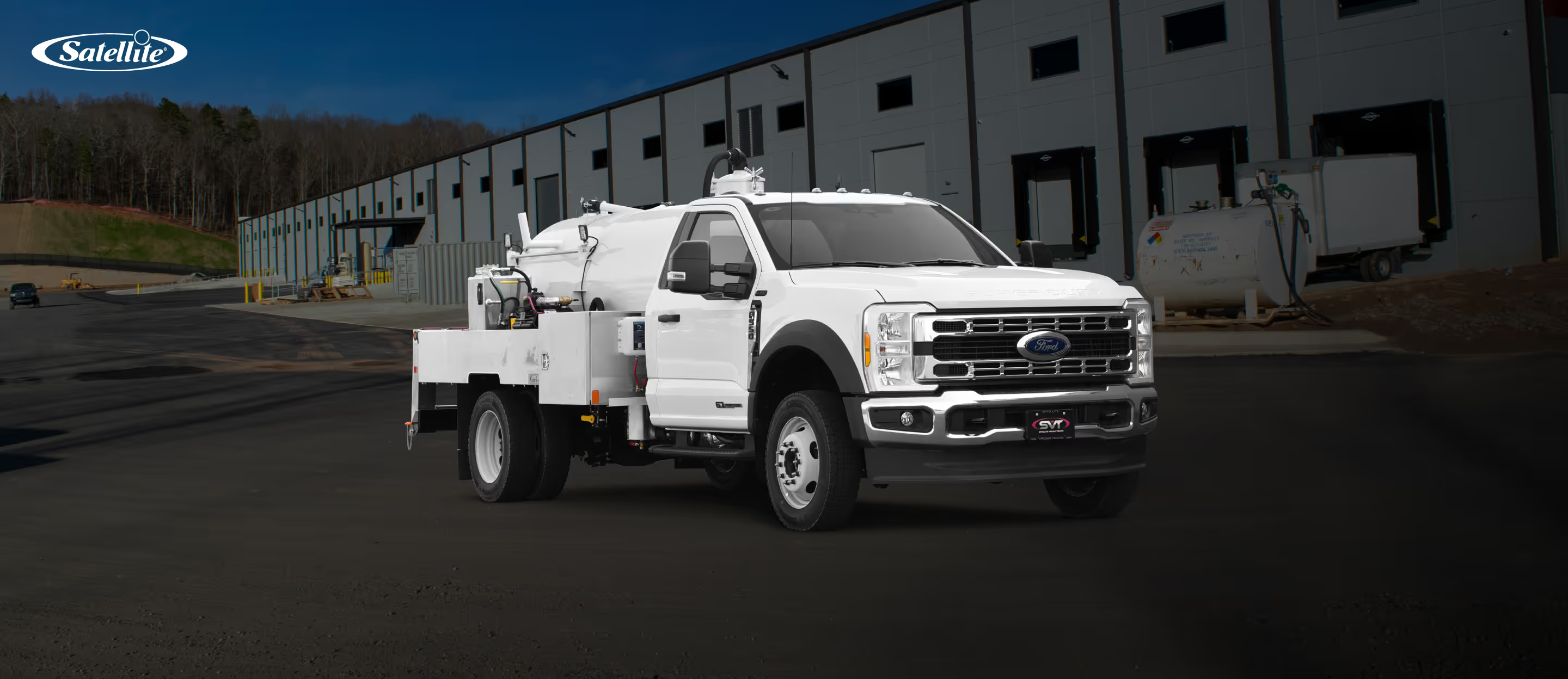
When operators search for a portable sanitation vacuum truck, they’re not just looking for specs, they’re looking for reliability, durability, and long-term performance. Whether you call it a vacuum truck, portable restroom service truck, or sanitation service truck, the goal is the same: keep routes running efficiently with minimal downtime.
That’s exactly why Satellite Industries has invested in anew, state-of-the-art manufacturing and upfitting facility, designed to improve how vacuum trucks are built from the ground up.
This guide breaks down what operators need to know: what these trucks are, how they differ from other service trucks, and how modern manufacturing, including robotics and quality systems, directly impacts performance in the field.
What Is a Portable Sanitation Vacuum Truck?
A portable sanitation vacuum truck is a specialized service vehicle designed to remove and transport waste from portable toilets and temporary sanitation systems.
These trucks are essential for:
- Servicing portable restrooms on routes
- Pumping and removing waste efficiently
- Refilling fresh water and sanitation solution
- Cleaning and maintaining units in the field
Core components include vacuum systems, waste and water tanks, hose assemblies, and onboard storage—many of which are documented in Satellite’s Parts Catalog for operators who want deeper visibility into long-term serviceability.
Unlike general-purpose trucks, these are engineered specifically for portable sanitation route efficiency, making build quality critical to long-term reliability.
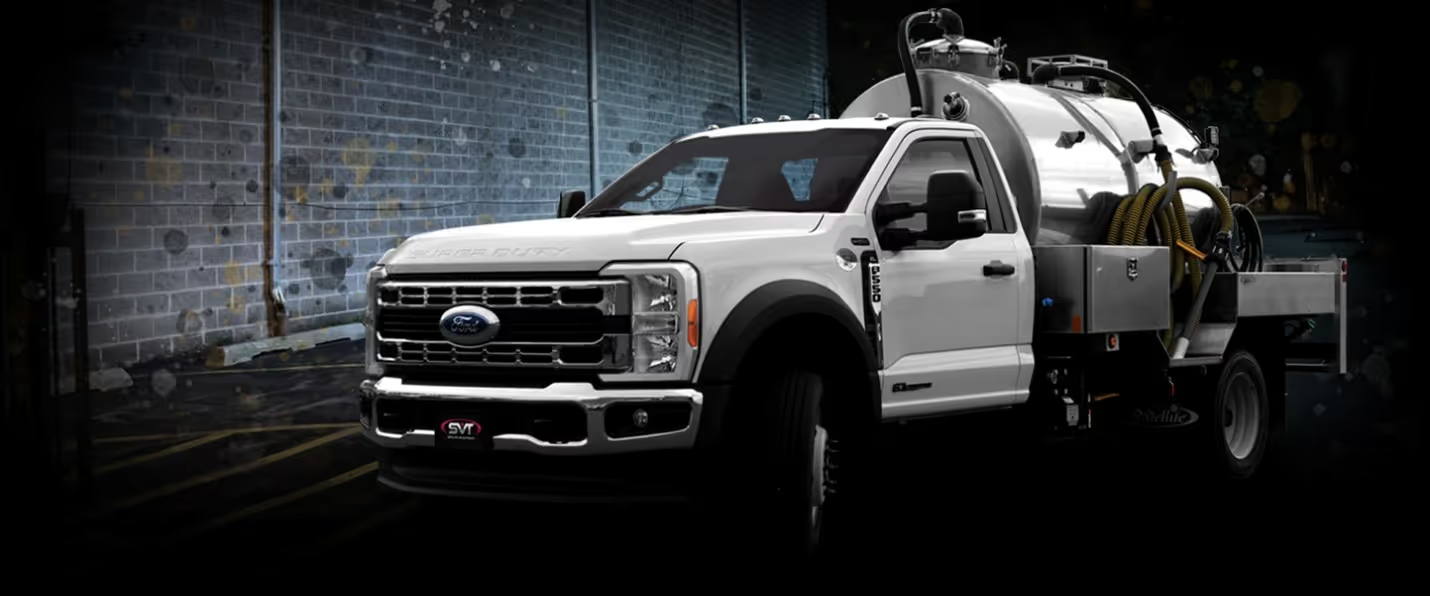
Portable Sanitation Vacuum Trucks vs. Other Service Trucks
Not all sanitation trucks are built the same and understanding the difference matters when evaluating equipment – especially when comparing portable sanitation vacuum trucks like those built by Satellite Industries.
Portable sanitation vacuum trucks are designed for:
- Fast, repeatable service routes
- Tight job site maneuverability
- Integrated cleaning and rinse systems
Compare that to:
- Septic trucks, which focus on larger volume, slower residential pumping
- Municipal sewer trucks, designed for infrastructure and high-capacity cleaning
For operators, this means one thing: design must prioritize efficiency, not just capacity.
Engineering Features That Impact Real-World Performance
Reliable trucks start with thoughtful engineering. At Satellite, design is driven by how trucks are actually used in the field.
Key features include:
- Stainless steel hose trays and cabinets for corrosion resistance and longevity
- Application-specific configurations tailored to route type and customer needs
- Operator-focused layouts that improve workflow and reduce fatigue
These aren’t cosmetic upgrades, they directly influence uptime, maintenance costs, and crew efficiency.
Why Manufacturing Matters More Than Most Operators Realize
Even the best design can fall short without a manufacturing environment built to support it. Across the industry, differences in equipment, facility layout, and production processes often have just as much impact on truck quality as workmanship itself. As demand for portable sanitation services grows, operators are expecting higher-quality trucks delivered on tight timelines – putting more pressure than ever on how those trucks are built.
Traditional vacuum truck manufacturing involves multiple stages – from fabricating tanks and frames, to integrating pumps, plumbing, hydraulic, electrical systems, and service equipment, followed by final inspection and testing. When those steps rely heavily on manual fabrication, variability from one unit to the next becomes hard to control.
Modern manufacturing reduces this risk by enabling more precise and repeatable builds.
What “State-of-the-Art" Manufacturing Really Means for Vacuum Trucks
"State-of-the-art" manufacturing is widely understood to mean more than new equipment; it reflects how automation, smart systems, and real-time process control are used together to improve quality, consistency, and efficiency throughout production. Industry analysis from Power Progress describes these environments as one designed for repeatability and continuous improvement, not just speed.
This industry perspective was used to guide the design of Satellite’s state-of-the-art manufacturing and upfitting facility, where integrated fabrication, robotics, and quality gates work together to support reliable builds for operators everywhere.
Inside Satellite’s New Manufacturing Facility
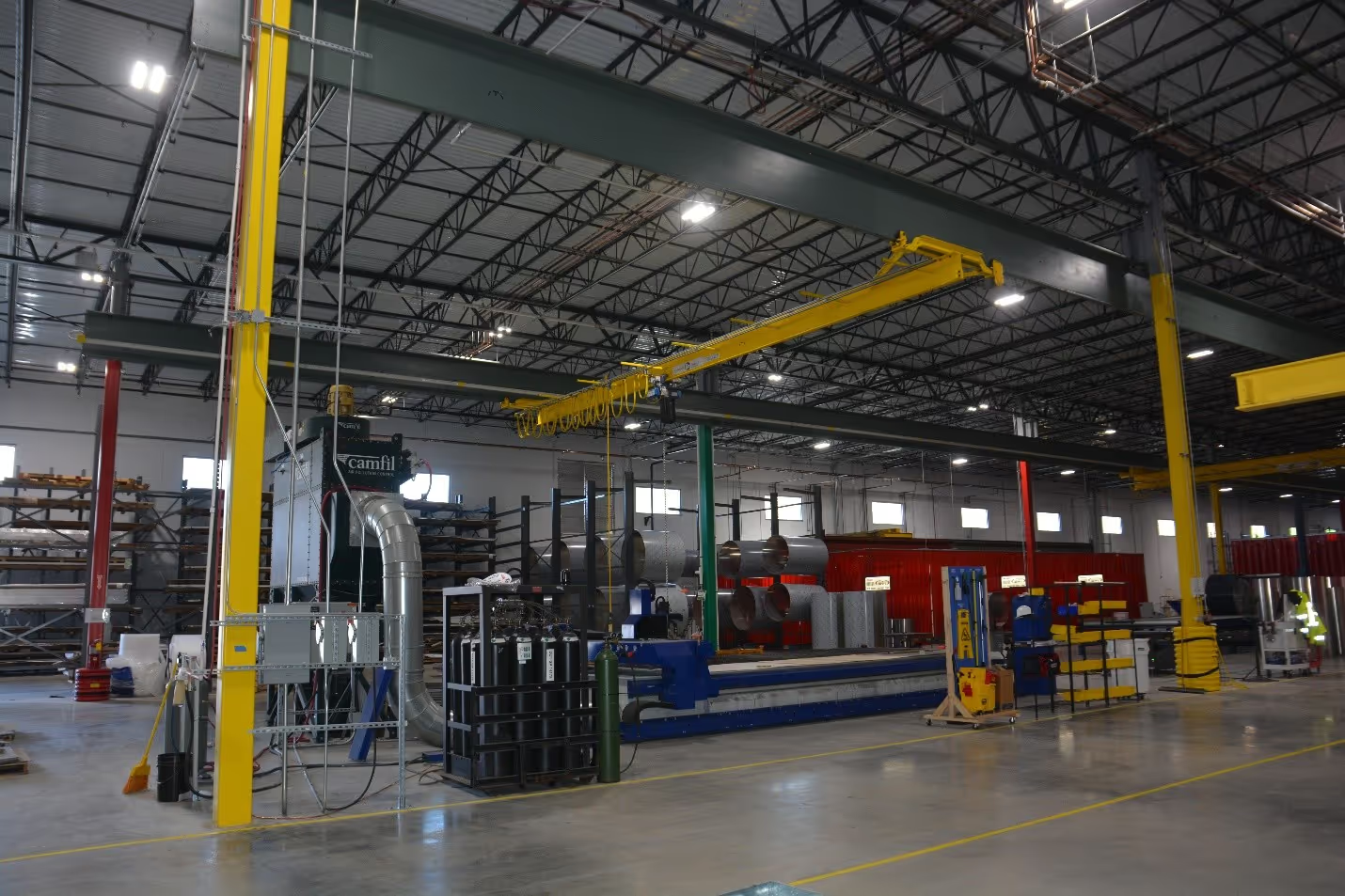
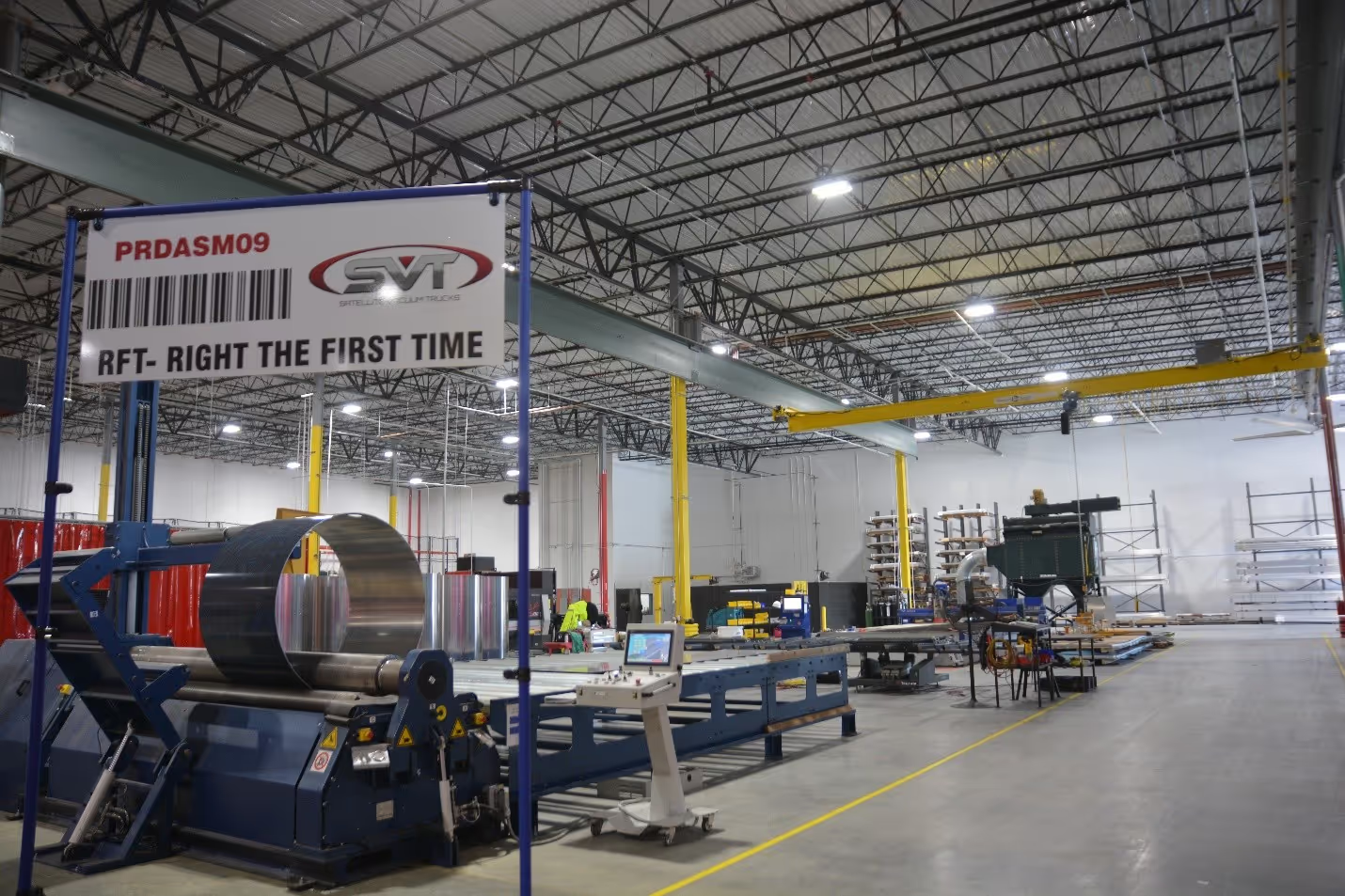
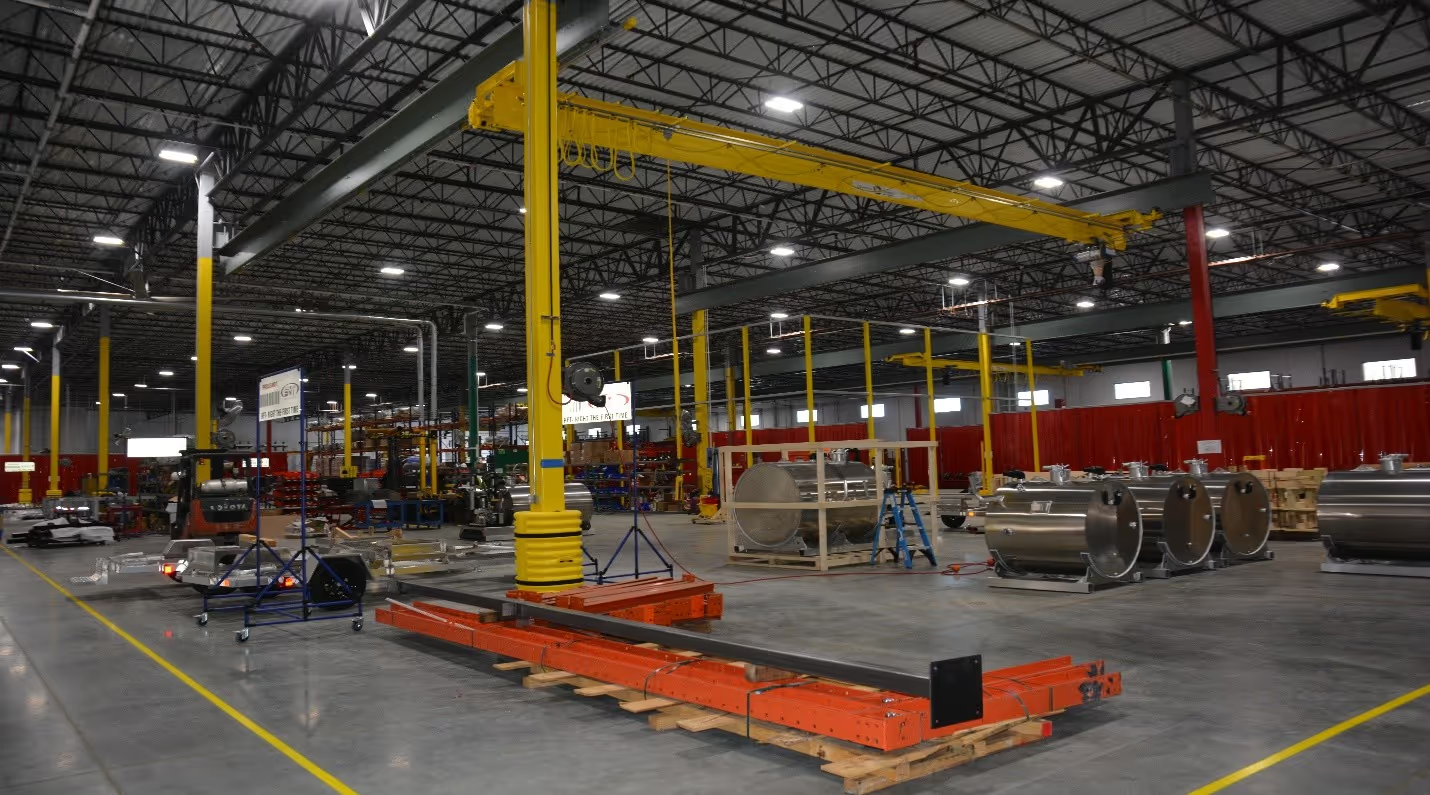
Satellite’s new facility and upfitting facility was intentionally designed as a vertically integrated operation – bringing fabrication, welding, assembly, and quality control under one roof. By manufacturing more components in-house, Satellite reduces reliance on outside suppliers while improving consistency, customization, and production agility.
Vertical integration allows the team to adapt more quickly to customer needs, transition between product types efficiently, and support more predictable lead times as demand grows.
As Craig explained, this facility will offer our customers “higher quality and shorter lead times.”
Key innovations include:
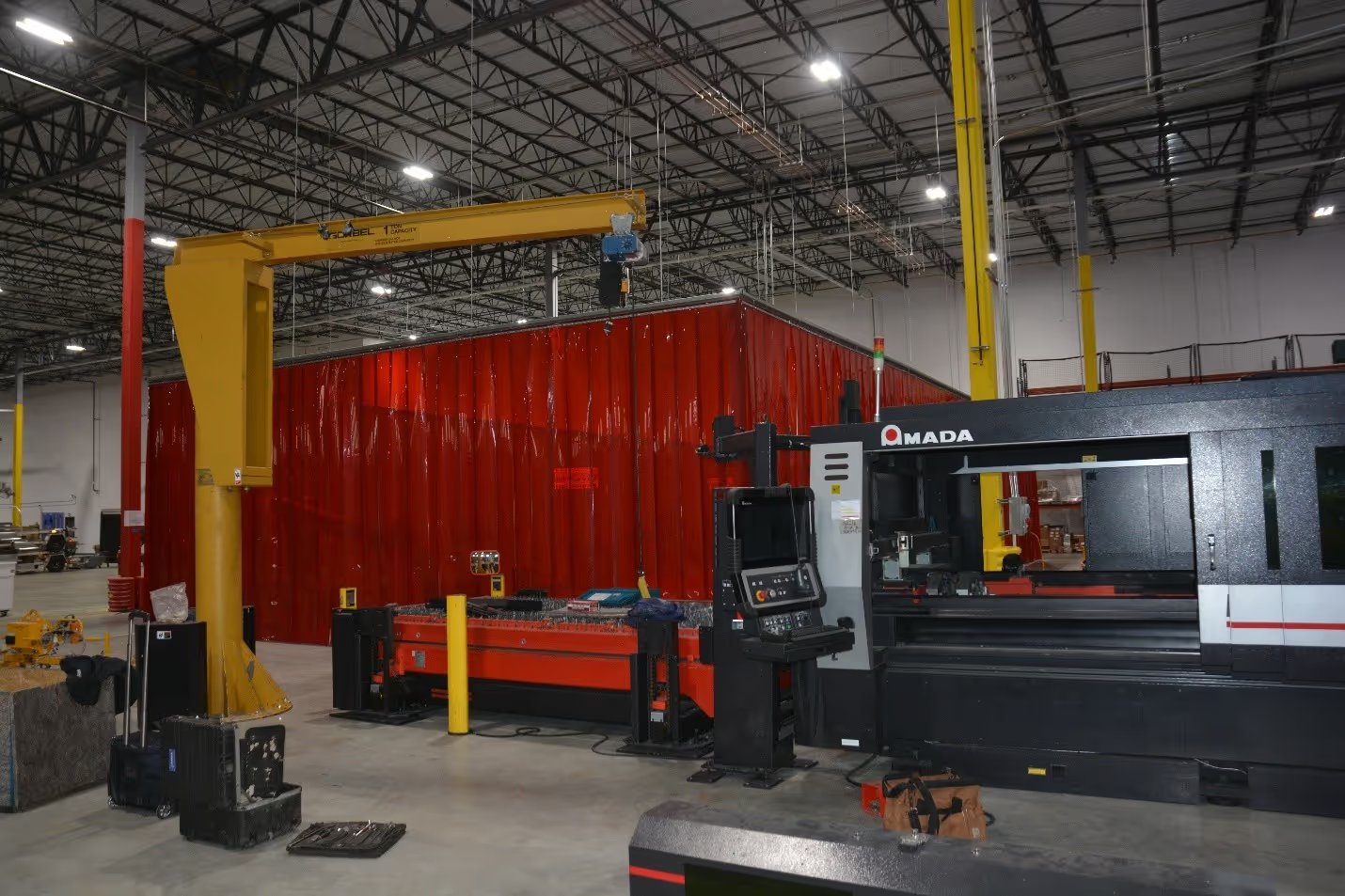
- Advanced fabrication systems for precision components
- Robotic welding for structural consistency
- Assembly-line production with drive-through bays
- Parallel inspection processes
- Non-disruptive repair workflows
The assembly-line layout allows multiple trucks to be built simultaneously, improving efficiency without sacrificing quality.
Built-In Quality Assurance at Every Step
What truly sets Satellite’s facility apart is how quality is engineered into the process – not inspected at the end.
Every vacuum truck moves through defined quality gates across manufacturing and upfitting stages. At each major gate:
- A physical checklist is completed
- One to three reviewers sign off
- Any issue triggers a formal quality feedback loop involving engineering, operations, and sales when needed
Once the issue is resolved, the correction becomes part of the standard process moving forward, preventing repeat issues and strengthening future builds.
“We introduce the quality feedback loop, close the quality gap, and then make that part of the process moving forward… we always close that gap.”
- Craig Brooks, Executive Vice President
What This Means for Operators in the Field
All of these advancements translate into measurable benefits:
- Stronger, longer-lasting trucks
- More consistent performance across fleets
- Reduced downtime and maintenance
- Improved lead times and availability
- Better overall return on investment
As Craig summarizes:
“For the customer, the three things they’re going to achieve are higher quality, shorter lead times, and better price.”
And just as important, Satellite’s manufacturing approach reflects a business built around long-term partnerships where understanding how each customer operates is as critical as how each truck is built.
Bringing the Manufacturing Experience to You: The Show & Go Program
Not every operator can easily travel to a manufacturing facility or absorb the time, cost, and logistics of shipping equipment for long distances just to evaluate a truck in person. That’s why Satellite Industries created the Show & Go Program, designed to bring the truck – and the build quality behind it – directly to operators across the country.
Through the program, Satellite distributes select, high-demand truck configurations to regional locations, where Account Executives can coordinate visits to operate and demonstrate the equipment.
Operators can:
- Inspect the build quality up close
- See layout, controls, and systems in action
- Evaluate how the truck performs in their own environment
Putting trucks on the road through the Show & Go Program gives operators a clear, hands-on understanding of how Satellite’s manufacturing decisions translate into real-world performance. The result is fast, more confident purchasing decisions with fewer surprises after delivery.
Manufacturing Built for the Future of Portable Sanitation Fleets
The industry is evolving - routes are growing, fleets are expanding, and expectations around reliability and delivery times are higher than ever. Meeting those demands requires more than incremental product changes; it requires manufacturing systems designed to scale without sacrificing quality.
By investing in a state-of-the-art manufacturing and upfitting facility, Satellite Industries has built the foundation to support the future of portable sanitation fleets. Integrated engineering, in-house fabrication, robotics, and defined quality gates allow trucks to be produced more consistently, transitioned between product types more quickly, and delivered with greater predictability.
For operators, that means equipment that’s not only built to last but built to keep up as their businesses grow.
Ready to Find the Right Vacuum Truck?
If you’re evaluating a portable sanitation vacuum truck, how it’s built matters just as much as what’s on the spec sheet.
Satellite’s team can help you explore options, compare configurations, and even bring a truck directly to you.
Latest from the Satellite Industries Blog
Need Help {Finding the Right Sanitation Solution?}
Satellite Industries is the largest manufacturer of portable restrooms, restroom trailers, restroom trucks, septic trucks, slide-ins, unit haulers, vacuum technology, modular solutions, consumables and deodorizers.
.webp)
.webp)