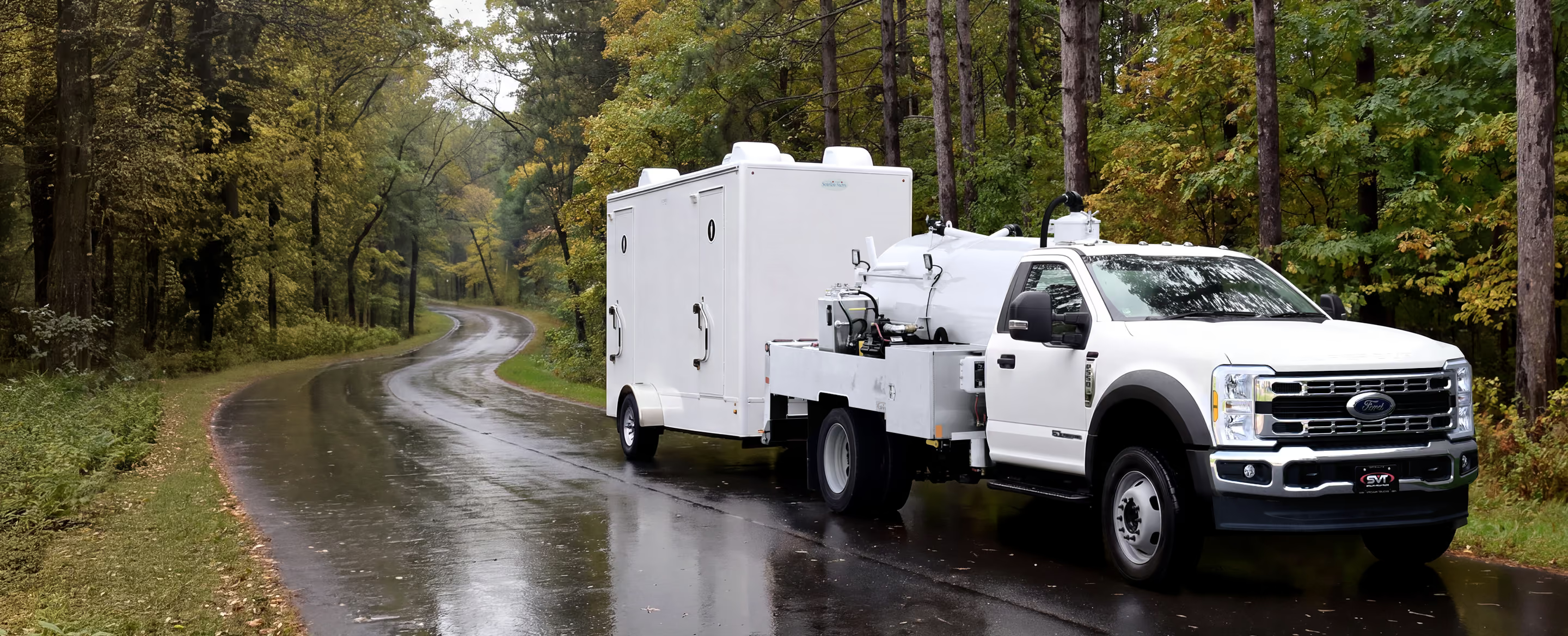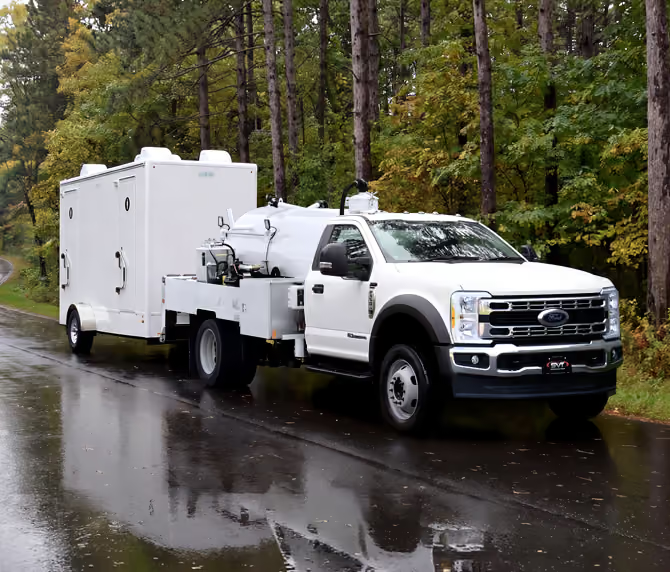
On the Move: Top Septic Tank Delivery Trucks for Sale
Septic tank delivery trucks for sale: Top 2025 Buys
Why Professional Septic Tank Delivery Trucks Are Essential for Your Business
Septic tank delivery trucks for sale are specialized vehicles that are the backbone of any successful sanitation business. They use powerful vacuum systems and large storage tanks to collect, transport, and dispose of liquid waste from septic systems, portable restrooms, and grease traps.
Quick Overview for Buyers:
- Price Range: $7,500 – $298,000 (used to new)
- Tank Capacity: 1,500 – 5,000+ gallons
- Popular Models: Freightliner M2 106, Mack MD7, Peterbilt 548
- Engine Size: 6.7L most common
- CDL Required: Usually, depending on state and truck size
- Key Features: Vacuum pump, hydraulic systems, PTO operation
The septic service industry relies on these workhorses for waste collection and transport. Finding the right vehicle means understanding key specifications like tank capacity, pump type, and chassis requirements.
Whether you’re expanding a fleet or starting a new business, the right septic truck directly impacts your operational efficiency, service capacity, and bottom line. Most configurations are Class 7 and Class 8 trucks with automatic transmissions and 6.7L engines for optimal performance.
As Michelle Amelse, Vice President of Marketing at Satellite Industries, I bring over 26 years of experience in the portable sanitation industry. I’ve seen how proper equipment selection separates struggling operations from thriving businesses. My background in manufacturing and fleet management has taught me that choosing a septic truck requires looking beyond the price tag to ensure long-term operational success.

Key Considerations When Searching for Septic Tank Delivery Trucks for Sale
Investing in septic tank delivery trucks for sale means finding the right truck for your business. This requires a close look at the features that impact your operations, efficiency, and long-term success.
Understanding Key Features and Specifications
Let’s break down the critical components of these sanitation workhorses.
Tank Capacity and Material
The tank’s capacity, measured in gallons, dictates how many jobs you can complete before offloading waste. Common capacities range from 1,500 to over 5,000 gallons. A larger capacity means fewer trips to the disposal site, boosting productivity. The tank’s material is also vital for durability.
- Steel tanks are robust and impact-resistant, ideal for heavy-duty use. They are heavier and require proper lining to prevent corrosion.
- Aluminum tanks are lighter, improving fuel efficiency and payload capacity. They are naturally corrosion-resistant but can be more susceptible to dents.
Pump Type: The Heart of the Operation
The vacuum pump is the most critical component, creating the suction to pull waste. Its power is measured in CFM (Cubic Feet per Minute)—higher CFM means faster pumping. The pump is driven by the truck’s engine via a PTO (Power Take-Off) system. Some trucks also integrate high-pressure jetters for clearing clogs, adding valuable versatility.
Chassis and Engine: The Foundation of Power
The chassis and engine determine hauling capacity and durability. Septic trucks are typically Class 7 (26,001 – 33,000 lbs GVWR) or Class 8 (over 33,001 lbs GVWR) to handle the weight of liquid waste. The most common engine size is 6.7L, offering a balance of power and efficiency. Popular, durable chassis models include the Freightliner M2 106, Mack MD7, and Peterbilt 548, usually paired with automatic transmissions.
Specialized Features
Features like heated valves are essential in cold climates to prevent freezing. Advanced control systems streamline operations, while options like built-in toolboxes or separate compartments for jetters add convenience. Our commitment to advanced engineering ensures our trucks are designed for maximum durability and user-friendliness.

New vs. Used: Making the Right Investment
The choice between a new or used septic truck impacts your budget, readiness, and long-term reliability.
New Trucks offer the latest technology, full manufacturer warranties (often 12 months/70,000 km with technical support), and complete customization. However, they come with a higher price tag ($120,000 to $298,000) and potential lead times for custom builds.
Used Trucks provide a lower initial cost ($7,500 to $218,800) and immediate availability, making them great for new businesses or budget-conscious fleet expansions. The main drawbacks are potential wear and tear and an unknown service history.
Inspection Checklist for Used Trucks:
When buying used, a thorough inspection is critical. Check the:
- Tank Integrity: Look for rust, cracks, or leaks.
- Pump Hours: High hours may signal an upcoming rebuild.
- Chassis Mileage: Assess the overall condition of the engine and transmission.
- Maintenance Records: Request detailed service logs.
FeatureNew Septic TrucksUsed Septic TrucksCostHigher initial investment ($120k – $298k)Lower initial investment ($7.5k – $218k, avg. $100k)WarrantyFull manufacturer warranty (12 months/70,000km, life-long support)Limited or no warranty; often “as-is”CustomizationFull customization to exact specificationsLimited to existing configurations; some modifications possibleReliabilityGenerally higher; less prone to immediate issuesVaries greatly based on history and condition; potential for more repairsAvailabilityLonger lead times for build/deliveryOften immediate availability
Navigating the Market: Where to find septic tank delivery trucks for sale
Knowing where to look is key to finding the right septic tank delivery trucks for sale.
- Reputable Dealers and Manufacturers: These experts offer new and high-quality used trucks, often with customization options. Purchasing directly from manufacturers like us ensures the truck is built to your exact needs with advanced engineering for durability.
- Online Marketplaces: Various online marketplaces offer a wide selection of new and used trucks, but require careful vetting of sellers.
Key Questions for Sellers:
- Can you provide a detailed service history?
- What are the warranty details for the chassis and vacuum system?
- What are the pump’s specifications (CFM, special features)?
- What is the availability or lead time?

Maximizing Your Investment: Operations, Maintenance, and Regulations
Buying a septic truck is just the first step. To maximize your investment, you must manage finances, maintenance, and safety regulations effectively.
The Financial Picture: Pricing, Financing, and Operational Costs
Understanding the true cost of ownership is vital for profitability. New trucks range from $120,000 to $298,000, while used trucks are more accessible at $7,500 to $218,800.
Most businesses require financing. Many dealerships offer in-house financing, while third-party lenders may provide more competitive rates. You can Apply for financing now to explore your options. Always review warranty details. New trucks come with manufacturer warranties, and extended programs can offer additional protection.
The purchase price is just the start. Factor in ongoing operational costs:
- Fuel: These large trucks are thirsty, especially during heavy use.
- Insurance: Commercial vehicle insurance for specialized equipment is essential.
- Maintenance: Budget for regular servicing and unexpected repairs.
- Disposal Fees: The cost to legally dispose of waste at approved facilities.
Staying Compliant and Safe
Operating septic trucks involves strict regulations and a commitment to safety.
Legal Requirements:
- CDL: Most Class 7 and 8 trucks require a Commercial Driver’s License. Check your state’s regulations.
- Registration: Commercial vehicles have specific registration and inspection requirements.
- Environmental Rules: Follow all regulations for waste transport and disposal to prevent spills and pollution.
Safety Features and Practices:
Safety is integral to our truck design. Key features include emergency shut-offs for the pump and hydraulics, and backup cameras to manage blind spots. Proper hose storage prevents spills and trip hazards. Beyond features, comprehensive operator training on safe equipment use and emergency procedures is critical.

Common Issues and Maintenance
Even the best trucks face issues. Proactive maintenance keeps your fleet running and minimizes downtime.
Common Problems:
- Clogs: Blockages in hoses or lines from debris or thick sludge.
- Vacuum Pump Issues: Worn parts or leaks can reduce suction.
- Tank Corrosion: Can develop over time, especially in unlined steel tanks.
- Hydraulic System Failure: Leaks or pump issues can affect booms and lifts.
Preventative Maintenance and Troubleshooting:
- Daily Inspections: Use a checklist to review hoses, fluid levels, and safety equipment.
- Regular Cleaning: Prevents corrosive build-up and premature wear.
- Scheduled Servicing: Follow manufacturer recommendations for the engine, transmission, and vacuum system.
- Quick Fixes: For clogs, try back-flushing the hose. For reduced suction, check pump oil and inspect for worn vanes. Regularly inspect hydraulic fluid and hoses for leaks.
Our advanced engineering creates durable trucks, but consistent preventative maintenance ensures peak performance. Understanding these common issues helps keep your septic tank delivery trucks for sale working hard for your business.

This guide provides the insights needed to select, operate, and maintain septic tank delivery trucks for sale. The right truck, combined with smart management, will improve your efficiency and drive long-term success.
Ready to find a truck that meets your demanding requirements? Explore our full range of sanitation trucks and see how our advanced engineering for durability and user-friendliness can benefit your operation.
Latest from the Satellite Industries Blog
Need Help {Finding the Right Sanitation Solution?}
Satellite Industries is the largest manufacturer of portable restrooms, restroom trailers, restroom trucks, septic trucks, slide-ins, unit haulers, vacuum technology, modular solutions, consumables and deodorizers.