The Light Side of Safety: Choosing the Right Lightweight Protective Gear
The Evolution of Safety: Why Lightweight Protective Clothing Matters
Lightweight protective clothing is specialized apparel designed to shield workers from workplace hazards while minimizing weight and maximizing comfort. These garments provide essential protection without the bulk and heat stress associated with traditional safety wear.
What is Lightweight Protective Clothing?
- Garments that provide protection while being significantly lighter than traditional PPE
- Made from advanced materials like composite yarns, Merino wool, and polypropylene
- Offers protection against hazards including UV radiation, cuts, abrasion, flame, and biological threats
- Features UPF ratings, breathability, and moisture-wicking properties
- Balances safety compliance with wearer comfort and mobility
For workers in the portable sanitation industry, lightweight protective options have revolutionized daily operations. When you’re servicing units in summer heat or managing equipment at outdoor events, the difference between traditional heavy gear and modern lightweight alternatives can mean the difference between compliance and corner-cutting.
The market has responded to this need with remarkable innovations. Today’s protective clothing can be ounce-for-ounce 15 times stronger than steel while feeling as soft as cotton. UPF 50+ rated fabrics block at least 98% of harmful UV rays while remaining breathable for all-day comfort.
“Clothing specifically labeled as UPF can offer up to 10 times more protection than a standard cotton t-shirt,” notes the Skin Cancer Foundation, highlighting just one benefit of these specialized garments.
What makes modern protective clothing truly is the technology behind it. Advanced materials like those used in Tuff-N-Lite® apparel deliver twice the strength of aramid fiber clothing while maintaining breathability. Meanwhile, innovations like mForce™ Technology improve fabrics by improving drying speed and durability over multiple uses.
I’m Michelle Amelse, Vice President of Marketing and Customer Success at Satellite Industries, and I’ve witnessed how the right lightweight protective clothing can transform safety compliance and worker comfort in the portable sanitation industry. My 26 years of experience has shown that when protective gear feels good, looks good, and performs well, workers are significantly more likely to wear it consistently.

Understanding Lightweight Protective Clothing
What Is Lightweight Protective Clothing?
Lightweight protective clothing is a game-changer in safety gear. Unlike the bulky, heavy protective equipment of the past, these modern garments strike an ideal balance between protection and comfort. They’re engineered specifically to keep workers safe without weighing them down or restricting movement.
What makes these garments special is their impressive weight-to-protection ratio. A typical lightweight protective shirt might weigh 30-50% less than traditional options while still providing the same level of safety. For your customers who spend long days servicing portable sanitation units, this weight reduction makes a world of difference in comfort and job satisfaction.
Today’s advanced protective wear achieves this balance through clever engineering – using stronger but thinner fabrics, placing protective elements strategically only where needed, and designing with the body’s natural movements in mind. The result? Gear that protects without feeling like you’re wearing armor.
As a distributor, understanding these distinctions helps you guide your customers toward solutions that their teams will actually want to wear consistently.
Key Applications & User Environments
The versatility of lightweight protective clothing makes it valuable across numerous settings where your customers operate:
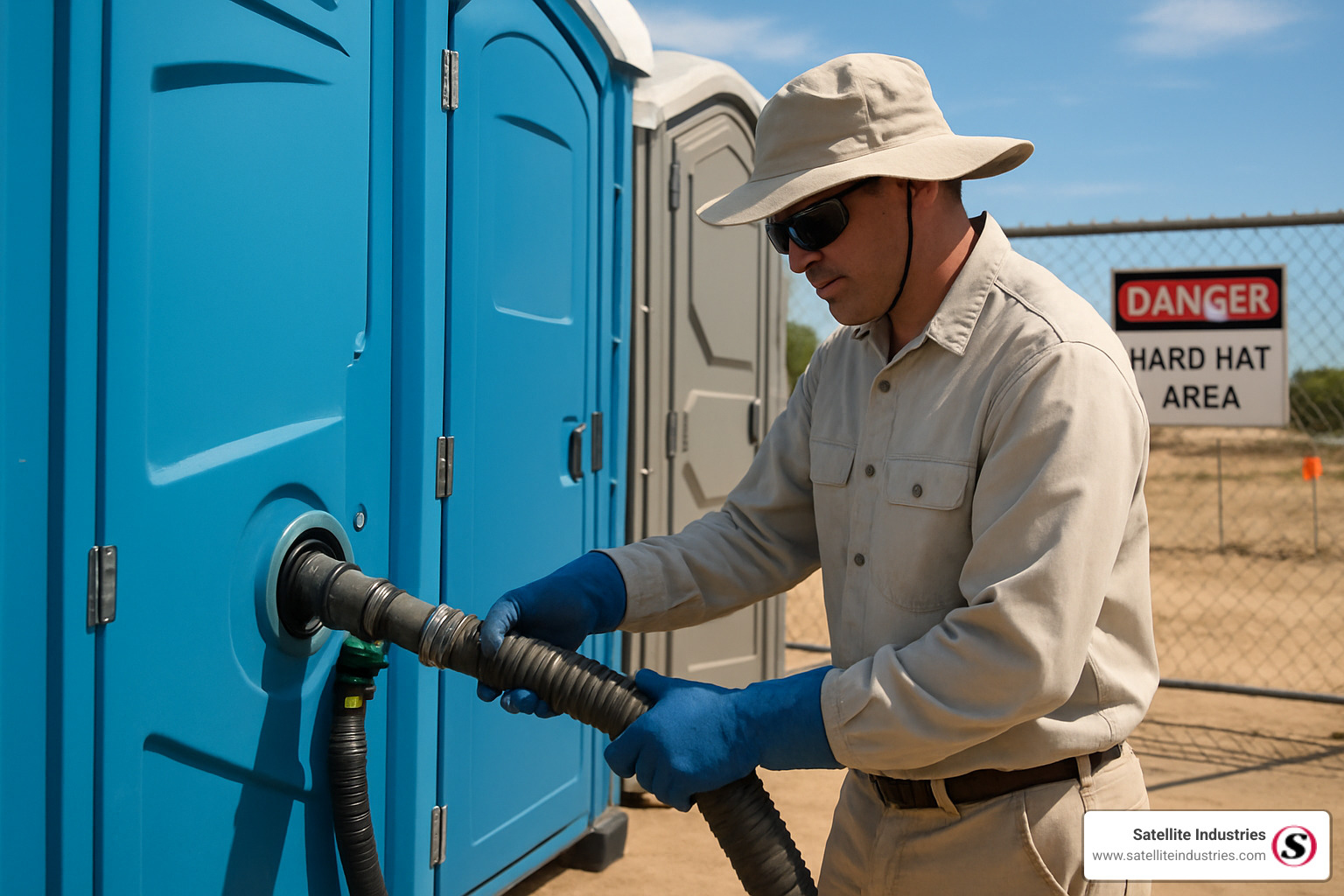
For portable sanitation technicians working at outdoor events or construction sites, UPF-rated garments provide crucial protection against harmful UV radiation while keeping them cool. Healthcare settings benefit from lightweight disposable polypropylene barriers that protect against biological contaminants during long shifts.
Food processing environments require non-woven lightweight garments that prevent cross-contamination while maintaining breathability. Utility workers appreciate arc-rated lightweight shirts and pants that protect against flash hazards without causing heat stress.
Construction crews rely on cut-resistant lightweight sleeves and gloves that protect against sharp edges while preserving dexterity. Even military applications have acceptd this technology – the Nordic Combat Uniform system delivered approximately 700,000 lightweight garment items designed for extreme environments.
This adaptability makes lightweight protective clothing particularly valuable in the portable sanitation industry, where workers often face multiple hazards throughout their workday.
Benefits Over Traditional Heavy Gear
The advantages of switching to lightweight protective clothing extend far beyond just feeling better:
Reduced fatigue is perhaps the most immediate benefit. Studies show that cutting PPE weight by just 20% significantly decreases physical exhaustion during a full shift. This means your customers’ teams stay more alert and energetic throughout the day.
Heat stress mitigation is another crucial advantage. According to research on heat stress in PPE, traditional heavy protective clothing can raise core body temperature by 1.5-2°C during moderate activity in warm conditions – potentially leading to dangerous heat-related illness. Lighter, more breathable fabrics allow better air circulation and heat dissipation.
Perhaps most importantly, higher compliance rates mean better overall safety. When protective gear feels good, workers wear it consistently and correctly. Industry surveys show compliance rates can jump by 30-40% when switching to lightweight alternatives – a win for everyone.
Your customers will also appreciate the increased productivity that comes with comfortable gear. Workers spend less time adjusting or removing uncomfortable protection and more time focused on their tasks. The improved mobility translates to better job performance and potentially fewer ergonomic injuries from restricted movement.
Materials & Technologies That Make It Possible
The magic behind modern lightweight protective clothing isn’t just clever marketing—it’s real innovation. Today’s protective gear feels completely different from what workers endured even ten years ago, thanks to breakthroughs in materials science and manufacturing.
Natural & Bio-Based Fibres
Remember when “natural” meant “less effective”? Those days are gone. Natural fibers have made an impressive comeback in the protective clothing world.
Merino wool stands out as nature’s own performance fabric. This remarkable fiber offers built-in temperature regulation that works in both sweltering summer heat and winter chill. Workers wearing merino-based protective gear benefit from natural UV protection (UPF 25-50 depending on the weave), while the fiber’s structure naturally wicks moisture away from the skin.
The anti-odor properties of merino make it perfect for long shifts, and when the garment eventually wears out, it’s fully biodegradable. New technologies like mForce™ have improved merino’s natural abilities, improving drying time and helping the fabric bounce back after stretching—critical for busy workers who can’t baby their gear.
We’re also seeing exciting developments with other bio-based options. Hemp and bamboo fibers are being engineered specifically for protective applications, offering sustainable alternatives with built-in antimicrobial properties and excellent breathability.
High-Performance Synthetics
While natural fibers have their place, synthetics remain the workhorses of lightweight protective clothing for good reason.
Polypropylene creates incredibly light non-woven fabrics that block dry particulates while letting your skin breathe. It weighs 30-40% less than polyester, actively manages moisture to keep skin dry, and naturally resists many chemicals. This makes it perfect for disposable applications in food processing and laboratory environments where contamination control is critical.
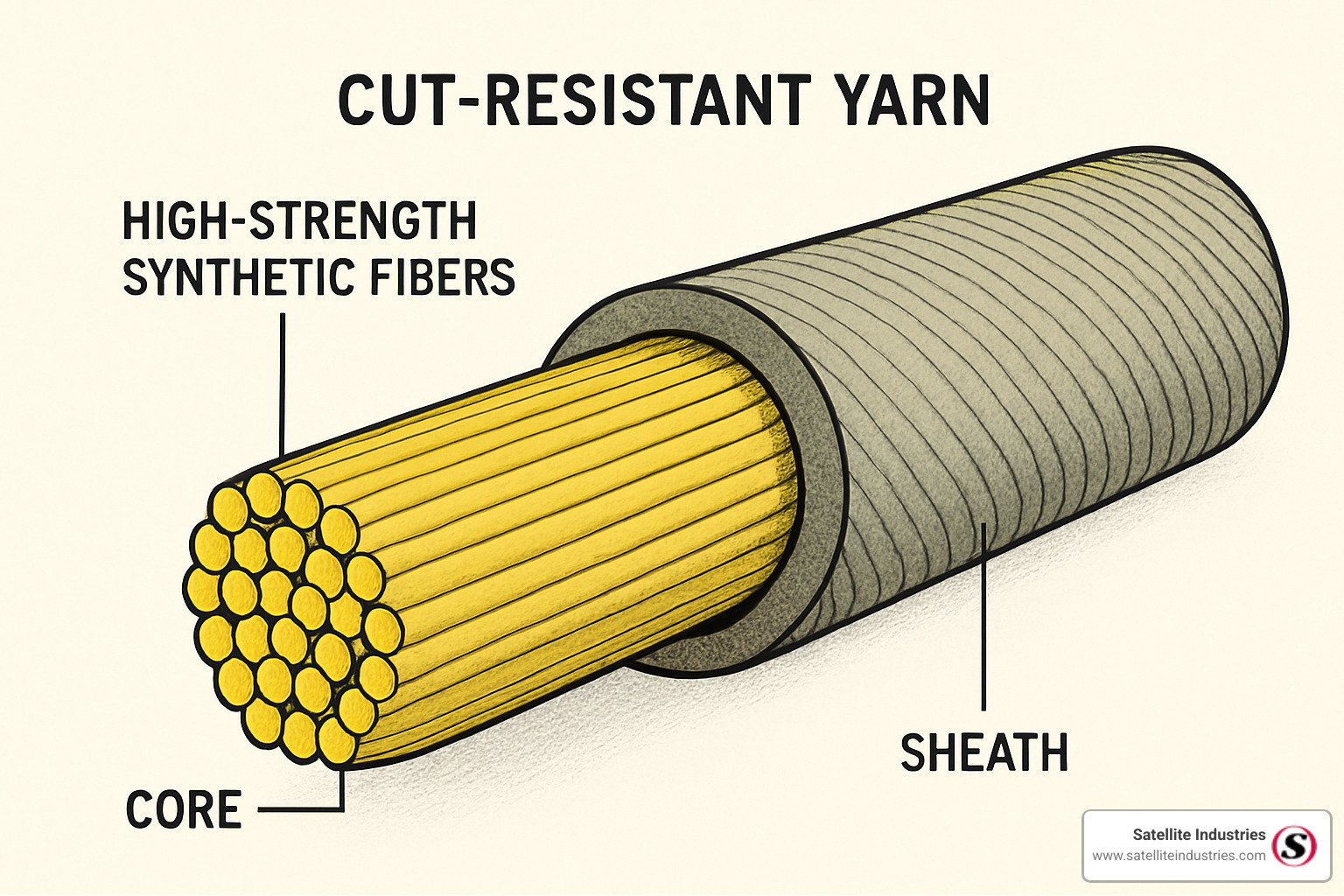
The real star in cut protection is Ultra-High-Molecular-Weight Polyethylene (UHMWPE). This remarkable material forms the foundation of modern cut-resistant fabrics that feel nothing like the stiff, uncomfortable options of the past. Ounce-for-ounce, it’s 15 times stronger than steel, yet remains soft and flexible against the skin. Its excellent abrasion resistance and lightweight construction significantly reduce hand fatigue during long shifts.
Even familiar synthetics like polyester and nylon have evolved. Today’s versions incorporate microfiber structures for better breathability, engineered moisture-wicking channels, antimicrobial treatments for odor control, and quick-dry properties that keep workers comfortable in hot conditions.
Hybrid & Smart Fabrics
The most exciting innovations often happen when materials come together in smart combinations.
Composite yarns blend multiple fiber types to achieve the perfect balance of protection and comfort. Tuff-N-Lite® technology, for example, delivers twice the strength of aramid fiber clothing while maintaining a comfortable feel. Core-spun yarns hide protective cores inside comfort-focused outer layers, while bi-component fibers optimize both safety and wearability in a single strand.
Laminated and membrane fabrics use multi-layer construction to provide barrier protection without the sauna effect. Microporous membranes block liquids but allow vapor to escape, selectively permeable films provide chemical protection with reduced heat stress, and ultra-thin laminated layers add protection without weighing workers down.
The frontier of smart textiles is adding functionality beyond passive protection. Today’s advanced protective clothing might include conductive threads for anti-static properties, reflective elements woven directly into the fabric, or antimicrobial coatings that survive multiple wash cycles.
Emerging Innovations
The future of lightweight protective clothing looks even more promising with several cutting-edge developments on the horizon.
Graphene-infused fabrics incorporate this remarkable single-atom-thick carbon material to improve thermal conductivity for better heat management, increase tensile strength without added weight, provide electromagnetic shielding, and offer antimicrobial properties.
Phase-change materials (PCMs) are changing how we think about temperature regulation. Instead of passive insulation, these substances actively absorb, store, and release heat to maintain optimal conditions around the body. They reduce heat stress during high-exertion activities and can be customized with specific activation temperatures for different work environments.
Recyclable monofiber constructions maintain protection while addressing end-of-life concerns. These single-polymer designs eliminate the need for material separation during recycling, reducing environmental impact and creating potential for closed-loop manufacturing.
Balancing Protection, Comfort & Compliance
Finding the sweet spot between keeping workers safe, comfortable, and meeting regulations isn’t easy. But that’s exactly what makes lightweight protective clothing so – it achieves this delicate balance better than ever before.
Critical Certifications & Standards
When you’re helping customers choose the right protective gear, knowing the relevant standards ensures you’re providing truly compliant options:
For high-visibility needs, look for garments meeting EN ISO 20471 certification – essential for workers near traffic or heavy machinery. If static electricity poses a risk, EN 1149-5 certified clothing provides the necessary protection without the bulk of traditional options.
Flame resistance comes with its own set of standards. NFPA 2112 certification ensures garments protect against flash fires, while NFPA 70E specifically addresses arc flash hazards common in electrical work. For emergency medical settings, NFPA 1999 certification is non-negotiable.
Sun protection has become increasingly important for outdoor workers. The UPF (Ultraviolet Protection Factor) rating system makes it easy to understand what you’re getting:
- UPF 15-24 provides good protection, blocking about 93-96% of harmful rays
- UPF 25-39 offers very good protection at 96-97.4% blockage
- UPF 40-50+ delivers excellent protection, blocking 97.5-98%+ of UV radiation
For specialized applications, additional standards like ASTM F1506 for arc-rated clothing or military-grade AQAP 2110 quality assurance may come into play. These certifications give you confidence that lightweight protective clothing meets safety requirements while still prioritizing wearer comfort.
Design Strategies for Comfort
What makes modern protective wear so much more comfortable? It’s all in the thoughtful design details.
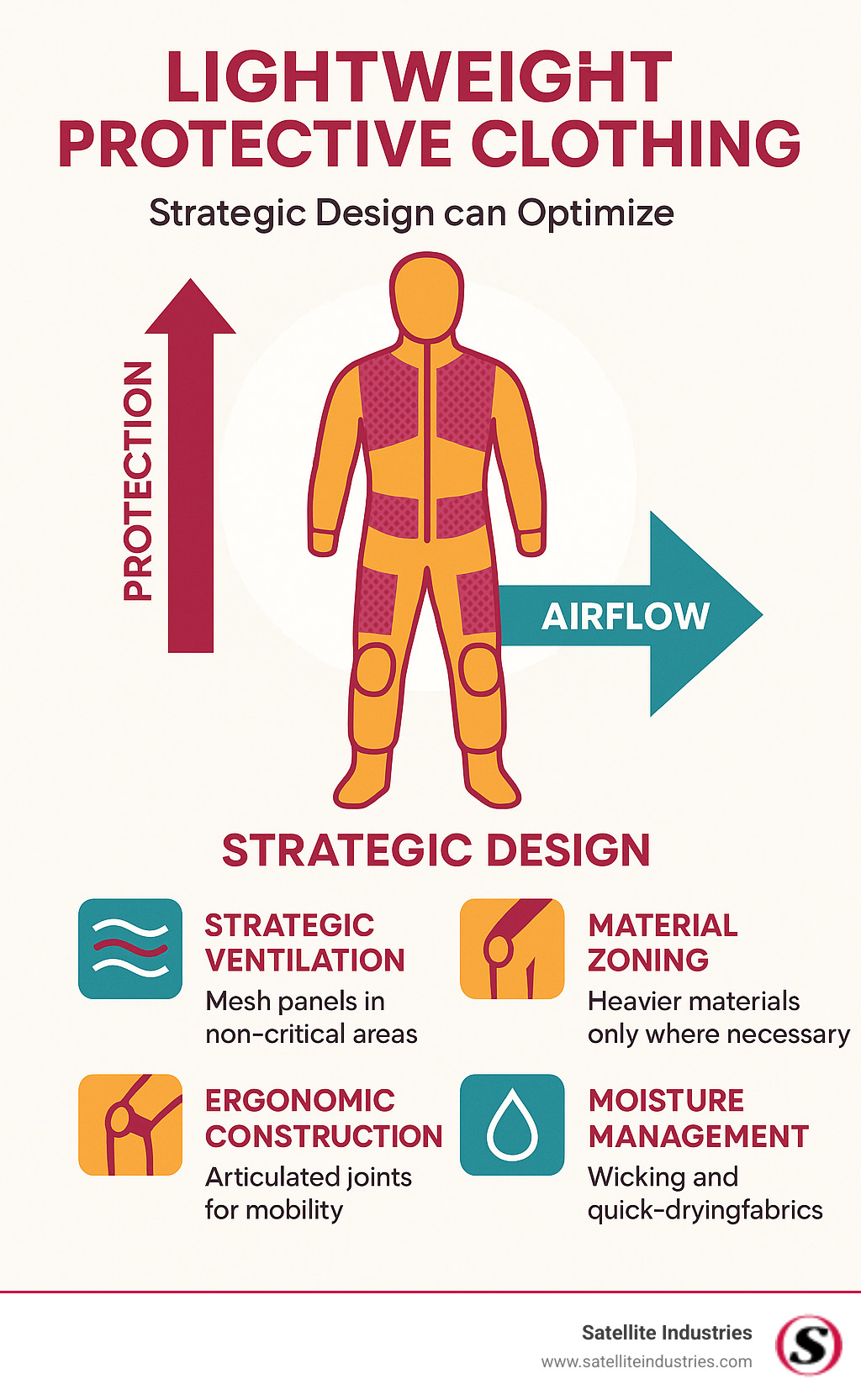
Strategic ventilation is a game-changer. Mesh panels placed in areas with lower protection needs allow heat to escape while maintaining safety where it counts. Think underarm vents, back panels with improved airflow, and even adjustable zippered openings that workers can customize based on their activity level and the temperature.
The smartest lightweight protective clothing uses material zoning – putting heavier protective fabrics only where they’re absolutely needed and using lighter, more breathable options elsewhere. This creates a garment that protects without feeling like a portable sauna.
Ergonomic construction makes all the difference in how clothing feels during a long workday. Articulated elbows and knees that move naturally with the body, gusseted crotches for full mobility, and raglan sleeves that eliminate uncomfortable shoulder seams when carrying equipment – these details might seem small, but they add up to significantly improved comfort.
Proving Performance in the Field
Real-world testing tells us far more than laboratory results ever could. The Nordic Combat Uniform System offers a compelling case study in lightweight protection under extreme conditions. This extensive project delivered approximately 700,000 garment items designed as a 28+ piece modular system. From Arctic cold to desert heat, these garments maintain protection while significantly reducing weight – proving that lightweight doesn’t mean light-duty.
In the civilian sector, UPF 50+ clothing from brands like Solbari has gathered over 20,000 verified 5-star reviews confirming that sun-protective clothing can be both effective and comfortable. Users consistently report that these garments maintain protection even when wet, allow all-day comfort in hot conditions, and continue performing through multiple wash cycles.
Industrial trials further demonstrate that lightweight protective clothing meets serious protection needs without the bulk. Cut-resistant sleeves now allow the dexterity needed for detailed work. Modern flame-resistant shirts provide full mobility while meeting stringent NFPA standards. Even disposable protective coveralls have evolved to prevent contamination while reducing the heat stress that leads to non-compliance.
For distributors serving the portable sanitation industry, these advancements mean you can now offer customers protection that workers will actually want to wear – improving both safety outcomes and operational efficiency in the field.
According to the American Cancer Society, proper sun protection is essential for outdoor workers, with their latest research on UPF fabrics showing significant reduction in UV exposure when appropriate protective clothing is worn consistently.
Selecting the Right Lightweight Protective Clothing for Your Operation
For distributors serving the portable sanitation industry, helping your customers find the perfect lightweight protective clothing isn’t just about checking boxes—it’s about understanding their unique operational needs. Think of yourself as a matchmaker between your customers and the gear that will keep their teams both safe and comfortable.

Step-by-Step Selection Guide
Finding the right lightweight protective clothing doesn’t have to be complicated. Start by understanding what your customers’ teams actually do all day. Are they constantly in the sun? Working with chemicals? Handling sharp equipment?
Conduct a thorough hazard assessment by talking with your customers about their daily operations. When you know exactly what risks their workers face—whether it’s UV exposure during summer events or chemical splashes during cleaning—you can recommend protection that addresses real needs rather than generic solutions.
Once you understand the hazards, match materials to specific risks. For teams working outdoors, look for fabrics with at least UPF 30 (preferably UPF 50+) to protect against sun damage. If cut hazards are a concern, suggest options with UHMWPE or composite yarn materials that offer remarkable protection while staying lightweight and comfortable.
Don’t skip the certification check! Verify compliance with relevant standards to ensure the garments you’re recommending truly deliver the protection promised. This step builds trust with your customers and protects everyone involved.
The real test comes when workers actually wear the gear. Whenever possible, arrange for your customers to try sample garments in real working conditions. There’s simply no substitute for hands-on feedback from the people who’ll be wearing these clothes all day.
Consider the practical aspects of supplier reliability too. Even the perfect protective clothing isn’t helpful if it’s constantly out of stock or takes months to arrive. Build relationships with manufacturers who maintain consistent inventory and sizing.
Finally, help your customers think about the full lifecycle of their protective gear. A slightly more expensive option that lasts twice as long might be the better value. Discuss washing requirements, expected lifespan, and replacement schedules to give them the complete picture.
FeatureTraditional FR CoverallLightweight FR Shirt & PantWeight12-16 oz/yd²5.5-8 oz/yd²Heat Stress RiskHighModerate to LowRange of MotionLimitedImprovedBreathabilityPoorGood to ExcellentLayering CapabilityDifficultEasyCompliance RateLower due to comfort issuesHigher due to improved comfortInitial CostLower per unitHigher per unitLifecycle CostOften higher due to replacementOften lower due to durability
Care, Maintenance & End-of-Life
The story of lightweight protective clothing doesn’t end with the purchase—proper care dramatically extends both the life and effectiveness of these specialized garments.
Follow washing guidelines religiously. It might seem like a small detail, but using the wrong detergent or washing method can compromise protective properties. For example, fabric softeners might feel nice but can damage the technical properties of many protective fabrics. Share specific care instructions with your customers to help them protect their investment.
For customers concerned about UV protection, mention that laundry additives containing Tinosorb FD can boost the UPF rating of garments by up to 30 points. These treatments typically last through about 20 washes and can be particularly useful for enhancing the protection of everyday cotton workwear.
Help your customers develop clear repair protocols for their protective clothing. Some damage can be safely repaired while other issues require immediate replacement. The key is knowing the difference. Many manufacturers offer repair programs for specialized garments, which can be more cost-effective than frequent replacements.
Don’t forget about responsible end-of-life practices. When protective clothing has served its purpose, it shouldn’t just be tossed in the trash. Explore recycling programs for eligible materials and consider manufacturers with take-back programs that support a circular economy.
By guiding your customers through these considerations, you’re not just selling them clothing—you’re helping them build a comprehensive safety program that protects their workers while respecting their bottom line.
The Future of Lightweight Protective Clothing
The world of lightweight protective clothing is evolving faster than ever, creating exciting possibilities for both workers and safety managers. As someone who’s spent years watching this industry transform, I’m amazed by how quickly innovation continues to accelerate.
Innovations Buyers Should Watch
Remember when “high-tech” workwear meant a reflective strip on a vest? Those days are long behind us. Today’s protective clothing innovations feel almost like science fiction becoming reality.
Nanofibres and nanocomposites are revolutionizing what’s possible in lightweight protection. These incredibly tiny fibers—less than 100 nanometers in diameter (thinner than a human hair)—create fabrics that feel featherlight yet offer remarkable protection. Some manufacturers are adding nanoparticle treatments that improve protective properties without adding any noticeable weight or bulk. Carbon nanotube reinforcements are particularly promising, dramatically increasing strength while maintaining comfort.
The days of one-size-fits-most are disappearing thanks to AI-driven custom fit technologies. Body scanning systems now create personalized protective garments that match individual body shapes precisely. This isn’t just about comfort—algorithmic design optimizes protection based on how each person actually moves. Some advanced systems even use machine learning to predict wear patterns and reinforce high-stress areas before they become problems.
On-demand manufacturing is changing how buyers approach inventory management. 3D knitting technology creates seamless protective garments with virtually zero waste, while just-in-time production reduces the need for warehousing large quantities. For distributors, this means the ability to offer customization at scale, with operation-specific protective features custom to each customer’s unique needs.
Sustainability has become a critical focus with circular economy approaches gaining traction. Mono-material designs simplify recycling processes at end-of-life, while bio-based synthetics maintain protection standards with reduced environmental impact. Forward-thinking manufacturers now offer takeback programs ensuring proper recycling of technical protective fabrics.
Perhaps most exciting is the emergence of truly smart protective clothing. Integrated sensors can monitor environmental hazards in real-time, while feedback systems alert wearers if their protection becomes compromised. Connected garments track exposure limits and wear indicators, helping safety managers ensure workers remain protected throughout a garment’s lifespan.
For those working in hot environments (like portable sanitation technicians in summer), self-cooling technologies represent a game-changing advancement. Active cooling systems integrated directly into protective layers keep workers comfortable without compromising safety. Biomimetic fabrics that regulate temperature similar to natural systems show particular promise, as do evaporative cooling technologies that work without allowing moisture penetration.

The most remarkable aspect of these innovations isn’t just the technology itself, but how they’re making worker protection more seamless and natural. As lightweight protective clothing continues evolving, we’re approaching a future where safety gear feels so comfortable that workers forget they’re wearing specialized protection at all.
For distributors serving the portable sanitation industry, staying informed about these emerging technologies helps you provide customers with the most effective protection solutions. When workers are both safe and comfortable, everyone wins—from the technicians in the field to the companies they represent.
Frequently Asked Questions about Lightweight Protective Clothing
How does UPF clothing stay protective after multiple washes?
One of the most common questions I hear from customers is whether sun protection will fade away in the laundry. The good news is that quality lightweight protective clothing with UPF ratings is designed to maintain its protection through many wash cycles.
Most UPF fabrics achieve their sun-blocking ability through the actual structure of the fabric—a tight weave that physically blocks UV rays—rather than just surface treatments. This structural protection doesn’t simply wash away like some coatings might. Many modern fabrics also incorporate protective elements directly within the fiber itself, creating protection that lasts the lifetime of the garment.
That said, proper care makes a huge difference. Following the manufacturer’s washing instructions (typically cold water, mild detergent, and avoiding bleach or fabric softeners) helps maintain the UPF rating you paid for. It’s worth noting that when you see a UPF 50+ rating on a garment, that product has usually been tested to maintain at least UPF 30 protection even after 40 wash cycles.
Eventually, all protective clothing reaches its limit. If you notice your UPF shirt becoming stretched, thin, or significantly faded, it’s probably time for a replacement—the protection is likely compromised along with the appearance.
Can lightweight gear meet the same flame or arc standards as heavy garments?
“But is it really as safe?” This question comes up frequently when distributors are considering switching their customers from traditional heavy FR coveralls to newer lightweight protective clothing.
Yes, modern lightweight options can absolutely meet the same rigorous flame and arc protection standards as their heavier predecessors. The science behind protective clothing has advanced tremendously, with new-generation FR fibers and composites delivering equal protection at significantly lower weights. Some lightweight FR shirts weighing just 5.5-6 oz/yd² now meet identical NFPA 2112 standards as traditional fabrics nearly twice as heavy.
Many safety programs now take advantage of layered systems, where multiple lightweight garments combine to provide protection equal to or greater than a single heavy garment. This approach also offers more flexibility for workers in changing conditions.
The key is to verify certifications rather than making assumptions based on weight. Always check that your lightweight options carry the same certification ratings (like ATPV values for arc protection) as the heavier garments they’re replacing. The protection is in the testing, not the weight.
Extremely lightweight options might require more frequent replacement in harsh conditions, so factor this into your total cost calculations when advising customers on their protective clothing programs.
What’s the typical lifespan of a lightweight protective garment?
“How long will these last?” is perhaps the most practical question distributors need to answer for their customers. The honest answer is: it depends on several factors.
Different types of lightweight protective clothing have vastly different expected lifespans. Disposable polypropylene coveralls might be single-use or last for 2-3 wears at most. Quality UPF shirts typically withstand 50-100 washes with proper care. Composite cut-resistant sleeves generally last 3-6 months of daily use, while lightweight FR shirts often remain serviceable for 18-24 months of regular wear.
Usage intensity dramatically affects longevity. Light duty (occasional wear) might extend lifespan up to twice the standard, while heavy daily wear in harsh conditions can cut it by 30-50%. This is why it’s so important to understand your customer’s actual working conditions.
Proper care makes a tremendous difference too. Following manufacturer instructions can extend garment life by 30-50%, while industrial laundering typically accelerates degradation compared to home washing.
When helping customers develop replacement schedules, teach them to watch for clear end-of-service indicators: visible thinning or holes, stretching beyond original dimensions, significant fading of FR or high-visibility coloration, or failure to pass periodic testing for critical protective properties.
Environmental factors also play a major role—UV exposure, chemical contact, and heat exposure all accelerate degradation of protective properties. For outdoor workers in portable sanitation, these considerations are particularly important when establishing realistic replacement cycles.
Conclusion & Next Steps
The journey through lightweight protective clothing reveals how far safety gear has come. Gone are the days when workers had to choose between protection and comfort. Today’s innovations deliver both, creating a win-win for safety and compliance in the portable sanitation industry.
As a distributor serving this specialized field, you’re in a unique position to guide your customers toward these game-changing solutions. Your expertise can help them steer the expanding landscape of lightweight options that keep their teams protected without the burden of heavy, uncomfortable gear.
At Satellite Industries, we recognize the critical role protective clothing plays in daily operations. That’s why we’ve carefully cultivated relationships with premier safety apparel manufacturers who understand the unique challenges faced by portable sanitation professionals. Our curated selection reflects our commitment to your customers’ safety, comfort, and productivity.
The protective clothing revolution offers five essential insights for anyone making safety apparel decisions:
First, protection and comfort now work together rather than against each other. Modern lightweight fabrics and designs deliver certified safety with remarkable wearability – a breakthrough that directly addresses the age-old problem of workers removing or improperly wearing uncomfortable PPE.
Second, material science continues its rapid advancement. Staying informed about innovations like composite yarns, smart textiles, and specialized designs gives you a competitive edge when advising customers on their safety programs.
Third, systematic selection produces superior outcomes. The structured approach outlined earlier helps ensure you’re matching the right lightweight solutions to your customers’ specific hazard profiles and operational needs.
Fourth, proper care extends both protection and value. Clear protocols for washing, inspection, and replacement not only maintain safety performance but also maximize the return on protective clothing investments.
Finally, the future promises even better solutions. Emerging technologies are creating protective gear that’s increasingly lighter, more intelligent, and environmentally responsible – trends worth watching as you plan long-term safety strategies.
We encourage you to take a fresh look at your protective clothing offerings with these principles in mind. Are you providing options that deliver essential protection with the comfort that ensures consistent use? Have you incorporated the latest lightweight innovations that can lift both safety outcomes and worker satisfaction?
For more comprehensive information about safety apparel and other PPE specifically suited to portable sanitation operations, explore our safety apparel section or reach out to our safety specialists. At Satellite Industries, we’re dedicated to helping you protect your customers’ most valuable assets – their people – with solutions that accept the lighter side of safety without compromising protection.
The evolution of lightweight protective clothing isn’t just about better gear – it’s about creating a safer, more comfortable, and more productive work environment. And that’s something everyone can feel good about.
Latest from the Satellite Industries Blog
Need Help {Finding the Right Sanitation Solution?}
Satellite Industries is the largest manufacturer of portable restrooms, restroom trailers, restroom trucks, septic trucks, slide-ins, unit haulers, vacuum technology, modular solutions, consumables and deodorizers.