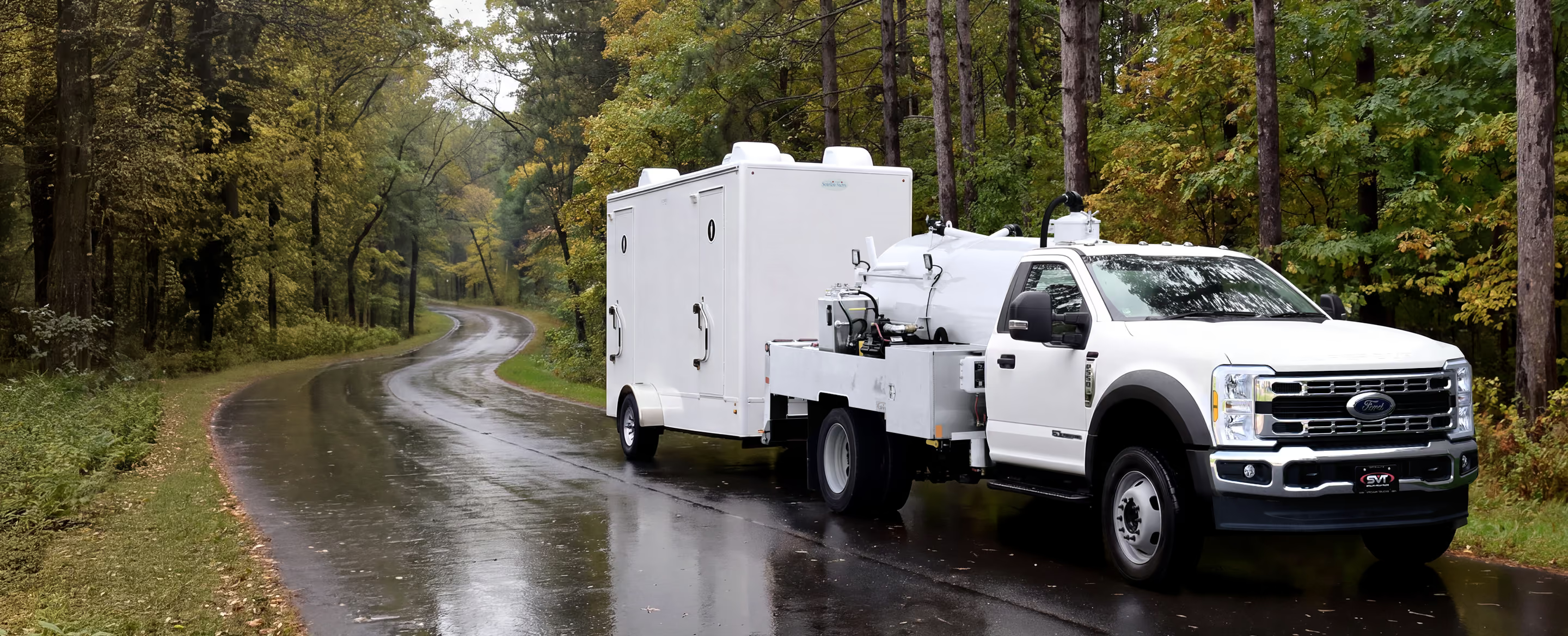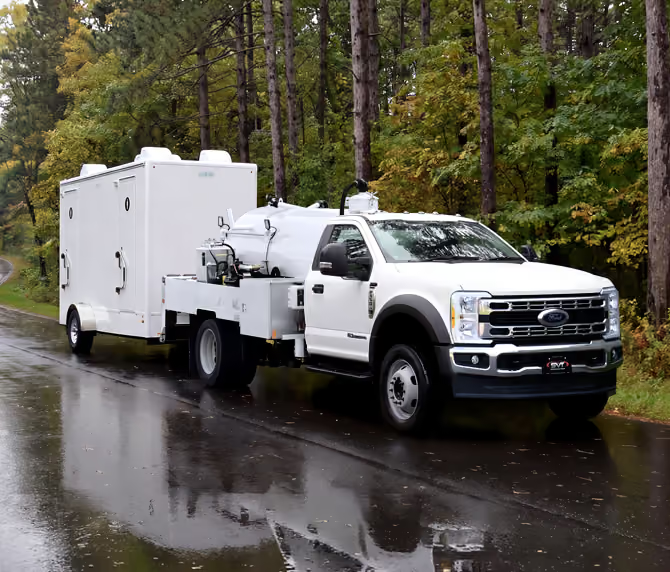
Unearth Your Next Rig: Top Hydro Excavation Trucks Available Now
Hydro excavation truck for sale: Unearth Profit 2025!
The Growing Market for Hydro Excavation Technology
When searching for a hydro excavation truck for sale, you’ll find a robust market with options ranging from $65,000 for older used units to over $575,000 for new 2024 models. Here’s what’s currently available:
Popular Models & Price Ranges:
- Used trucks (2001-2015): $65,000 – $279,900
- Mid-range trucks (2016-2020): $195,000 – $330,000
- New trucks (2024-2025): $439,900 – $575,500
Key Specifications to Consider:
- Debris tank capacity: 3-16 cubic yards
- Water tank capacity: 650-1,650 gallons
- Vacuum systems: 3,000-6,000 CFM ratings
- Water pumps: 10-20 GPM at 2,500-4,000 PSI
The hydro excavation industry has transformed how contractors approach underground work. As one industry expert put it, these units simply “squirt and suck” – but this simple concept has revolutionized excavation safety and precision.
Hydro excavation offers clear advantages over traditional digging:
- Safer utility exposure with minimal damage risk
- Faster completion requiring fewer workers
- Precise trenching in congested areas
- Year-round operation with heated water systems
I’m Michelle Amelse, Vice President of Marketing and Customer Success at Satellite Industries, with over 26 years of experience in specialized equipment markets including hydro excavation truck for sale transactions and fleet management. My background in strategic equipment solutions helps contractors make informed decisions when investing in this technology.
Why Hydro Excavation is a Smarter Investment Than Traditional Digging
Picture this: you’re standing next to a job site where a backhoe just struck a gas line. The chaos, the emergency crews, the project delays, and yes – the massive bill that follows. Now imagine that same job completed safely with surgical precision, minimal mess, and your crew already moving to the next site. That’s the power of choosing a hydro excavation truck for sale over traditional digging equipment.
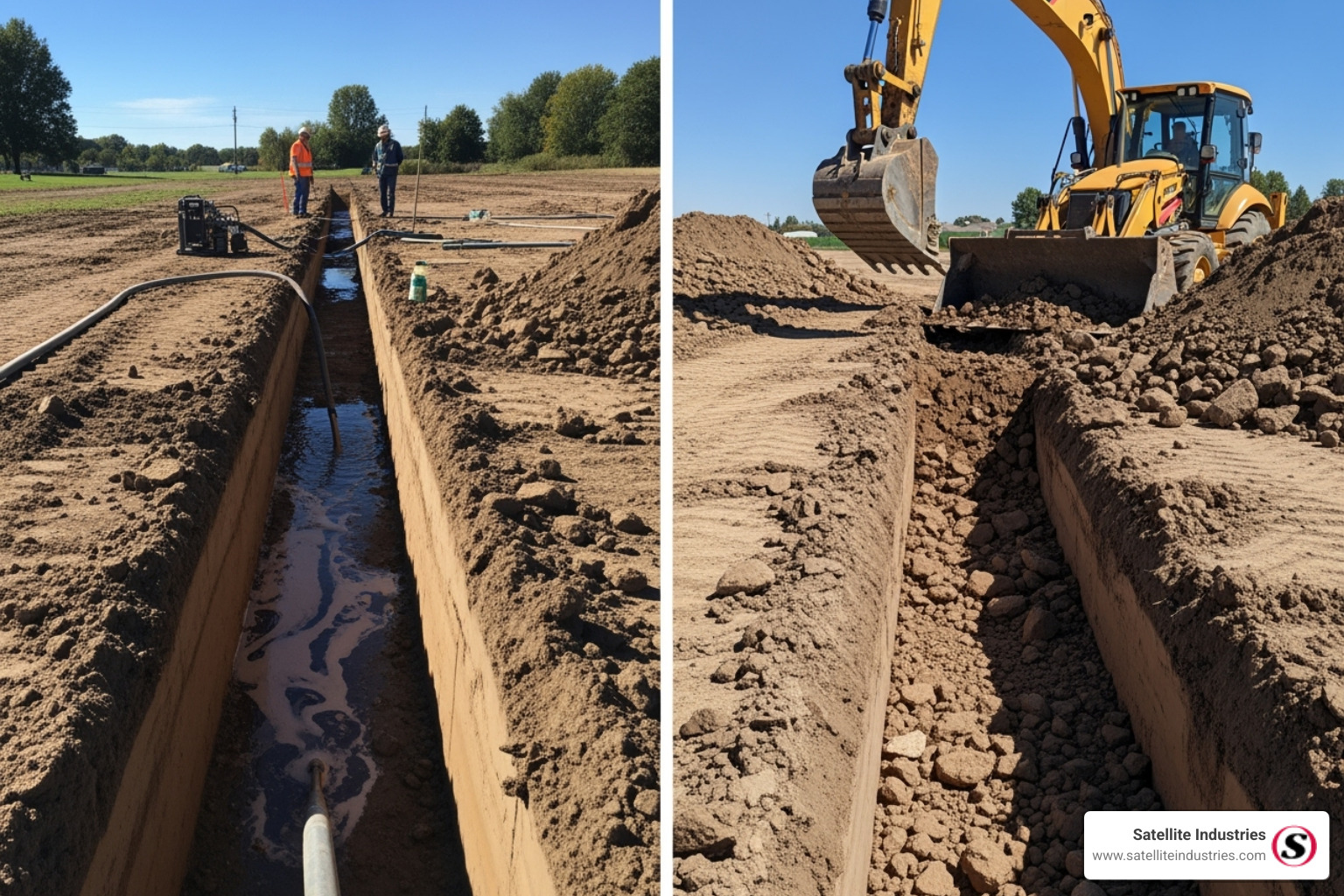
The most compelling reason to accept hydro excavation is the safety benefits it delivers every single day. Traditional mechanical excavation – think track hoes, augers, and bulldozers – turns every underground utility into a potential disaster waiting to happen. Gas lines, water mains, fiber optics, and electrical conduits become expensive targets for heavy machinery.
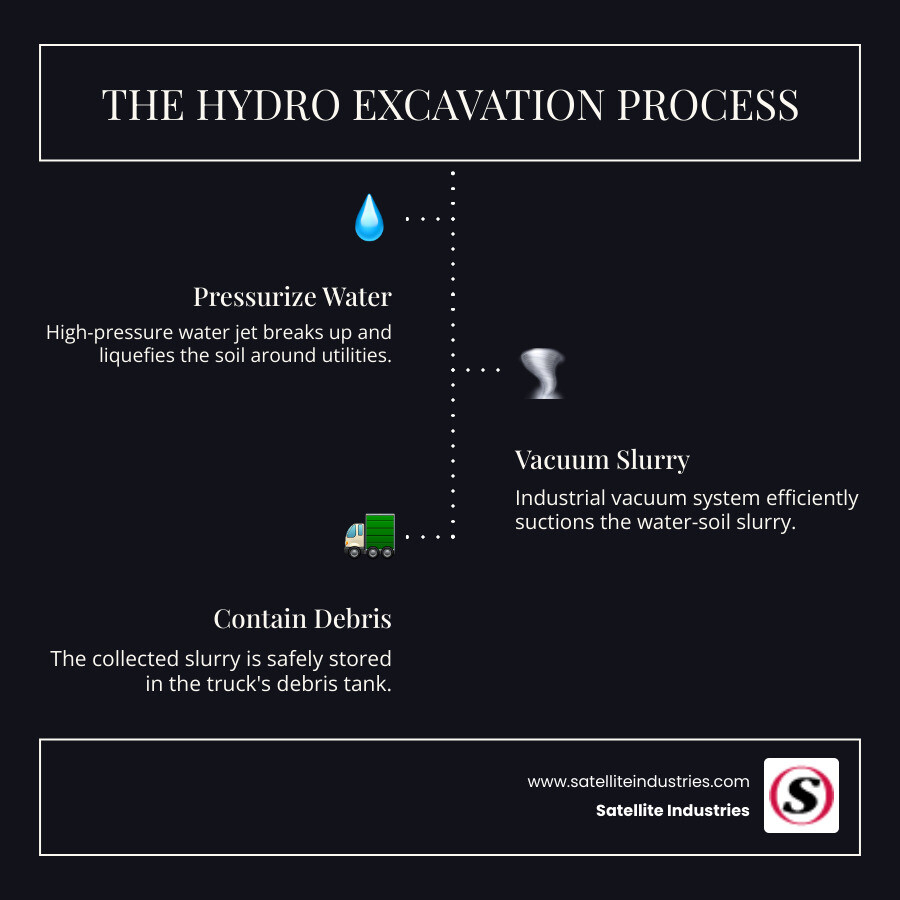
Hydro excavation changes this equation completely. By using pressurized water to break up soil and powerful vacuum systems to remove the slurry, you get what we call “surgical digging.” This approach dramatically reduces utility strikes because water simply flows around buried infrastructure instead of smashing through it like a steel bucket would.
The increased precision of hydro excavation opens up possibilities that traditional methods simply can’t match. When you need to daylight utilities or create potholes to locate underground infrastructure, hydro excavation gives you pinpoint accuracy. You can dig narrow trenches in congested areas, create precise piling holes, and work in tight spaces where large machinery would never fit.
This precision translates directly into environmental advantages. Traditional digging often looks like a small battlefield – displaced soil everywhere, compacted earth, and a disrupted landscape. Hydro excavation causes significantly less soil disturbance, keeping your job site cleaner and your environmental impact minimal. The excavated material gets contained in the truck’s debris tank, preventing soil erosion and contamination.
Here’s where it gets interesting for your bottom line: hydro excavation delivers real cost savings. Because the process is faster and more accurate, you need fewer workers on site. The precision means less backfill material and labor. Projects finish quicker, letting your crews move to the next job faster. It’s simple math – more efficiency equals better profitability.
The versatility of hydro excavation trucks makes them incredibly valuable fleet additions. Cold weather excavation becomes manageable with heated water systems that can break through frozen ground, keeping your operation running year-round instead of shutting down when temperatures drop.
Remote digging capabilities let you reach locations up to 600 feet away from the truck. This means accessing difficult spots where traditional equipment would struggle or simply can’t go. Whether you’re working around existing structures, in environmentally sensitive areas, or in locations with limited access, hydro excavation adapts to the challenge.
Beyond basic excavation, these trucks handle diverse tasks like cleaning catch basins, removing drilling mud, pressure testing lines, and even specialized cleaning jobs. It’s like having multiple pieces of equipment rolled into one versatile machine.
When you’re evaluating a hydro excavation truck for sale, you’re not just buying equipment – you’re investing in a safer, more efficient, and more profitable way of doing business. Your clients will appreciate the precision and minimal disruption, your crews will work more safely, and your business will benefit from the operational advantages that come with this advanced technology.
Anatomy of a Hydrovac: Key Components and How They Work
When you’re shopping for a hydro excavation truck for sale, it helps to understand what’s under the hood. Think of these machines as sophisticated partnerships between two powerful forces: pressurized water and industrial vacuum. Together, they create what we call “non-destructive digging” – a method that’s completely transformed how we approach underground work.
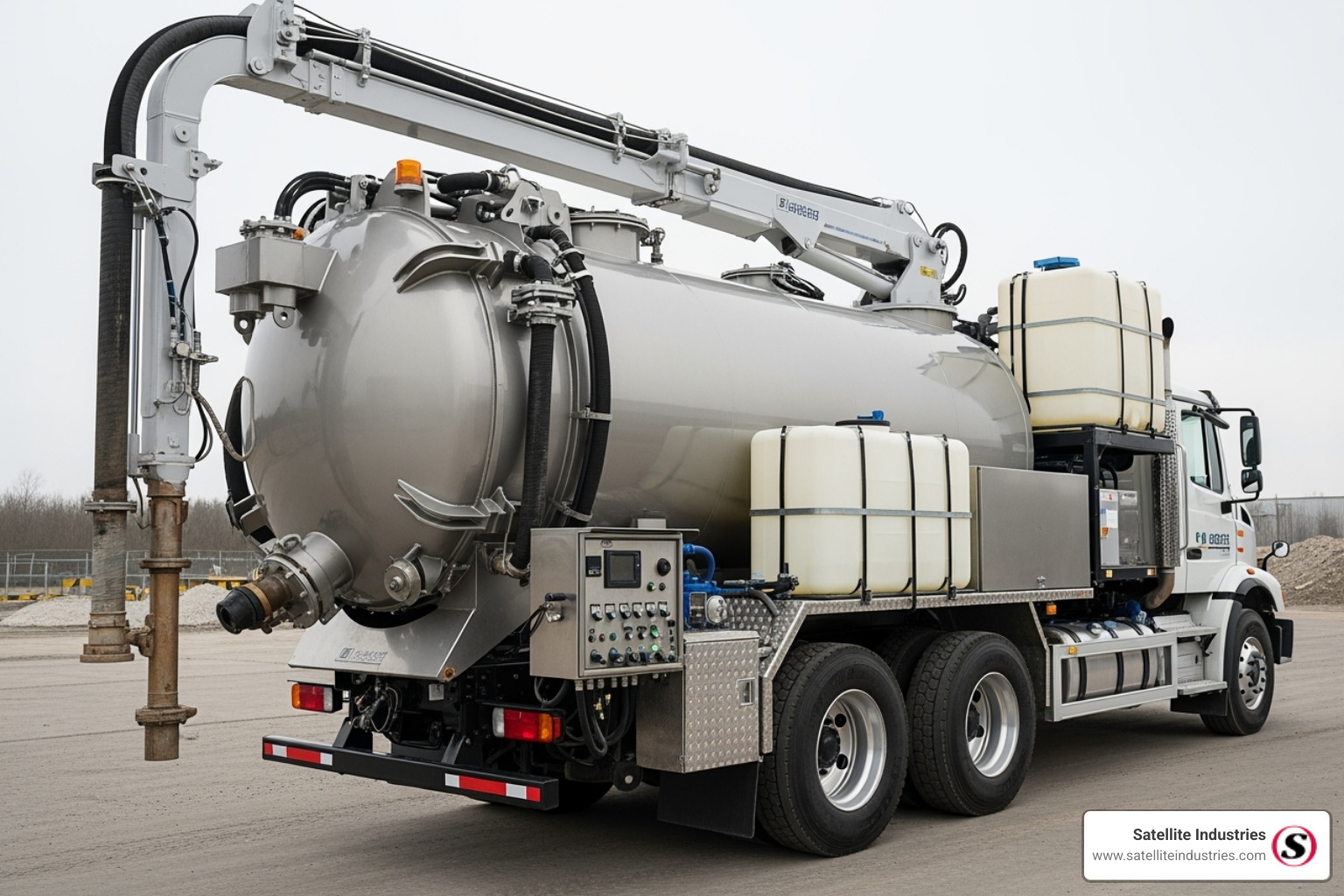
The concept is beautifully simple: high-pressure water breaks up the soil, then a powerful vacuum system removes the resulting slurry (that’s our fancy term for the water-and-soil mixture) into a debris tank. It’s like having a precision surgeon and a cleanup crew working in perfect harmony.
The Water System
This is where the magic begins – the part that does the actual digging. The water system delivers a high-pressure stream that can cut through various soil types with surgical precision.
Water tanks are your workhorses, storing anywhere from 325 gallons on compact units up to 1,500 gallons on the big industrial models. Most are crafted from durable materials like Duraprolene or cross-linked polyethylene, and manufacturers often back them with impressive warranties – sometimes up to ten years.
The high-pressure pump is truly the heart of the operation. These pumps are rated by their GPM (Gallons Per Minute) flow rate and PSI (Pounds per Square Inch) pressure. You’ll typically see pumps delivering 10 to 20 GPM at pressures between 2,500 and 4,000 PSI. That pressure is what gives you the power to efficiently break up even the most compacted soil.
Here’s where things get really clever: the onboard water heater with its impressive BTU capacity. These units, often rated between 400,000 and 714,000 BTU, heat water to optimal temperatures (usually 110° to 190°F). This heated water is your secret weapon for breaking up frozen ground and keeping your crews productive even when winter tries to shut you down. Many systems house the entire water setup in a heated enclosure to prevent freezing.
The Vacuum System
Now we get to the “cleanup crew” – the vacuum system that handles the slurry removal with impressive efficiency.
You’ll encounter two main types of vacuum systems, each with its own strengths. Positive Displacement (PD) blowers are the powerhouses, generating higher vacuum levels measured in Inches of Mercury (Hg). These are your go-to choice for deeper excavations, longer distance pulls, and handling heavier materials. PD blowers can deliver up to 28″ Hg and 6,000 CFM (Cubic Feet per Minute).
Fan systems take a different approach, typically offering lower vacuum levels but moving higher volumes of air. They’re perfect for general excavation and lighter materials, with ratings commonly ranging from 3,000 to 6,000 CFM.
The boom and hose system gives you the reach and precision you need. These articulating, telescopic booms extend 10 to 27 feet from the truck and rotate 270° to 335°, often controlled by a pendant for single-operator efficiency. The vacuum intake hose is typically 8 inches in diameter – wide enough to handle substantial material flow.
Your filtration system is the unsung hero, protecting the vacuum pump and ensuring clean exhaust. Most systems feature a cyclone separator for larger particles and dual stainless steel micro screens for finer filtration. Some include a vacuum improver and directional discharge for peak efficiency.
The Debris Tank & Chassis
These components handle containment, transport, and overall mobility – basically everything that keeps your operation moving.
The debris body is where all that excavated slurry ends up. Capacities range from 3 cubic yards for compact units up to 16 cubic yards for the largest industrial models. Most larger units fall between 8 to 16 cubic yards. These tanks feature hydraulic dumping mechanisms that tilt up to 50 degrees, and many include ejector plates for complete material removal. An automatic vacuum breaker prevents overfilling and messy spillages.
The truck chassis provides the foundation for all this sophisticated equipment. Heavy-duty manufacturers build these platforms to withstand demanding vocational work, with GVWR (Gross Vehicle Weight Rating) specifications that tell you the maximum operating weight. For example, a compact unit might have a 33,000 lb GVWR, while larger models can reach 39,000 lbs or more.
Engine types are robust diesel powerplants delivering 350 to over 500 horsepower – enough muscle for both highway travel and operating those demanding hydrovac systems. You’ll find both manual and automatic transmission options, with many operators preferring automated shifting for ease of operation.
Chassis configuration varies significantly based on your needs. Tandem, tridem, and quint axle setups help distribute weight and comply with federal bridge laws. Some configurations can handle legal payloads exceeding 27,000 pounds.
Understanding these components becomes crucial when evaluating any hydro excavation truck for sale. The right combination of water system power, vacuum performance, and chassis capability ensures you get optimal performance for your specific operational needs.
Your Guide to Finding the Right Hydro Excavation Truck for Sale
Finding the perfect hydro excavation truck for sale doesn’t have to feel overwhelming. Think of it as matching the right tool to your specific jobs – and with some insider knowledge, you’ll make a smart investment that pays dividends for years to come.
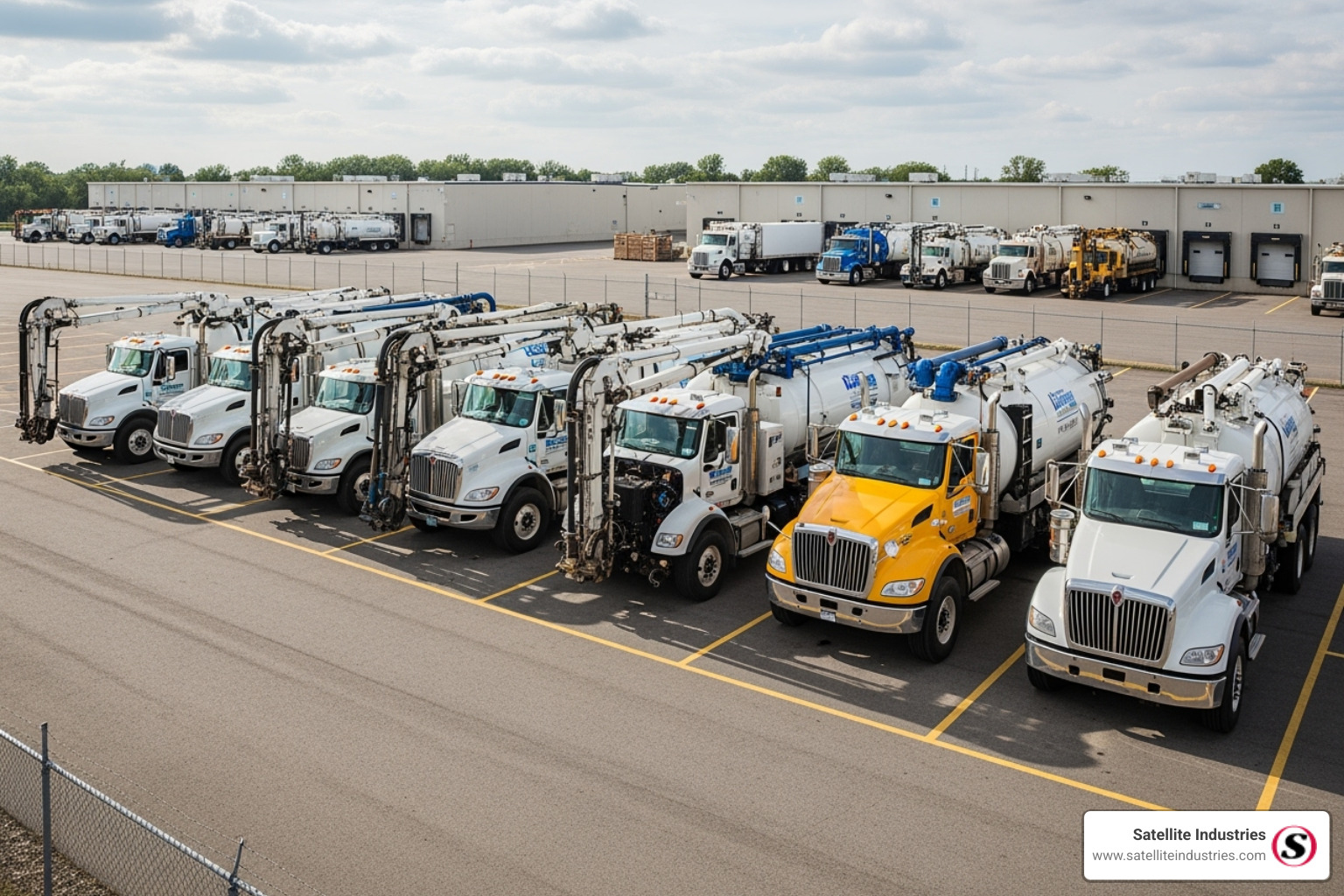
The key is understanding your fleet’s needs and knowing exactly what to look for. Whether you’re expanding your rental fleet or adding your first hydrovac, the right choice comes down to matching specifications with real-world applications.
Assessing Your Fleet’s Needs: New vs. Used Trucks
The new versus used decision often comes down to budget and risk tolerance, but there’s more to consider than just the price tag.
New trucks offer peace of mind that’s hard to put a price on. You get the latest technology, full manufacturer warranties, and favorable financing options. New 2024 models hitting the market around $575,500 might seem steep, but leasing options starting at $9,975 monthly can make the numbers work. Plus, you know exactly what you’re getting – no surprises hiding under the hood.
Used trucks tell a different story – one of value and opportunity. The market is rich with options, from $65,000 older workhorses to $330,000 well-maintained mid-range models from 2016-2020. But here’s where experience matters most.
Key inspection points can make or break a used truck purchase. Mileage ranges vary wildly – some units show under 20,000 miles while others push past 400,000. But here’s a pro tip: engine hours often matter more than odometer readings for vocational trucks. We’ve seen units with low mileage but high engine hours (over 29,000) that indicate heavy stationary use.
Vacuum system hours deserve special attention since they’re separate from engine hours. A truck might show 100,000 miles but only 1,500 vacuum hours – that’s a gem. Conversely, low chassis miles with 3,500+ vacuum hours might signal intensive excavation work.
The devil’s in the details with used equipment. An older model with frame issues despite recent engine work? Sometimes the price reflects problems you’ll inherit. Always verify specs against the actual unit and dig into maintenance records.
Matching Specs to Application: What to Look For in a hydro excavation truck for sale
Getting the specifications right means understanding how each component affects your daily operations.
Debris tank capacity determines your productivity between dumps. Small-capacity trucks like the 3 cubic yard units shine in tight urban spaces where maneuverability trumps volume. They’re perfect for utility locating and smaller repair jobs.
Mid-size trucks with 6 cubic yard capacity hit that sweet spot – enough capacity for substantial work while maintaining a compact footprint. These units often become fleet favorites because they handle 80% of jobs without the bulk of larger units.
Large-capacity trucks with 8 to 16 cubic yards are the heavy hitters. They tackle major excavation projects, deep utility work, and jobs where frequent dumping would kill productivity. The trade-off? Size and weight restrictions in some areas.
Water tank volume works hand-in-hand with debris capacity. A 325-gallon tank might suffice for quick potholing jobs, but 1,500 gallons keeps you working on major projects without constant refilling trips.
Vacuum system performance gets technical fast, but think of it this way: CFM ratings (3,000 to 6,000) move volume, while inches of Mercury (18″ to 28″ Hg) provide lifting power. Light, sandy soil? High CFM works great. Dense clay from 15 feet down? You need those higher Hg numbers.
Chassis configuration affects what you can legally haul. Tandem axle units handle standard loads, tridem axle configurations spread weight for increased capacity, and quint axle setups maximize legal payload – sometimes over 27,000 pounds. More axles mean more complexity but also more earning potential per trip.
Modern units feature NEMA-rated electrical systems for reliability, ensuring your investment keeps working in harsh conditions. These robust electrical components reduce downtime and maintenance headaches.
Where to find a hydro excavation truck for sale
The hunt for your next hydro excavation truck for sale requires knowing where to look and how to evaluate what you find.
Manufacturers offer the most straightforward path to new equipment. Direct sales or dealer networks provide full support, training, and warranty coverage. You’ll pay full price, but you get full service.
Specialized equipment dealers understand the vocational truck market inside and out. They often provide detailed specifications, maintenance histories, and sometimes even operator training. These dealers stake their reputation on equipment quality, making them valuable partners for fleet managers.
Reputable online marketplaces aggregate listings from multiple sources, letting you filter by specifications and location. The convenience is best, but the responsibility for due diligence falls squarely on your shoulders.
Auction sites can yield bargains, but they require homework. Some platforms offer inspection reports or guarantees, which can provide some confidence, but nothing beats your own eyes-on evaluation.
Due diligence remains your best protection regardless of where you buy. For used equipment, demand maintenance records, verify all hour readings, and arrange independent inspections when possible. A $500 inspection can save you $50,000 in hidden problems.
The right hydro excavation truck for sale is out there waiting for you. With clear specifications, realistic budgets, and thorough research, you’ll find equipment that powers your business forward for years to come.
Frequently Asked Questions about Hydro Excavation Trucks
When you’re considering a hydro excavation truck for sale, it’s natural to have questions about how this technology performs in real-world conditions. After 26 years in this industry, I’ve heard just about every question you can imagine. Let me share answers to the most common ones that come up when contractors are evaluating these powerful machines.
How does hydro excavation work in frozen ground?
Winter doesn’t have to mean shutting down your excavation operations. This is one of the biggest advantages of investing in a hydro excavation truck for sale – the ability to work year-round, even when the ground is frozen solid.
The secret lies in those heated water systems we discussed earlier. These aren’t just basic water heaters – we’re talking about serious heating power. Most hydrovac trucks come equipped with onboard heaters that pack between 400,000 and 705,000 BTU of heating capacity. That’s enough power to heat water to temperatures ranging from 110°F all the way up to 190°F.
When that hot, pressurized water hits frozen soil, something almost magical happens. The ice crystals melt instantly, and the compacted frozen earth breaks apart into workable slurry. It’s like watching a frozen block of ice dissolve under a hot shower – except this shower is precisely controlled and incredibly powerful.
This capability is a game-changer for maintaining productivity in cold climates. Instead of waiting for spring thaw or using more aggressive methods like frost rippers, your crews can keep working through the winter months. That means consistent revenue, shorter project timelines, and happier clients who don’t have to wait for warmer weather.
What is “daylighting” in hydro excavation?
“Daylighting” is probably the most critical application of hydro excavation technology, and it perfectly demonstrates why precision matters so much in this industry. You might also hear it called “potholing” – both terms describe the same careful process of exposing underground utilities without damaging them.
Picture this scenario: You need to install a new water line, but the plans show existing gas lines, fiber optic cables, and electrical conduits in the area. Traditional digging methods are like operating blindfolded with a sledgehammer – you might get the job done, but the risk of hitting something vital is enormous.
Daylighting uses the surgical precision of pressurized water and vacuum to carefully remove soil around utilities until they’re fully visible or “brought to daylight.” It’s methodical, controlled, and incredibly safe. The water pressure is just right – strong enough to move soil but gentle enough that it won’t damage pipes, cables, or other infrastructure.
This technique is essential for damage prevention. Utility strikes aren’t just expensive – they can be dangerous and disruptive to entire communities. Daylighting also provides accurate utility location verification, giving you visual confirmation of exactly where lines run and how deep they are. This information is invaluable for planning larger excavation projects and ensuring worker safety.
What are the main differences between a PD blower and a fan system?
When you’re shopping for a hydro excavation truck for sale, understanding vacuum systems can feel a bit overwhelming. The choice between Positive Displacement (PD) blowers and fan systems really comes down to what kind of work you’ll be doing most often.
Positive Displacement blowers are the powerhouses of the vacuum world. They excel at creating strong, deep vacuum levels measured in Inches of Mercury (Hg). Think of them as the heavy lifters – they’re perfect for deep excavation projects where you need to pull heavy, dense materials up from significant depths. They’re also your go-to choice for long-distance pulls when you need to transport slurry through hundreds of feet of hose.
These PD systems typically generate vacuum levels up to 28″ Hg while moving around 6,000 CFM of air. They’re particularly effective with wet, sticky soils or when you’re working in challenging conditions where maximum suction power is essential.
Fan systems, on the other hand, are built for high-volume air movement. They move more air (measured in CFM – Cubic Feet per Minute) but at lower vacuum levels than PD blowers. These systems shine in general excavation applications where you’re dealing with lighter, drier materials that need to be moved quickly and efficiently.
Fan systems are often two or three-stage vacuum compressors, typically offering CFM ratings from 3,000 to 6,000. While they don’t have the deep pulling power of PD blowers, they’re excellent for high-volume material removal and general-purpose excavation work.
The choice between these systems really depends on your typical job requirements. If you’re frequently doing deep utility work or dealing with heavy, wet soils, a PD blower system will serve you better. If most of your work involves general excavation with lighter materials, a fan system might be the more efficient choice.
Conclusion: Powering Your Business with the Right Equipment
After exploring everything from market pricing to technical specifications, one thing becomes crystal clear: investing in the right hydro excavation truck for sale isn’t just about buying equipment—it’s about changing how your business operates and serves your customers.
The hydro excavation industry has proven itself far beyond being just another excavation method. It’s become the profitable technology that smart fleet managers choose when they want to offer their rental customers safer, more precise, and more efficient solutions. Whether your customers are tackling frozen ground in January or carefully exposing fiber optic cables in congested urban areas, the right hydrovac delivers results that traditional digging simply can’t match.
When we talk about maximizing ROI, the numbers speak for themselves. Yes, you might invest anywhere from $65,000 for a solid used unit to over $575,000 for a brand-new model, but the returns come quickly. Fewer workers needed on job sites, reduced utility strikes, faster project completion, and the ability to work year-round all translate directly to your bottom line—and more importantly, to your customers’ success.
The key is choosing equipment built for the long haul. Durability isn’t just a nice-to-have feature; it’s essential when your equipment needs to perform day after day in challenging conditions. From the high-pressure water systems that can handle 4,000 PSI to vacuum systems pulling material from 600 feet away, every component needs to be engineered for reliability.
Advanced engineering makes all the difference, especially when it comes to user-friendliness. Your operators shouldn’t need an engineering degree to run these machines effectively. Features like single-operator pendant controls, automatic vacuum shut-offs, and heated enclosures for winter operation show how thoughtful design improves both safety and productivity.
At Satellite Industries, we’ve spent decades perfecting vacuum technology and understanding what makes equipment truly reliable in the field. While our focus remains on manufacturing portable sanitation solutions, trailers, and trucks, we know how critical robust vacuum systems are for professional operations. The same engineering principles that make our portable restroom vacuum systems dependable apply across all vacuum technology applications.
When you’re ready to improve your fleet with equipment that your customers can count on, the best investments combine proven technology with innovative design. The right hydro excavation truck for sale isn’t just another piece of equipment—it’s a partnership in your customers’ success.
Latest from the Satellite Industries Blog
Need Help {Finding the Right Sanitation Solution?}
Satellite Industries is the largest manufacturer of portable restrooms, restroom trailers, restroom trucks, septic trucks, slide-ins, unit haulers, vacuum technology, modular solutions, consumables and deodorizers.