Gear Up: Find Your Perfect Enhanced Visibility Clothing
Why Improved Visibility Clothing Matters for Worker Safety
Improved visibility clothing is specialized workwear designed to make workers more noticeable in their work environment through the use of bright colors and reflective materials. Unlike ANSI-certified high-visibility gear, improved visibility clothing offers increased conspicuity without meeting strict regulatory standards, making it ideal for lower-risk environments.
Quick Guide to Improved Visibility Clothing:
- Purpose: Increases worker visibility through bright colors and reflective tape
- Best For: Warehouses, parking lots, event staff, delivery drivers, low-speed traffic areas
- Key Features: Fluorescent fabrics, retroreflective tape, comfortable materials
- Standards: Non-ANSI rated but still safety-focused
- Cost: More affordable than ANSI-certified gear while providing meaningful protection
The statistics tell a sobering story about workplace safety. One in four “struck by vehicle” deaths involve construction workers, more than any other occupation. Meanwhile, motorcyclists face even greater risks – they’re 28 times more likely to die in a crash than occupants of other vehicles. These numbers highlight why visibility matters so much for worker protection.
Improved visibility clothing bridges the gap between standard workwear and full ANSI-rated gear. It gives your clients an affordable way to boost worker safety without the regulatory requirements of high-visibility clothing. This makes it perfect for businesses that want to prioritize safety while maintaining flexibility in their safety programs.
I’m Michelle Amelse, Vice President of Marketing and Customer Success at Satellite Industries, with over 26 years of experience in the portable sanitation industry. Throughout my career, I’ve seen how proper safety equipment – including improved visibility clothing – protects workers across construction sites, events, and industrial facilities while helping businesses build stronger safety cultures.

Understanding Improved vs. High-Visibility Clothing
Picture this: you’re walking through a busy warehouse when a forklift rounds the corner. The driver spots you immediately because you’re wearing a bright vest with reflective tape. That split-second recognition could prevent a serious accident – and that’s exactly why worker visibility matters so much in today’s workplaces.
When you’re helping clients choose the right safety apparel, understanding the difference between improved visibility and high-visibility clothing becomes crucial. Both types serve the same basic purpose: making workers stand out against their surroundings. But they’re designed for different risk levels and workplace requirements.
The goal is simple – prevent those devastating “struck by” accidents we talked about earlier. Whether it’s a construction worker near heavy machinery or a warehouse employee around moving equipment, being seen can literally save lives. OSHA recognizes this importance too, which is why they’ve issued specific guidance on when high-visibility apparel is required. You can read more about their position in An OSHA interpretation on high visibility apparel.
What is improved visibility clothing?
Think of improved visibility clothing as regular workwear’s safety-conscious cousin. It takes standard work shirts, vests, and jackets and gives them a visibility boost with bright colors and reflective tape – but without the strict rules that govern official safety standards.
This type of clothing doesn’t follow ANSI standards, which gives manufacturers more freedom to focus on comfort, style, and cost-effectiveness. You might see reflective strips placed creatively around the chest, arms, or back – wherever they’ll catch the most light and draw attention to the worker.
Improved visibility clothing works perfectly in lower-risk environments where workers need to be noticed but aren’t constantly dodging high-speed traffic or working around dangerous machinery. Picture delivery drivers, warehouse staff, or event crew members – they need that extra conspicuity to stay safe, but they don’t need the full regulatory protection of certified gear.
The beauty of this approach? Your clients get meaningful safety improvements without the higher costs or strict compliance requirements of regulated apparel.
Key Differences from ANSI-Rated High-Visibility Gear
Here’s where things get more technical – and more important for your clients’ safety decisions. ANSI-rated high-visibility gear follows the ANSI/ISEA 107 standard, which gets very specific about everything from fluorescent background colors to exact retroreflective tape placement.
These standards aren’t just suggestions – they’re precise requirements. The regulations specify minimum amounts of fluorescent material, exactly where reflective strips must be placed, and how much reflective material each garment needs. It’s like following a recipe where every ingredient matters.
ANSI standards divide high-visibility clothing into different types and classes. Type R gear is built for roadway work where traffic poses serious risks. Type O works for off-road environments with slower-moving vehicles. Type P serves public safety workers who face various hazards.
For your clients in regulated industries like road construction or emergency services, ANSI-rated gear isn’t optional – it’s required by law. But for clients running warehouses, private events, or delivery services, improved visibility clothing offers the safety benefits they need without the regulatory overhead they don’t.
It’s the difference between buying a vehicle that meets specific DOT requirements for highway use versus one that’s simply built to be safe and reliable for local driving. Both serve important purposes, but one is designed for high-stakes situations while the other handles everyday safety needs perfectly well.
Key Features to Look For in Your Improved Visibility Clothing
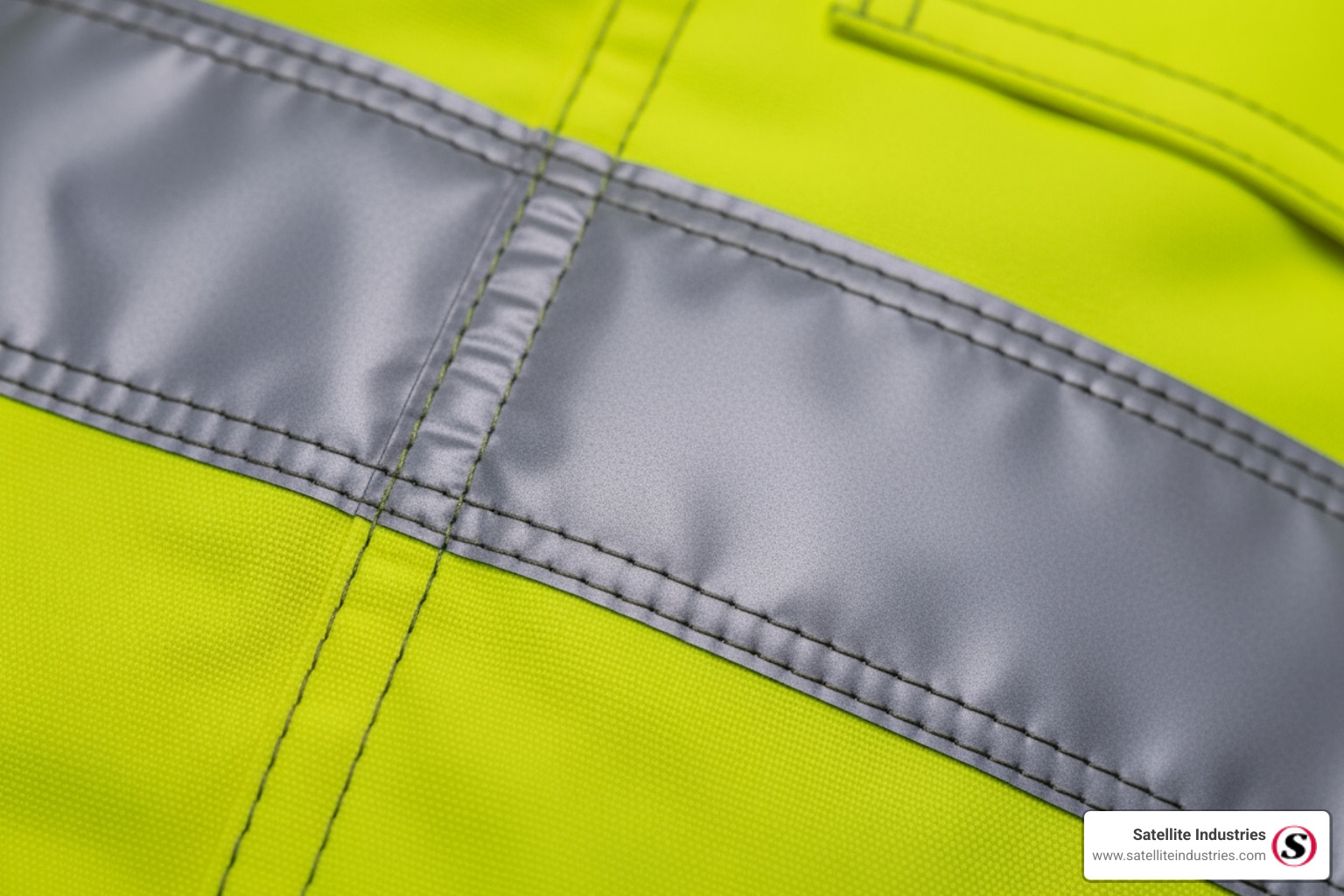
When you’re selecting improved visibility clothing for your inventory, there’s more to consider than just grabbing the brightest garment on the shelf. The best safety apparel combines smart material science with practical durability and all-day comfort. After all, if workers find their gear uncomfortable or poorly made, they’re less likely to wear it consistently – and that defeats the whole purpose of keeping them safe.
Think of it this way: you’re not just buying clothing, you’re investing in a complete visibility system. Each component – from the fabric color to the reflective tape placement – works together to create maximum conspicuity in different lighting conditions and work environments.
The Science of Sight: Colors and Contrast
Here’s something fascinating about how our eyes work: fluorescent colors don’t just look bright – they actually absorb invisible UV light and re-emit it as visible light. That’s why fluorescent yellow-green, orange-red, and traditional orange appear to “glow” during daylight hours, especially at dawn, dusk, or on overcast days when visibility naturally drops.
But here’s the key insight for your clients: the most effective color isn’t necessarily the brightest one. It’s the one that creates the strongest contrast against the work environment. If your client’s warehouse has orange equipment and signage everywhere, a fluorescent yellow-green vest will make workers stand out far better than orange would. This is where visibility becomes a strategic decision rather than just a color preference.
Improved visibility clothing gives you more flexibility here than ANSI-rated gear. You can offer options like navy blue or grey garments with contrasting fluorescent tape – combinations that many workers find more comfortable and professional-looking while still delivering significant safety benefits.
The Role of Reflective Tape in Your Improved Visibility Clothing
When the sun goes down or workers move into dimly lit areas, retroreflective tape becomes the star of the show. This isn’t your average shiny tape – it’s engineered to bounce light directly back to its source, whether that’s vehicle headlights, flashlights, or warehouse lighting.
The magic happens in the tape’s construction. Unlike a mirror that reflects light at angles, retroreflective material sends light straight back to whoever is shining it. This means a worker wearing improved visibility clothing will literally light up to drivers or equipment operators, even from considerable distances.
Strategic placement makes all the difference in effectiveness. The best improved visibility garments position reflective tape to create a recognizable human silhouette – around the torso, across the shoulders, and around the arms and legs. This 360-degree approach ensures workers remain visible whether they’re facing toward, away from, or sideways to approaching light sources.
Look for tape that’s segmented rather than solid strips. This design choice improves flexibility and prevents cracking or peeling when workers bend, stretch, or move throughout their shifts.
Fabric and Material Choices for Durability and Comfort
Let’s be honest – the safest gear in the world won’t protect anyone if it’s sitting unused because it’s uncomfortable to wear. That’s why fabric selection matters just as much as visibility features when you’re building your inventory.
Polyester remains a top choice for its durability and resistance to shrinking, stretching, and fading. It holds up well to repeated washing and maintains its shape even after months of regular use. For warmer climates or physically demanding work, mesh fabrics provide excellent breathability while still supporting reflective tape and maintaining visibility.
Modern moisture-wicking properties are game-changers for worker comfort. These fabrics pull sweat away from the skin, keeping workers dry and comfortable throughout long shifts. It’s a small detail that makes a huge difference in whether workers actually want to wear their safety gear.
Weather resistance adds value for outdoor applications. While improved visibility clothing doesn’t need to meet extreme weather standards, options with water-resistant coatings or wind-blocking capabilities give your clients more versatility. Some fabrics also offer UPF sun protection – an increasingly important feature as awareness of sun-related health risks grows.
Pay attention to construction details too. Look for tag-free designs and flat-seam construction that minimize chafing and irritation. These comfort features might seem minor, but they’re often what determines whether workers wear their safety gear consistently or try to get away without it.
Choosing the Right Gear for Different Environments
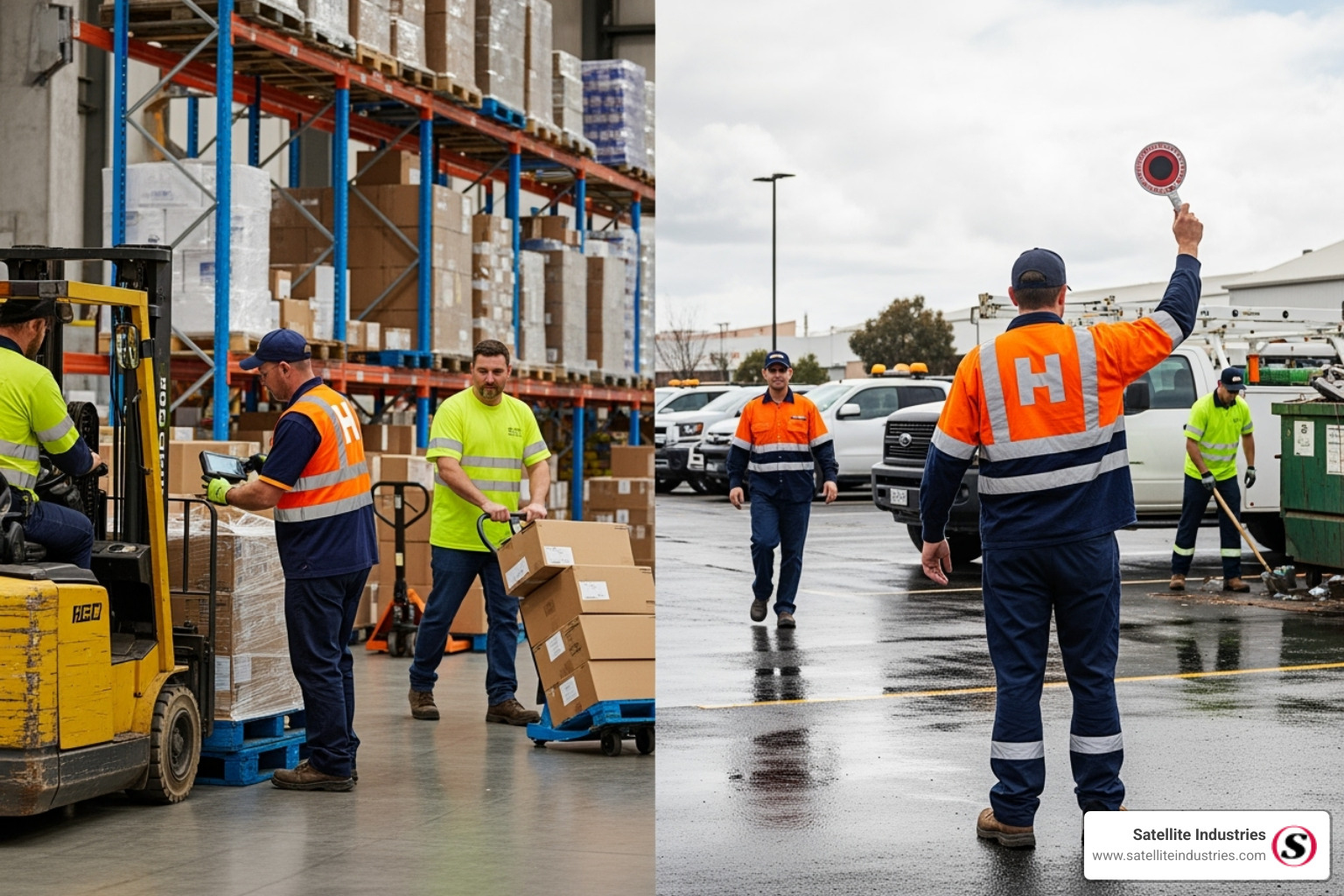
Picking the right improved visibility clothing for your clients feels a bit like being a matchmaker – you need to understand both sides of the equation. On one hand, you have the unique challenges each work environment presents. On the other, you have gear designed to tackle specific hazards while keeping workers comfortable and productive.
The secret sauce lies in conducting a thorough hazard analysis for each client’s specific needs. What looks like a simple warehouse job might involve blind corners where forklifts appear suddenly. That peaceful-looking parking lot could have delivery trucks backing up at all hours. Understanding these nuances helps you recommend the right level of protection without over-engineering the solution.
Improved visibility clothing shines brightest in environments where versatility matters. Unlike rigid ANSI requirements, this gear adapts to varied client requirements while maintaining its core safety mission. Think of it as the Swiss Army knife of safety apparel – practical, reliable, and ready for multiple scenarios.
Matching Apparel to Work Environments
Warehouses and distribution centers present fascinating visibility challenges. Even with excellent lighting, shadows lurk behind towering shelves and equipment creates visual obstacles. Workers moving between aisles can disappear from a forklift operator’s view in seconds. Improved visibility clothing like vests with strategic reflective striping helps workers pop against busy backgrounds, especially when they’re reaching for items or working in those tricky corner areas.
Event staff and parking lot attendants face a different puzzle entirely. They’re constantly interacting with the public while managing vehicle flow in areas where everyone’s attention is divided. A bright polo or vest doesn’t just make them safer – it makes them more approachable and professional-looking. Attendees can spot them easily when they need directions, and drivers can see them clearly when backing out of tight spaces.
Delivery drivers live in a world of constant transitions. One minute they’re navigating a busy loading dock, the next they’re walking across a customer’s parking lot at dawn. Their improved visibility clothing needs to work in multiple lighting conditions and environments throughout a single shift. A comfortable jacket or long-sleeve shirt with reflective elements provides that all-day protection without the bulk of heavy-duty gear.
Landscaping and grounds maintenance crews work in surprisingly dynamic environments. They’re around mowers, trucks, and other equipment while also being visible to passing pedestrians or vehicles. The natural backgrounds they work against – grass, mulch, trees – can easily camouflage standard work clothes. Improved visibility clothing helps them stand out against these organic backgrounds while staying comfortable during physical work.
The magic happens when you match the clothing intensity to the risk level. Low-speed traffic areas don’t need the same protection as highway work zones, but they still benefit tremendously from increased conspicuity.
Combining Visibility with Other Safety Features
Modern safety doesn’t believe in single-purpose solutions anymore, and neither should your inventory. Today’s improved visibility clothing often tackles multiple hazards simultaneously, giving your clients more bang for their safety buck.
Flame resistance (FR) protection combined with improved visibility creates powerful protection for utility workers, chemical plant employees, and oil field crews. These workers face flash fire risks while also needing to remain visible to equipment operators and colleagues. The retroreflective tape on FR garments uses special materials that maintain their reflective properties even after exposure to heat – a crucial detail that separates quality gear from cheap alternatives.
Arc flash protection takes electrical safety seriously while maintaining visibility standards. Workers servicing electrical equipment need protection from sudden energy releases, but they also need to be seen by others in the area. This dual protection prevents both electrical injuries and struck-by incidents in industrial settings.
UPF sun protection addresses a growing concern for outdoor workers. Many improved visibility clothing options now offer UPF 50+ ratings, protecting skin from harmful UV rays during long shifts in direct sunlight. This feature particularly appeals to clients whose workers spend entire days outdoors, from construction crews to event setup teams.
Insect repellent technology built into fabric might sound futuristic, but it’s increasingly practical for workers in areas with mosquitoes, ticks, or other biting insects. Some improved visibility clothing incorporates permethrin or other repellent treatments that last through multiple washes, keeping workers comfortable and focused on their tasks rather than swatting bugs.
The beauty of multi-hazard improved visibility clothing lies in its efficiency. Instead of layering multiple pieces of protective equipment, workers get comprehensive protection in a single, comfortable garment. This approach reduces compliance headaches for your clients while ensuring their workers stay protected against the full range of hazards they might encounter.
Top Types of Improved Visibility Apparel for Your Inventory
Building a comprehensive inventory of improved visibility clothing means understanding what your clients need most. After years of working with businesses across different industries, I’ve seen which garments consistently deliver the best value and protection for workers.
Vests are the workhorses of visibility gear. They’re lightweight, incredibly versatile, and can transform any worker into a more visible presence on the job site. Your clients love them because they slip easily over existing uniforms without requiring a complete wardrobe change. Whether it’s a delivery driver making quick stops or warehouse staff moving between shifts, vests provide instant 360-degree visibility with bright fluorescent colors and strategically placed reflective tape.
For warmer weather and indoor environments, improved visibility t-shirts and polos become essential. These garments offer built-in protection without the bulk of layering. The key is finding options with moisture-wicking fabrics that keep workers comfortable during long shifts. When workers feel good in their gear, they’re more likely to wear it consistently. Look for designs with segmented reflective tape that moves with the body – it’s these small details that make a big difference in worker acceptance.
When temperatures drop or weather turns nasty, jackets and sweatshirts with improved visibility features keep workers both warm and safe. These garments need to do double duty – protecting against the elements while maintaining high visibility. The best options include practical features like secure pockets for tools and phones, durable zippers that won’t fail in harsh conditions, and collars that actually protect against wind and rain.
Don’t overlook the importance of lower-body visibility. Pants and coveralls with reflective striping are crucial for workers who spend time near ground-level machinery or in areas where they might be approached by vehicles from multiple angles. Coveralls are particularly valuable for your clients in maintenance and mechanical work – they provide head-to-toe protection and visibility in one convenient garment.
The beauty of improved visibility clothing lies in its flexibility. Unlike rigid ANSI-rated gear, these options give you room to match specific client needs with practical solutions. A well-stocked inventory of these core garments ensures you can outfit any workforce, from event staff directing parking to warehouse teams managing inventory.
Care and Maintenance: Maximizing Lifespan and Effectiveness
When you invest in quality improved visibility clothing for your clients, you want that investment to last. The truth is, even the best gear won’t protect workers if it’s faded, torn, or has reflective tape that’s lost its shine. Proper garment longevity starts with understanding how these specialized materials work and what can damage them.
Think of improved visibility clothing like a high-performance tool. Just as you wouldn’t leave expensive equipment out in the rain or use harsh chemicals on precision instruments, visibility gear needs thoughtful care to maintain its effectiveness. The fluorescent colors that make workers stand out during the day can fade with improper washing. The retroreflective tape that saves lives at night can crack or peel if exposed to too much heat.
Reflectivity preservation is especially critical because it’s not always obvious when it’s declining. A vest might look fine to the naked eye, but if the reflective tape has lost even 50% of its effectiveness, a worker could be invisible to an approaching vehicle’s headlights. That’s why establishing clear inspection protocols is so important for your clients.
We recommend encouraging your clients to check their improved visibility clothing regularly – ideally weekly for heavily used items. They should look for fading in fluorescent colors, tears or fraying, and any damage to reflective tape like cracking, peeling, or areas that look dull. A simple test is to shine a flashlight on the tape in a dark room – it should light up brightly and evenly.
As a general rule, a worker wearing the same improved visibility clothing daily might need replacement after six months of regular use. Items used less frequently can last a year or more with proper care. The key is replacing garments before their safety features are compromised.
Best Practices for Washing and Storage
The way your clients care for their improved visibility clothing makes all the difference in how long it stays effective. Poor washing habits are probably the biggest threat to these specialized garments.
Mild detergent is your friend here. Harsh chemicals, bleach, and fabric softeners are enemies of visibility gear. These products can break down the special dyes in fluorescent fabric and damage the adhesive that holds reflective tape in place. It’s like using sandpaper when you need a soft cloth.
We always tell our clients to check care labels first – manufacturers know their products best. But some universal truths apply to most improved visibility clothing. Washing these items separately prevents color bleeding and keeps lint from other clothes from sticking to the reflective tape. Nobody wants a safety vest that looks like it went through a cotton candy machine.
Low-heat drying is crucial for maintaining reflectivity. High heat is the enemy of retroreflective tape. Think about it – this tape is made of tiny glass beads or prismatic materials held in place with specialized adhesives. Blast them with hot air from a dryer, and you’re asking for trouble. The tape can crack, peel, or lose its ability to bounce light back effectively.
Air drying is always the safest option when possible. If you must use a dryer, keep it on the lowest heat setting and remove items while they’re still slightly damp to finish air drying.
Storage guidelines are simpler but just as important. Keep improved visibility clothing in a cool, dry place away from direct sunlight when not in use. UV light that’s great for making fluorescent colors pop during work can actually fade them over time when the garment is just hanging around. A simple closet or storage room works perfectly.
Proper storage also means hanging items properly to maintain their shape and avoid unnecessary creasing that could stress the reflective tape. Folding is fine for short-term storage, but try to avoid creating permanent creases right through reflective stripes.
By following these straightforward care practices, your clients can get the maximum value from their improved visibility clothing investment while keeping their workers safe and visible day after day.
Conclusion: Equipping Your Clients for Safety and Success
The workplace safety landscape continues to evolve, and your role as a distributor and rental company puts you at the forefront of protecting workers across countless job sites. When you provide improved visibility clothing to your clients, you’re not just delivering another product – you’re giving them a practical tool that can genuinely save lives.
Throughout this guide, we’ve walked through the essential knowledge you need to serve your clients effectively. You now understand how improved visibility clothing differs from ANSI-rated gear, making it perfect for those lower-risk environments where full compliance isn’t required but safety still matters. We’ve covered the science behind why certain colors and reflective materials work so well, and explored the key features that separate quality garments from basic options.
The real value comes down to this: your clients want to protect their workers without unnecessary complexity or cost. Improved visibility clothing gives them exactly that – a straightforward safety solution that workers will actually wear because it’s comfortable and practical.
Think about the warehouse manager who needs to keep forklift operators visible around tight corners, or the event coordinator managing staff in busy parking areas. These clients don’t need the full regulatory weight of ANSI-certified gear, but they absolutely need their people to be seen. When you stock quality improved visibility clothing with proper reflective tape placement and durable, comfortable fabrics, you’re solving real problems for real people.
The maintenance aspect we discussed isn’t just about extending garment life – though that certainly helps your clients’ bottom line. When reflective tape starts peeling or fluorescent colors fade, the safety benefit disappears. By educating your clients on proper care, you’re ensuring the gear continues doing its job long after the initial purchase.
At Satellite Industries, our commitment to advanced engineering for durability and user-friendliness shapes everything we do. Just as our portable sanitation solutions are built to withstand demanding environments while remaining easy to use, we approach safety equipment with the same philosophy. Quality matters, especially when worker safety is on the line.
Your clients trust you to supply gear that works. When you provide them with reliable improved visibility clothing, you’re helping them build stronger safety cultures, reduce accident risks, and show their workforce that protection matters. That’s the kind of partnership that builds lasting business relationships.
Ready to explore options for your inventory? Explore our full range of safety apparel and let’s work together to keep more workers safe.
Latest from the Satellite Industries Blog
Need Help {Finding the Right Sanitation Solution?}
Satellite Industries is the largest manufacturer of portable restrooms, restroom trailers, restroom trucks, septic trucks, slide-ins, unit haulers, vacuum technology, modular solutions, consumables and deodorizers.