Don't Get Dirty: A Guide to Construction Site Sanitation Compliance
Construction site sanitation: 2025 Compliance Guide
Why Construction Site Sanitation is Critical for Safe and Compliant Operations
Construction site sanitation is the foundation of a safe, productive, and compliant job site. Without it, workers face serious health risks, projects face delays from regulatory violations, and companies risk costly OSHA penalties.
Key compliance areas include providing one toilet per 20 workers, accessible handwashing stations, potable drinking water, regular facility servicing, and proper waste disposal. The stakes are high: millions of workers are exposed to harmful substances, and contact dermatitis accounts for up to 95% of occupational skin diseases.
Poor sanitation also destroys productivity. Wasted time, higher absenteeism, and lower morale are the direct results of inadequate facilities. Conversely, a clean site with proper sanitation sees fewer sick days, reduced liability, and improved worker retention. Prioritizing sanitation compliance is not just about avoiding fines—it’s about creating an environment that attracts and retains skilled labor.
I’m Michelle Amelse, Vice President of Marketing and Customer Success at Satellite Industries. With over 26 years in the portable sanitation industry, I’ve seen how proper construction site sanitation planning transforms job sites from liabilities into safe, productive work environments.

Glossary for Construction site sanitation:
Mastering Construction Site Sanitation: A Compliance Checklist for Operators
Compliance with construction site sanitation regulations is about fostering a healthy, efficient, and respectful work environment. As a sanitation provider, you are crucial in helping construction companies meet these standards.
Meeting OSHA and Regulatory Standards
The Occupational Safety and Health Administration (OSHA) sets clear guidelines to protect workers. Adhering to these is paramount.
- Toilet-to-Worker Ratios: OSHA requires a minimum number of facilities based on crew size.
- 1-20 workers: At least one toilet.
- 20+ workers: One toilet and one urinal for every 40 workers.
- 200+ workers: One toilet and one urinal for every 50 workers.
- Mixed-Gender Sites: Separate facilities are required for each sex if there are 20 or more employees of both genders.
- Pro-Tip: For optimal comfort and efficiency, industry best practices suggest one unit per ten workers for a 40-hour work week.
- Accessibility and Placement: Facilities must be reasonably accessible. On multi-story projects, toilets should be available on every third floor and within 200 feet horizontally of all employees. Some regulations (e.g., Federal workplaces, British Columbia) require toilets within 60 meters. For mobile crews, transportation must be available to a restroom less than 10 minutes away. Importantly, employers cannot impose unreasonable restrictions on restroom use.
- What Makes a Restroom “Compliant”? Quantity isn’t enough; quality matters. A facility is only considered “available” if it is:
- Clean and sanitary.
- Well-lit and ventilated.
- Secure, private, and protected from the elements.
- Spacious enough for easy movement.
- Made with surfaces that are easy to clean.
By ensuring these requirements are met, we help our construction clients comply with federal and local regulations, protecting their workers and their business. For more detailed information, consult OSHA’s official guidance on workplace sanitation.
Essential Facilities Beyond the Basics
A comprehensive construction site sanitation plan includes more than just toilets.
- Handwashing Stations: This is the first line of defense against illness. Construction workers are exposed to chemicals, biological hazards, and other harmful substances. OSHA mandates washing facilities for these workers. Stations must include:
- Clean, tepid water.
- Soap or a cleansing agent.
- Individual hand towels or air dryers.
- Note: Waterless cleansers with at least 60% alcohol are useful supplements but are not an adequate substitute for soap and water when hands are soiled. For more, see these Best practices for hand washing.
- Potable Drinking Water: Access to safe drinking water is vital to prevent dehydration and heat stress.
- Water must be accessible (ideally within 200 meters).
- Containers must be tightly closed, equipped with a tap, and cleaned weekly.
- Common drinking cups are prohibited.
- Non-potable water sources must be clearly labeled as unsafe for drinking, washing, or cooking.
- Changing Rooms and Showers: These are indispensable for workers handling hazardous materials.
- Showers are required where skin could be contaminated. They allow workers to wash away harmful substances, preventing skin irritation.
- Changing rooms are required where employees wear protective clothing, providing a clean space for personal belongings.
Best Practices for Maintaining Construction Site Sanitation
Providing facilities is the first step; proper maintenance is the key to success. Consistent servicing ensures hygiene, compliance, and worker satisfaction.

- Servicing Frequency: The general rule is at least weekly service. However, large crews, high temperatures, or long-term projects may require a more frequent schedule. Daily cleaning is often recommended for high-traffic sites.
- A Comprehensive Cleaning Approach: Effective servicing goes beyond pumping.
- Thorough Cleaning: Wash down all interior surfaces with disinfectant.
- Waste Disposal: Handle and dispose of all waste according to environmental regulations. Provide lidded garbage cans and ensure regular collection.
- Supply Replenishment: Restock toilet paper, soap, hand sanitizer, and paper towels.
- Prompt Repairs: Quickly fix leaks, broken locks, or other damage. A non-functional unit is a non-compliant unit.
- Seasonal Considerations: In colder climates, winterize units with insulation or heating elements to prevent freezing and ensure year-round usability.
- Audits and Reporting: Regular hygiene audits help ensure compliance. Encourage workers to report issues promptly and have a clear protocol for addressing them.
Promoting Health, Safety, and Hygiene On-Site
Proper construction site sanitation is about cultivating a culture of health and safety.
- Impact on Worker Health: Clean facilities and good hygiene practices prevent the spread of infectious diseases, reduce occupational skin diseases like contact dermatitis, and minimize exposure to biological hazards. This leads to fewer sick days and higher productivity.
- PPE and Hygiene: Personal Protective Equipment (PPE) is a critical barrier against hazards. Integrate PPE use with hygiene by training workers to wash hands after removing gloves and to clean protective gear regularly to prevent cross-contamination.
- Encouraging Good Hygiene: Employers can promote hygiene through:
- Regular training and “Toolbox Talks.”
- Clear signage and reminders.
- Keeping supplies like soap and towels well-stocked.
- Leading by example.
- Mental Health and Dignity: Poor sanitation negatively impacts morale and mental well-being. Unsanitary conditions can cause stress and a feeling of disrespect. Clean, well-maintained facilities contribute to a positive work environment and a sense of dignity among workers.
Partnering for Success: How PROs Can Lift Site Safety and Productivity
As a Portable Restroom Operator (PRO), you are an indispensable partner in construction site sanitation. You deliver solutions that transform job sites from liabilities into models of safety and efficiency.
The True Cost of Non-Compliance
When construction site sanitation fails, the costs are high and multifaceted.
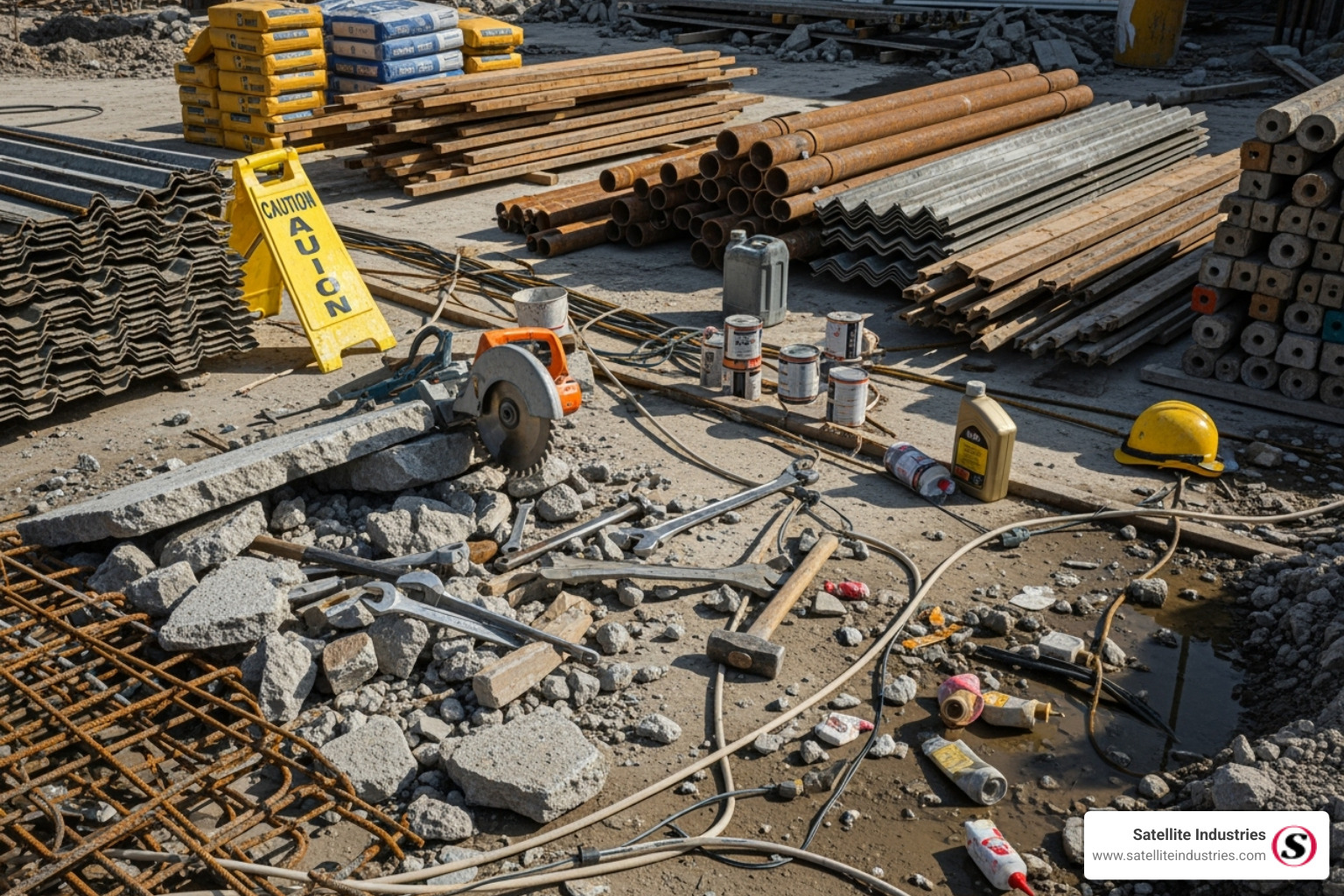
I’ve seen companies learn this the hard way. Poor sanitation leads directly to:
- Project Delays: Sick workers and contaminated sites bring progress to a halt. A single outbreak of gastrointestinal illness can sideline an entire crew.
- Legal Penalties: OSHA fines for sanitation violations can run into thousands of dollars per violation, and severe cases can lead to project shutdowns.
- Lost Productivity and Morale: Unsanitary conditions distract workers, increase absenteeism, and create a toxic work environment where employees feel their basic dignity is ignored.
- Health Hazards: Unpleasant odors and pest attraction are more than just a nuisance; they are legitimate health hazards.
Poor construction site sanitation isn’t just about dirty bathrooms—it’s about lost profits, damaged reputations, and a failure to protect workers.
Your Role in Building a Better Work Environment for Construction Site Sanitation
Your expertise is a lifeline for construction managers navigating complex regulations. You can advise on correct ratios and placement, recommend specialized units like hi-rise or crane-hook accessible models, and ensure handwashing stations are properly located. You become their compliance coach, explaining servicing needs and helping them select the right facility types, from standard units to ADA-compliant restrooms and shower trailers.
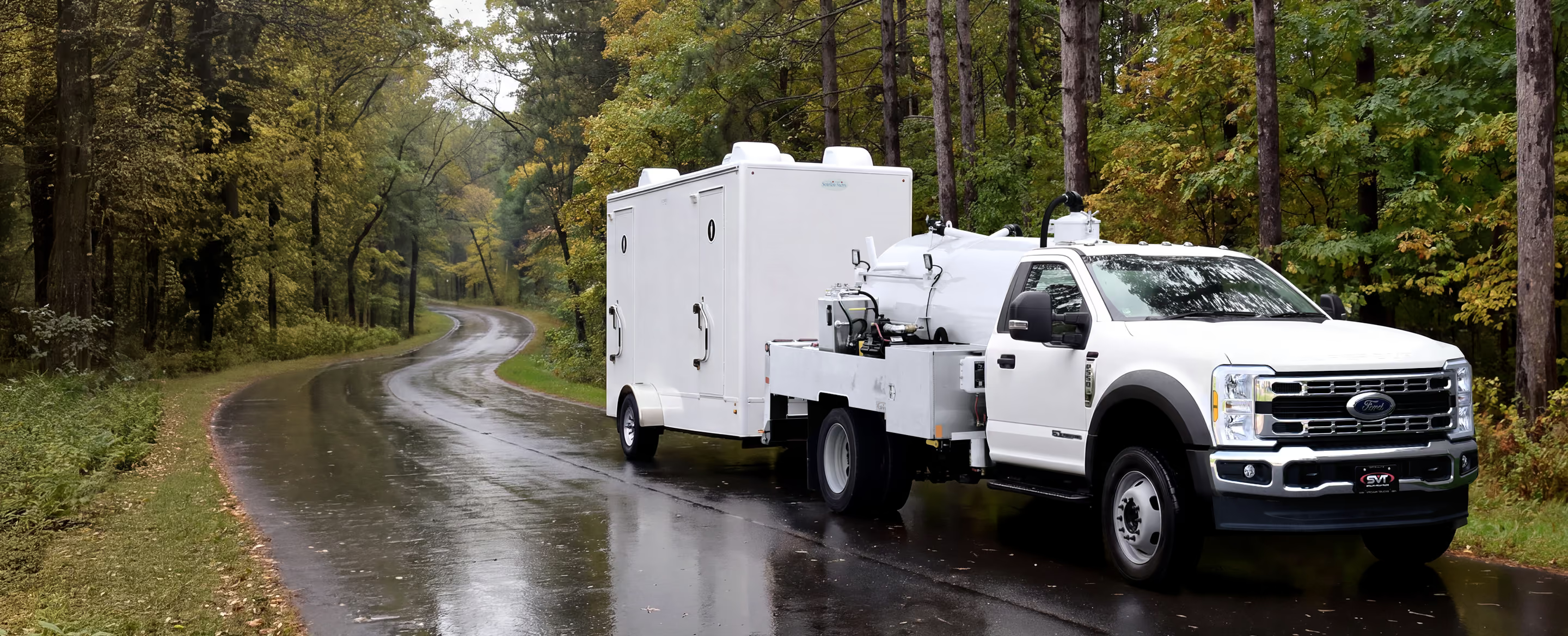
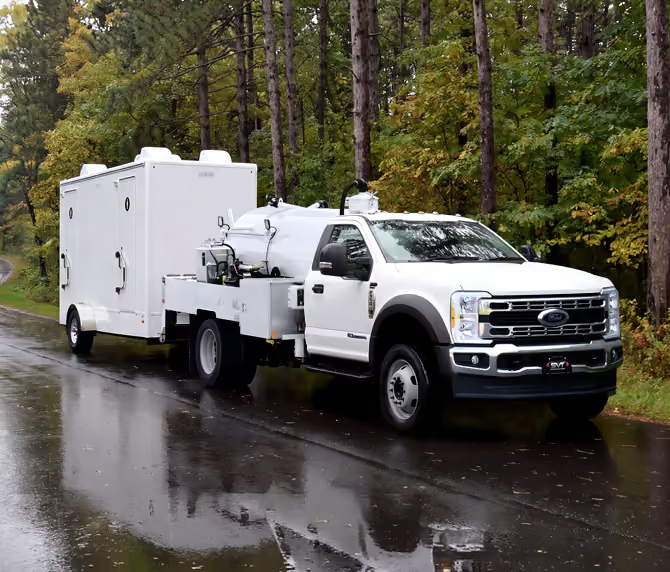
The quality of your equipment is critical. That’s why we focus on advanced engineering for durability and user-friendliness in every Satellite Industries product. When you provide our portable restrooms, trailers, trucks, or vacuum technology solutions, you’re offering the reliability that construction sites demand. Our products are built to withstand tough conditions, meaning fewer breakdowns for you and consistent service for your clients. Superior engineering provides peace of mind.
By helping a construction company achieve proper construction site sanitation, you help workers feel respected, keep projects on schedule, and build relationships with clients who see you as an essential partner. When you get it right, everyone wins: workers are healthier, projects run smoother, and your business grows.
Explore durable sanitation solutions and find how our products can help you deliver service that transforms construction sites and builds lasting partnerships with your clients, no matter where they’re located around the globe.
Latest from the Satellite Industries Blog
Need Help {Finding the Right Sanitation Solution?}
Satellite Industries is the largest manufacturer of portable restrooms, restroom trailers, restroom trucks, septic trucks, slide-ins, unit haulers, vacuum technology, modular solutions, consumables and deodorizers.