The ABCs of Disaster Preparedness: Water, Food, and Sanitation Sorted
Understanding the Core of Disaster Relief: Water, Food, and Sanitation
When disaster strikes, understanding the components of disaster relief water food sanitation becomes critical. These three pillars form the absolute foundation for survival and recovery in any emergency situation. Without immediate attention to these basic human needs, secondary crises like disease outbreaks and malnutrition can quickly arise.
The essential components of disaster relief for water, food, and sanitation include:
- Water: Providing safe drinking water and ensuring adequate supplies for hygiene. This involves sourcing, purification, and efficient distribution.
- Food: Delivering non-perishable, nutritious food to prevent hunger and support physical strength. Considerations include storage, safety, and nutritional needs.
- Sanitation: Implementing critical hygiene practices and facilities to prevent the spread of disease. This covers waste management, personal hygiene, and disease control.
Together, these elements protect public health and maintain human dignity during the chaos of a disaster. Neglecting any one of them can undermine the effectiveness of the entire relief effort.
As the Vice President of Marketing and Customer Success at Satellite Industries, my 26 years of experience in the portable sanitation industry have given me deep insight into the practical challenges and solutions surrounding the components of disaster relief water food sanitation. I’m here to share what I’ve learned about building resilient systems for your business.
The Lifeline: Securing Safe Water in Emergencies
When disaster strikes, water becomes everything. It’s not just about having something to drink – though that’s obviously critical. Clean water prevents disease, maintains dignity, and gives people hope when everything else feels uncertain. As one of the core components of disaster relief water food sanitation, securing safe water can literally mean the difference between life and death.
I’ve seen how quickly water challenges can spiral out of control during emergencies. One contaminated source can affect thousands of people. One broken distribution system can leave entire communities vulnerable. That’s why getting water right from day one is absolutely essential.
Immediate Water Priorities and Standards
The math here is pretty straightforward, but the execution can be anything but simple. Every person needs at least 15 liters of water per day – that’s the recognized global standard for humanitarian response. This isn’t just for drinking; it covers cooking, basic hygiene, and staying healthy.
But here’s what makes it tricky: pregnant women need more. Kids in hot weather need more. Anyone who’s sick definitely needs more. So while 15 liters is our baseline, smart planning means preparing for higher demands.
The first 72 hours are make-or-break. Relief teams need to rapidly assess what’s available. Are the groundwater wells still functioning? Did floodwater contaminate the surface water? Is the municipal system completely down, or can parts of it be salvaged?
I always think about the most vulnerable people first – children, elderly folks, anyone with health conditions. They can’t wait for water systems to be rebuilt. They need safe water right now, and they need it to be easily accessible. A water distribution point that requires a two-mile walk isn’t going to work for everyone who needs it.
Water Treatment and Distribution Methods
Getting water to people is one challenge. Making sure that water won’t make them sick is another challenge entirely. Both have to happen simultaneously, and both have to happen fast.

Water trucking is often the first solution that comes to mind, and for good reason. When everything else has failed, trucks can bring safe water directly to where people need it. It’s not sustainable long-term, but it buys precious time while more permanent solutions are put in place.
For larger operations, bulk chlorination becomes essential. Adding chlorine to large volumes of water kills most of the nasty stuff that can make people sick. It’s not glamorous, but it works. The key is getting the dosage right – too little and pathogens survive, too much and the water tastes terrible and people won’t drink it.
Large-scale filtration units are game-changers when they’re available. These systems can process thousands of gallons per hour, removing everything from dirt and debris to harmful microorganisms. They’re particularly valuable because they tackle turbidity – that cloudiness in water that can actually protect pathogens from disinfection.
On the household level, point-of-use filters put power directly in people’s hands. Families can treat their own water, which gives them control and reduces dependence on centralized systems. Even simple solutions like straining water through clean cloth can remove surprising amounts of harmful bacteria.
But here’s something people often overlook: safe storage matters just as much as purification. Crystal-clear, perfectly treated water can become dangerous again if it’s stored in dirty containers or left uncovered. Clean, covered storage containers are non-negotiable.
Water quality testing keeps everyone honest. We monitor free residual chlorine levels to ensure disinfection is working. We test for bacterial contamination to catch problems before they spread. It’s detailed work, but it’s the only way to know for certain that the water we’re providing is actually safe.
The goal is simple: at least one gallon per person per day, with a minimum three-day supply always available. When you’re dealing with the components of disaster relief water food sanitation, water security gives everything else a fighting chance.
Sustenance Under Strain: Managing Emergency Food Supplies
When disaster strikes and normal food systems collapse, securing adequate and safe food supplies becomes another critical component of disaster relief water food sanitation. It’s not just about preventing hunger – proper nutrition maintains energy levels, supports immune systems, and gives people the strength they need to recover and rebuild.
The challenge goes far beyond simply distributing calories. We’re dealing with compromised supply chains, damaged storage facilities, and populations with diverse dietary needs, all while ensuring every meal distributed is safe to eat.
Ensuring Food Safety and Quality
Disasters have a nasty way of turning perfectly good food into a health hazard. Power outages leave refrigerators warming up, floodwaters contaminate everything they touch, and damaged buildings can expose food supplies to all sorts of contaminants.

Non-perishable foods become our lifeline in these situations. Canned goods, energy bars, and dried foods form the backbone of emergency food supplies because they can survive without refrigeration and require minimal preparation. The key is proper storage – these items need to stay in cool, dry, dark places, ideally between 40°F and 70°F, away from direct sunlight and heat sources.
Power outages create a race against time. A closed refrigerator will keep food cold for about 4 hours, while a full freezer can maintain safe temperatures for up to 48 hours (24 hours if it’s only half full). We always recommend keeping appliance thermometers handy to monitor temperatures. Any perishable food that’s been above 40°F for more than 4 hours has to go – it’s simply not worth the risk.
Flood contamination is particularly tricky. Any food that has touched flood or stormwater is considered unsafe, regardless of its packaging. Even commercially canned foods need special treatment: remove labels, wash with hot soapy water, rinse thoroughly, sanitize with a bleach solution (1 tablespoon bleach per gallon of water), and use promptly. Home-canned foods that have been flood-exposed can’t be salvaged and must be discarded.
The temperature danger zone – between 40°F and 140°F – is where harmful bacteria multiply rapidly. This is why we’re so strict about food storage temperatures and why time limits matter so much during power outages.
For comprehensive guidance on handling these challenges, the CDC’s resource on Food and Water Safety After a Disaster or Emergency provides invaluable detailed information.
Distribution and Nutritional Support
Getting safe food to people is only half the battle. Effective distribution means understanding that different people have different nutritional needs, and one size definitely doesn’t fit all.
Culturally appropriate food matters more than you might think. Providing familiar foods helps maintain dignity and ensures people will actually eat what’s distributed. There’s no point in delivering nutritious meals that sit untouched because they’re unfamiliar or conflict with dietary restrictions.
Special dietary needs require careful attention. Infants need formula, pregnant women need additional nutrients, elderly people may have difficulty chewing, and individuals with diabetes or other medical conditions need foods that won’t worsen their health. Children who are already malnourished are particularly vulnerable and need immediate, targeted nutritional support.
We typically organize distribution through general food distribution (GFD) programs that provide basic rations to the broader population. But when malnutrition becomes severe, we implement more targeted approaches. Supplementary feeding programs help moderately malnourished individuals, while therapeutic feeding centers provide specialized, high-energy, nutrient-dense foods for those with severe acute malnutrition.
The goal is always to provide at least 2,100 calories per person per day – that’s the minimum needed to sustain basic health during an emergency. But calories alone aren’t enough; the food needs to provide essential vitamins and minerals too.
Supply chain management becomes crucial when you’re trying to get food from donors and suppliers to the people who need it. This requires coordination between multiple organizations, careful planning of storage and transportation, and often the involvement of local communities who understand the area and can help identify the most vulnerable populations.
The most successful food distribution efforts are those that can adapt quickly to changing conditions while maintaining strict safety standards. It’s a delicate balance between speed and safety, but both are essential when people’s lives depend on it.
The Sanitation Shield: Preventing Disease Outbreaks
Now, let’s talk about the third crucial piece of the puzzle, often overlooked but incredibly important: sanitation. This is the sanitation shield that protects everyone. Without proper ways to manage waste and promote good hygiene, areas hit by disaster can quickly become breeding grounds for disease. This can turn a tough situation into a full-blown catastrophe. Effective sanitation is absolutely vital among the components of disaster relief water food sanitation.
Critical Sanitation and Hygiene Practices
Our main goal with sanitation is to stop disease outbreaks before they even start. We’re especially worried about illnesses that spread through contaminated water or waste, like cholera, typhoid, and dysentery. These diseases can spread super fast when hygiene is poor. Think of it like this: there are “5 Fs” that help diseases spread – Fluids, Fingers, Flies, Fields (contaminated ground), and Floods. By tackling these pathways head-on, we can drastically cut down health risks.
Implementing good sanitation and hygiene practices means focusing on several key areas. First and foremost is handwashing. It’s probably the simplest thing we can do, but it makes the biggest difference! We really push for proper handwashing with soap and clean water for at least 20 seconds, especially after using the toilet and before touching food. Setting up easy-to-use handwashing stations is a game-changer.
We also make sure to provide hygiene kits. These are little bundles of essential items like soap, clean towels, toothbrushes, and even specific supplies for menstrual hygiene management. Giving people these tools helps them keep clean and maintain their dignity, which is so important during difficult times.
Next up is dealing with waste. Proper solid waste disposal is a must. If garbage piles up, it attracts pests and pollutes the environment. We help set up clear collection points and make sure trash is removed regularly. Then there’s wastewater management. This means safely getting rid of greywater (from washing) and blackwater (sewage) to stop germs from spreading. This might involve simple soak pits or more advanced collection tanks. Finally, we focus on vector control. This means taking steps to control insects like flies and mosquitoes, and also rodents, because they can carry diseases. Good waste management plays a big role in keeping these pests away.
Essential Sanitation Facilities and Equipment
To make all these practices possible, we rely on tough, reliable sanitation facilities that can be set up quickly. This is where our team at Satellite Industries truly shines! We design and build equipment specifically for these challenging situations, focusing on both durability and user-friendliness.
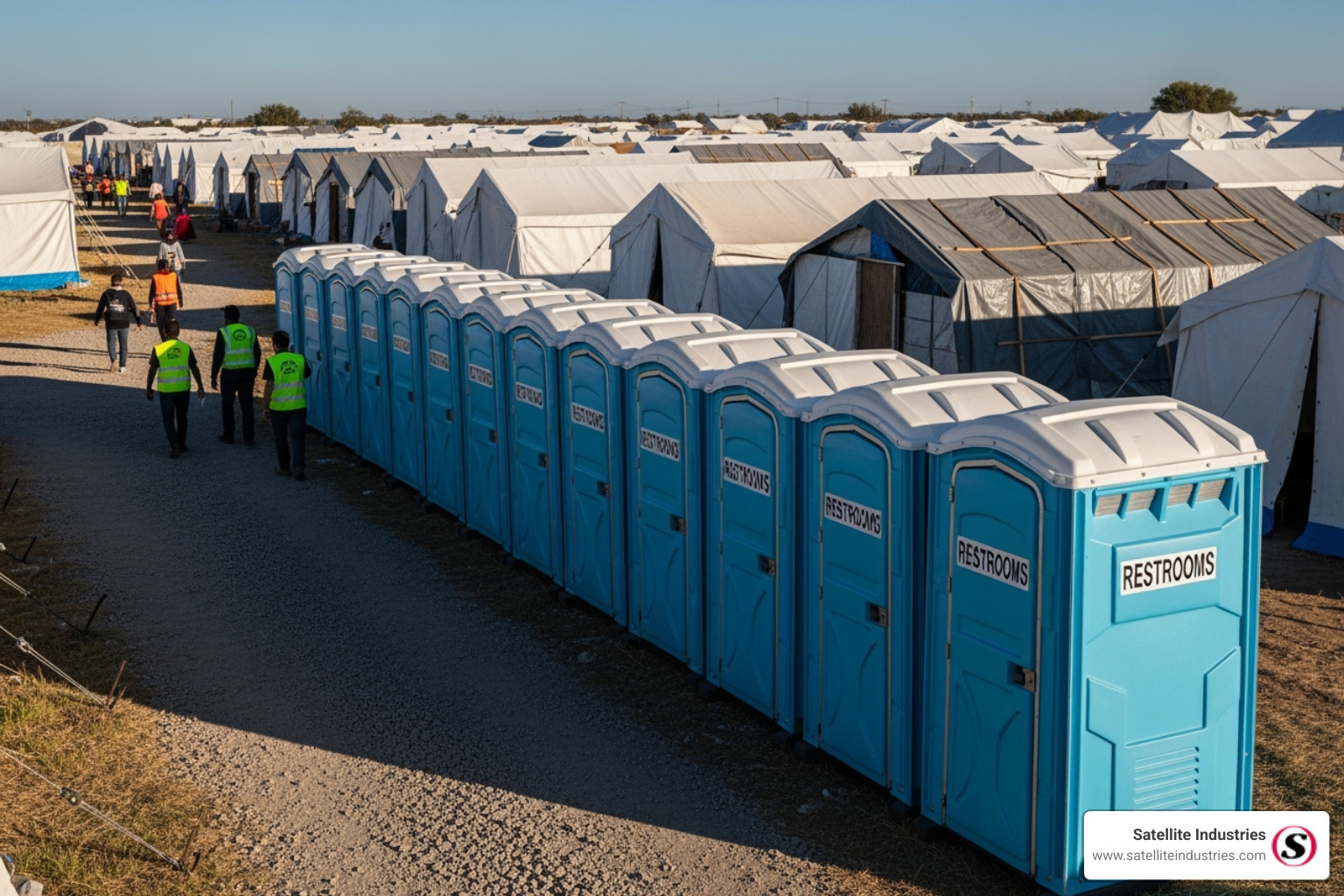
Here are some of the essential facilities and equipment we help deploy:
- Portable Restrooms: These are often the very first thing needed in an emergency. Our standard portable restrooms are built tough for quick setup and can handle rough conditions. They offer immediate, contained facilities, which is crucial for preventing open defecation and keeping everyone healthy.
- ADA-Compliant Toilets: We believe everyone deserves dignified access. Our ADA-compliant units are specially designed to accommodate wheelchairs and include features that make them easy for people with disabilities to use. It’s all about inclusivity.
- Hand Sanitizer Stations: When clean running water is hard to find, hand sanitizer stations offer a quick way to clean hands. While they don’t replace soap and water, they are a vital temporary solution.
- Portable Shower Trailers: For longer relief efforts, having access to showers makes a huge difference in hygiene and morale. Our shower trailers provide a much-needed service, allowing people to clean up, which helps prevent skin infections and boosts spirits.
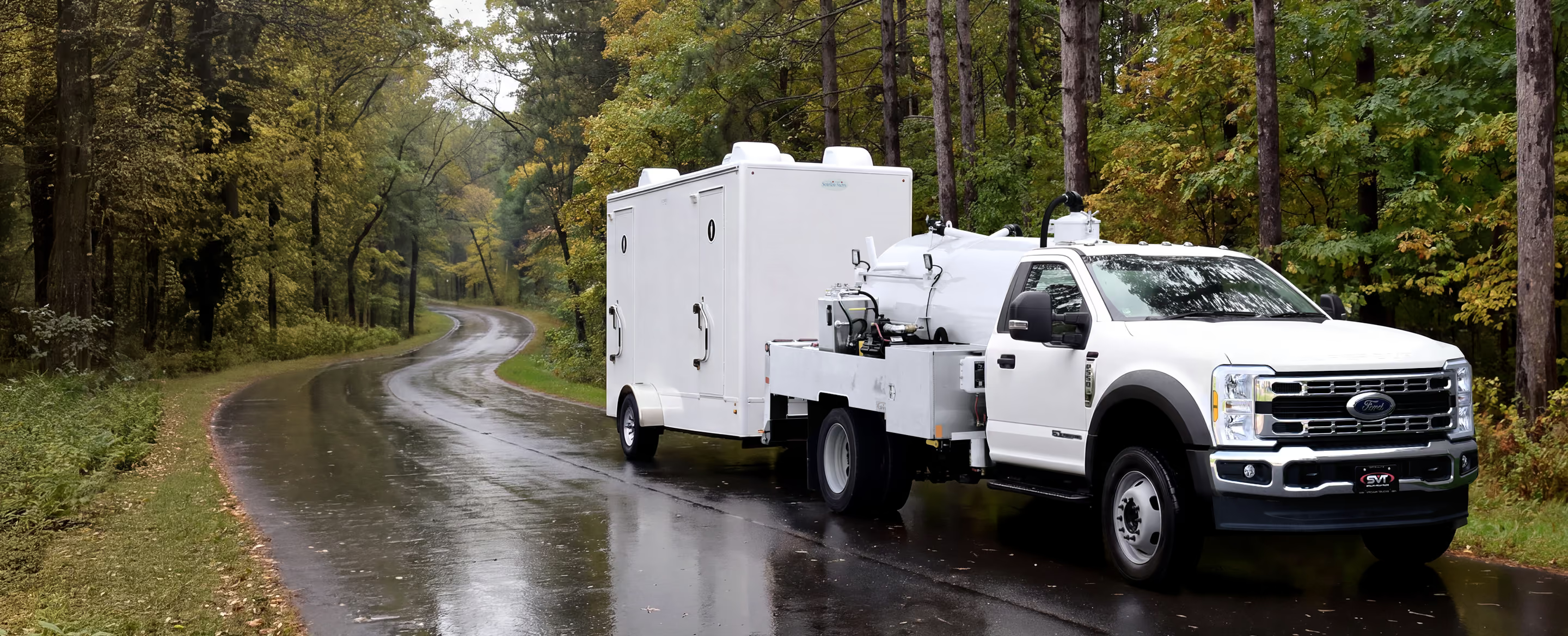
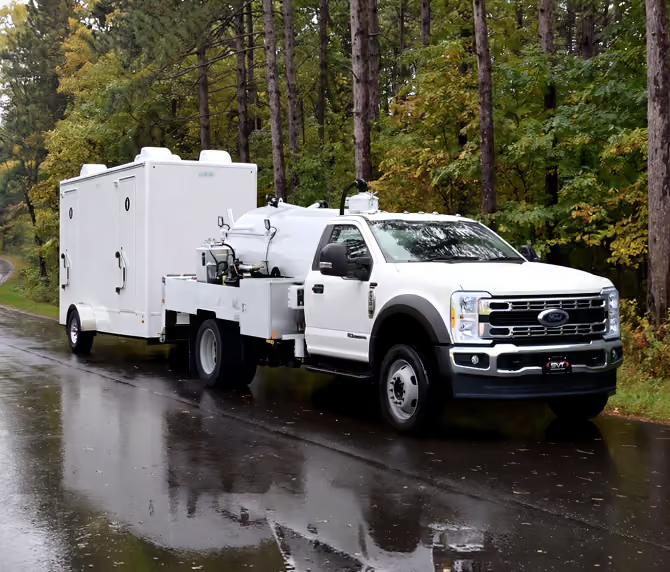
- Vacuum Service Trucks: Keeping portable units clean in disaster zones is a big logistical challenge! Our vacuum service trucks and advanced technology are designed for efficient and reliable waste collection. This ensures that the facilities stay clean and functional, day in and day out.
- Waste Holding Tanks: Sometimes, immediate waste disposal isn’t an option. That’s where large capacity waste holding tanks come in. They work with portable restrooms and showers to store waste safely until our specialized vacuum trucks can handle it.
Getting these units deployed quickly is key. We take pride in the advanced engineering that goes into our products. It means they’re not just tough enough for disaster sites, but also easy for both the affected people and the service teams to use. This focus on being both resilient and user-friendly is a core part of how we contribute to the components of disaster relief water food sanitation.
Breaking Down the Core Components of Disaster Relief: Water, Food, Sanitation
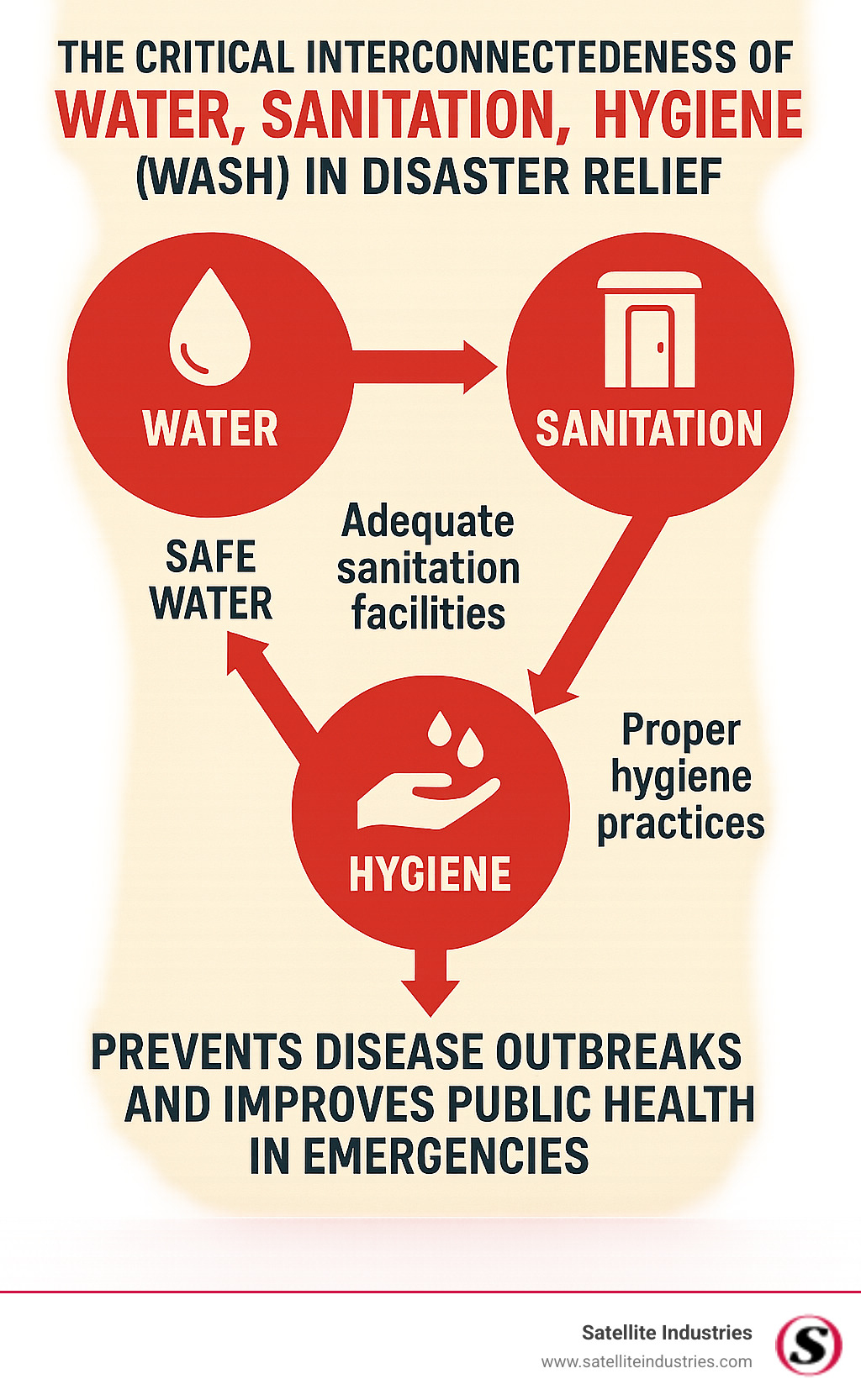
While we’ve explored water, food, and sanitation as distinct pillars, their true effectiveness in disaster relief stems from their integrated approach. They are deeply connected, like pieces of a puzzle. The success of one heavily relies on the availability and good management of the others. Think of it as a complete system: you need safe water to prepare food, and proper sanitation prevents diseases that contaminated water or food might cause. This holistic approach, combined with strong community participation and smart, long-term planning, is how we build real resilience. Good logistics are key to making sure all these parts work together smoothly.
The Role of Community and Local Resources
Disaster relief isn’t just about outside help; it’s deeply rooted in the strength and wisdom of the affected community itself. Local knowledge is incredibly valuable. Who knows the safest water sources, where the most vulnerable people live, or how traditional food storage works better than the people who live there? Involving community leaders ensures that aid truly fits the local culture and reaches everyone who needs it.
Community participation and volunteer engagement are vital for successfully setting up the components of disaster relief water food sanitation. Local volunteers can quickly help set up water distribution points, manage food lines, build temporary toilets, and teach others about good hygiene. This doesn’t just speed up the relief efforts; it also gives people a sense of ownership and empowerment, which is so important during difficult times.
What’s more, using local resources and building capacity through training helps create solutions that last. Instead of just bringing in outside help, we aim to make existing local systems stronger. This helps communities be better prepared for future events. This collaborative approach means relief efforts aren’t just for today; they truly help with sustainable solutions and long-term recovery.
Long-Term Recovery and Rebuilding Efforts
Disaster relief doesn’t stop when the immediate danger has passed. The shift from emergency response to long-term recovery and rebuilding efforts is a crucial next step. This means restoring and improving the infrastructure for water, food, and sanitation for the future. Often, this starts with a post-disaster needs assessment to understand exactly what was lost and what’s needed.
Rebuilding infrastructure isn’t just about fixing what was broken. It’s a chance to “build back better”—making systems stronger and more resilient than before. For water, this might mean upgrading water treatment plants, repairing damaged pipes, or drilling new, more secure wells. For food, it could involve supporting local farms, setting up secure food storage facilities, and strengthening local markets. For sanitation, it means building permanent, robust facilities, improving waste management systems, and making hygiene education a regular part of public health programs.
Strengthening local systems and focusing on disaster risk reduction (DRR) measures are incredibly important. This includes creating smart policies, training local authorities, and educating communities on how to prepare. Our work at Satellite Industries, providing durable and user-friendly sanitation solutions, directly helps with this long-term resilience. Our equipment is designed to withstand tough conditions, making it a reliable part of building stronger communities.
We encourage everyone to learn more about comprehensive preparedness strategies by visiting More info about disaster preparedness.
Frequently Asked Questions about Relief Operations
We often receive questions about the practicalities of disaster relief operations. It’s truly inspiring to see so many people eager to help and understand the critical role of the components of disaster relief water food sanitation. Here, we’ll address some of the most common inquiries to shed more light on these vital efforts.
How much water does a person need in a disaster?
This is a fantastic and incredibly important question! When disaster strikes, access to safe water is literally a lifeline. According to widely respected humanitarian standards, a minimum of 15 liters of water per person per day is recommended. This isn’t just for drinking, but also for essential needs like cooking and basic personal hygiene.
However, this is a minimum. In hotter climates, or for individuals with specific health needs like pregnant women or those who are sick, even more water might be required. For personal preparedness, we always advise individuals to store at least 1 gallon of water per day for each person and even for pets, aiming for a minimum of a three-day supply. Having that readily available water can make all the difference in the immediate aftermath of an emergency.
What is the top priority for sanitation in an emergency?
When it comes to sanitation in an emergency, the absolute top priority is clear: preventing open defecation. Why is this so crucial? Because open defecation is a direct pathway for the rapid spread of dangerous fecal-oral diseases like cholera, typhoid, and dysentery, which can devastate an already vulnerable population.
To combat this, relief efforts focus on providing a sufficient number of safe, accessible, and clean toilets. The goal is typically at least one toilet for every 20 people, ideally located within a minute’s walk from where people are sheltering. Hand in hand with providing facilities is promoting rigorous handwashing with soap. This simple act, performed frequently, especially after using the toilet and before handling food, is one of the most powerful tools we have to stop disease in its tracks.
How are vulnerable populations’ needs addressed?
Caring for everyone in a disaster zone, especially the most vulnerable, is at the heart of humanitarian work. Relief plans are carefully designed to specifically include measures for individuals who are particularly susceptible to the impacts of a crisis. This includes children, the elderly, pregnant women, and people with disabilities.
Addressing their needs means a multi-faceted approach. For instance, we ensure accessible sanitation facilities, such as ADA-compliant portable restrooms, are available, allowing everyone to maintain their dignity and hygiene. Specific nutritional support is also critical; this can range from providing infant formula for babies to specialized therapeutic foods for severely malnourished individuals. Furthermore, targeted health services are established to address their unique medical needs. We work hard to ensure that all distribution points and facilities are not only safe but also easily reachable for everyone, and that communication is adapted so that vital information reaches all members of the community, no matter their circumstances.
Conclusion
When we step back and look at the big picture, the components of disaster relief water food sanitation represent far more than just emergency supplies and equipment. They’re the foundation that keeps communities standing when everything else falls apart.
Throughout my years in the portable sanitation industry, I’ve witnessed how these three elements work together like a three-legged stool. Remove any one leg, and the whole system collapses. Clean water without proper sanitation leads to contamination. Food distribution without adequate hygiene facilities creates disease outbreaks. And sanitation efforts fail without safe water for cleaning and maintenance.
What makes the difference between a successful relief operation and a humanitarian crisis isn’t just having the right supplies. It’s having equipment that actually works when you need it most. That’s where advanced engineering for durability and user-friendliness becomes absolutely critical.
Our portable restrooms need to withstand hurricane-force winds, flooding, and extreme temperatures while remaining dignified and accessible for everyone who uses them. Our vacuum technology has to function reliably in muddy, chaotic disaster zones where traditional service methods simply won’t work. And our manufacturing approach ensures that every trailer, truck, and facility we produce can handle the intense demands of emergency response.
But here’s what I’ve learned after 26 years in this business: the best equipment in the world means nothing without the human element. The relief workers who set up handwashing stations in the middle of the night. The volunteers who maintain portable facilities with care and respect. The community leaders who help distribute supplies fairly and efficiently.
These components of disaster relief water food sanitation succeed because they bring out the best in people during the worst of times. They create spaces where dignity is preserved, health is protected, and hope can begin to rebuild.
At Satellite Industries, we’re proud to manufacture the tools that support this vital work across Africa, the Americas, Australia, New Zealand, East Asia, South Asia, Europe, and the Middle East. Every portable restroom we build, every vacuum truck we engineer, represents our commitment to being ready when disaster strikes.
Because when communities face their darkest hours, having reliable, well-designed sanitation solutions isn’t just helpful – it’s essential for survival and recovery.
To learn more about how our sanitation solutions can strengthen your disaster preparedness and response capabilities, visit Learn more about our sanitation solutions.
Latest from the Satellite Industries Blog
Need Help {Finding the Right Sanitation Solution?}
Satellite Industries is the largest manufacturer of portable restrooms, restroom trailers, restroom trucks, septic trucks, slide-ins, unit haulers, vacuum technology, modular solutions, consumables and deodorizers.