Portable Sanitation for Remote Worksites: Oil & Gas, Pipeline, and Mining
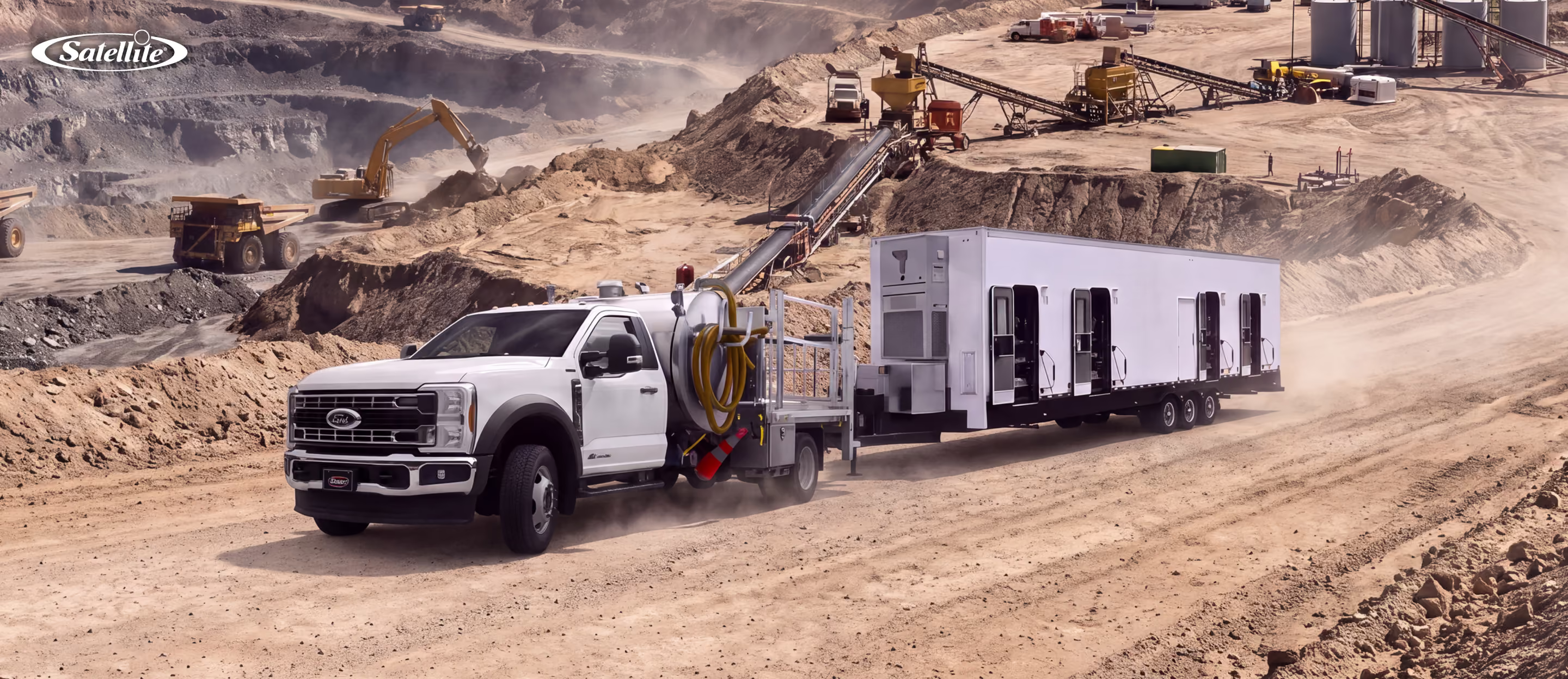
Remote oil and gas, pipeline, mining, and construction sites require more than basic restroom placement. Crew size, service distance, water availability, waste removal, accessibility, and project duration all affect the sanitation plan. Satellite Industries provides the portable restrooms, handwash stations, trailers, vacuum trucks, and vacuum technology operators need to build a complete remote worksite solution.
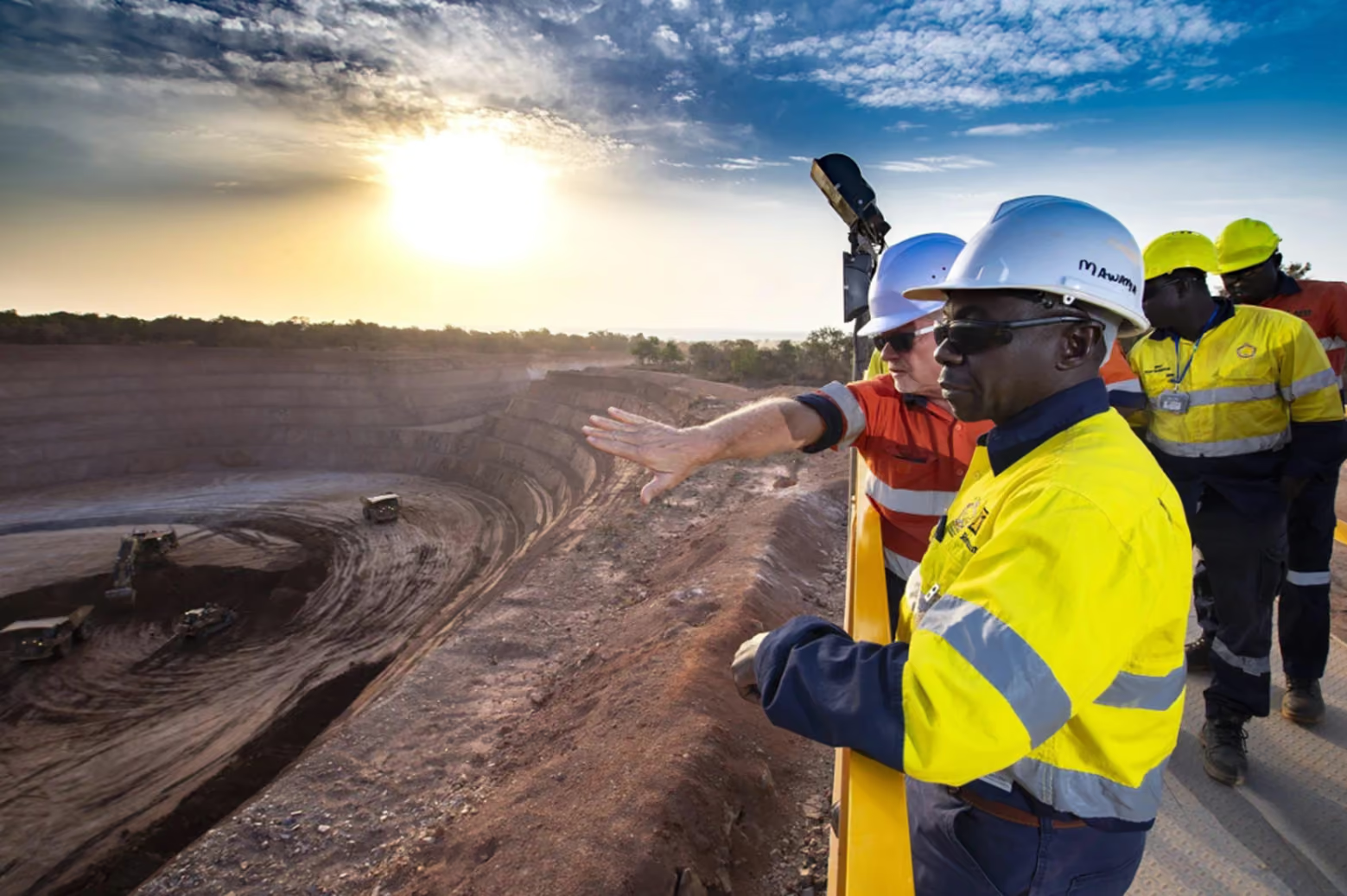
Why Remote Worksite Sanitation Is a Different Problem
Traditional portable sanitation routes are often built around relatively dense service areas. Remote worksites can be dozens of miles from the nearest service hub or disposal facility, making the same servicing model impractical.
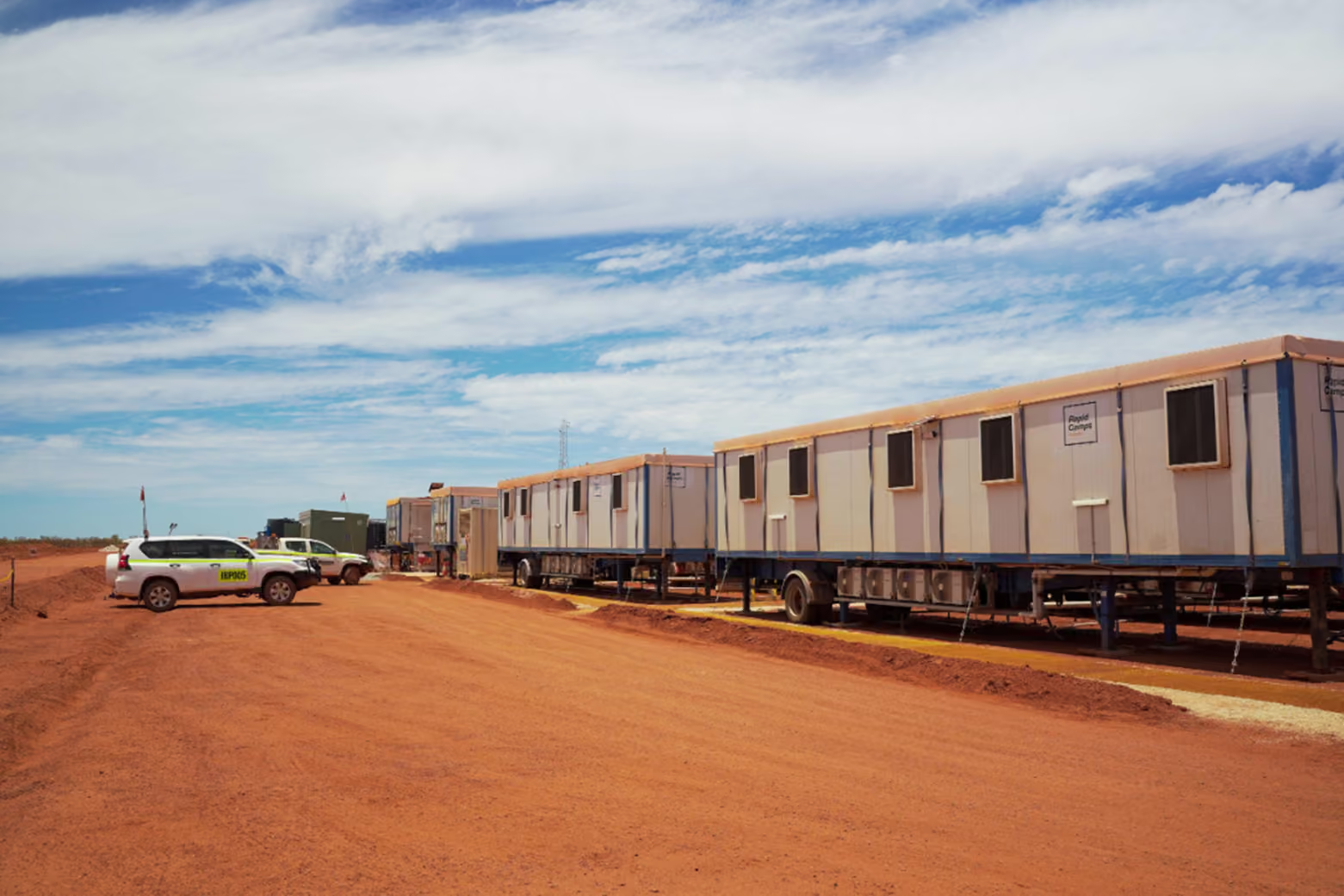
Distance changes nearly every part of the sanitation plan. A vacuum truck may need to travel significant distances between the worksite and an approved disposal location, while equipment may need to remain operational longer between service visits. On pipeline projects, the active work area can continually move, requiring sanitation equipment to move with the crew rather than remain at one centralized location.
Project duration also affects the equipment mix. Crews working at remote locations for weeks or months may need more than basic restroom access. Showers, handwashing, laundry, temporary accommodations, and site-management facilities can all become part of the overall site welfare plan.
Planning these needs together helps operators create a sanitation system that can keep pace with the project from initial deployment through completion.
Portable Sanitation Planning by Remote Site Type
There is no single sanitation configuration that works for every remote site. Crew size, project duration, geography, site accessibility, available utilities, and service distance all affect equipment requirements.
These configurations are planning examples rather than universal compliance specifications. Applicable OSHA requirements, accessibility requirements, state regulations, project conditions, workforce schedules, and service frequency should be confirmed for each deployment.
Plan Around the Work Zone, Not Just the Headcount
Long-route pipeline and infrastructure projects present a particular challenge because workers may be distributed across miles of active construction.
Placing enough restrooms at a central camp does little good if employees are working far from them. Sanitation equipment should be positioned around active work zones and repositioned as the project progresses.
That makes mobility almost as important as unit count. Operators should consider how easily portable restrooms, handwash stations, holding tanks, and related equipment can be relocated and whether service vehicles can reliably reach each location.
Vacuum Trucks for Remote Site Sanitation
Remote sanitation routes put different demands on service trucks than dense urban routes.
Tank capacity becomes especially important. If a truck must travel a long distance to reach an approved disposal facility, additional capacity can allow the operator to service more equipment before leaving the site, helping reduce unnecessary mileage, labor hours, and fuel consumption.
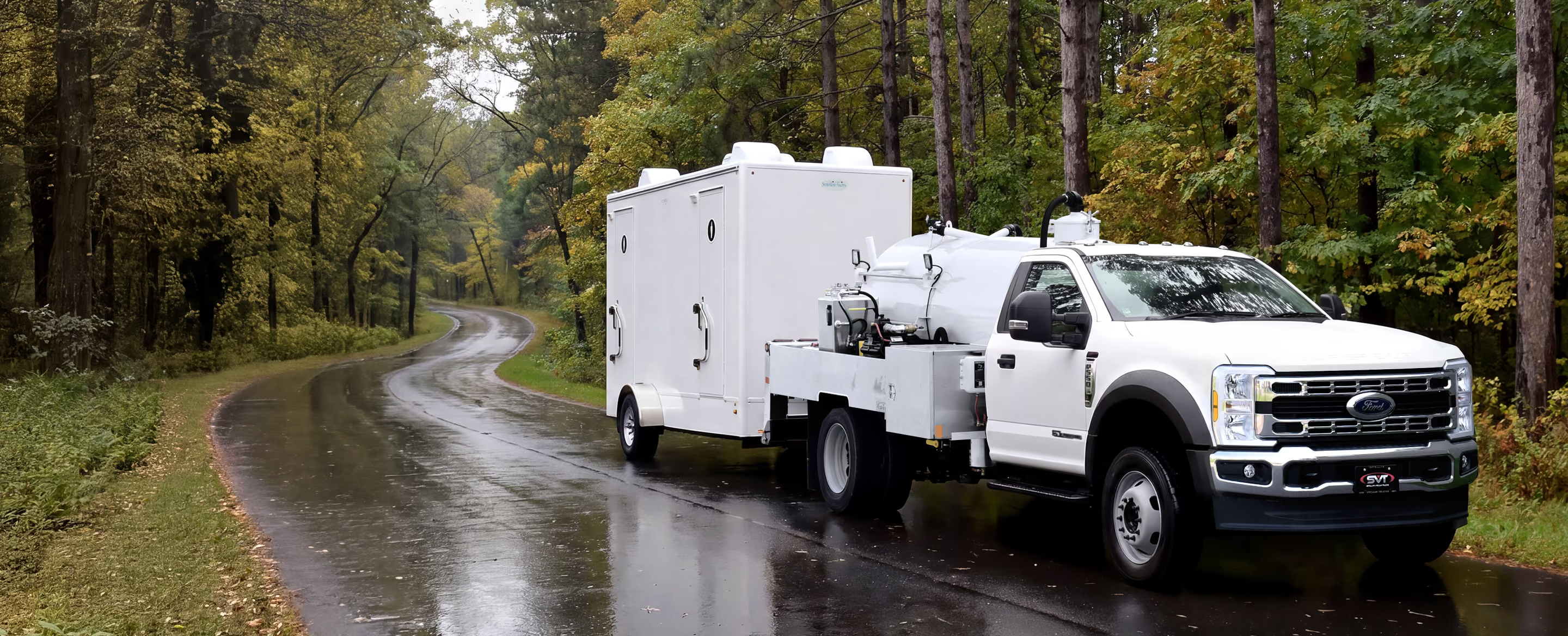
Satellite's SVT restroom truck line is designed specifically for portable sanitation servicing and can be configured around different chassis and operational requirements.
For smaller deployments or operators establishing remote-site coverage, slide-in vacuum units provide another option. A slide-in system allows an existing pickup to perform portable sanitation servicing without immediately requiring a dedicated full-size restroom truck.
Satellite's restroom trucks are designed for portable sanitation servicing and are distinct from industrial vacuum trucks used for oilfield waste management.
Read more about How a Vacuum Truck Works here!
Sanitrax for Large or Remote Deployments
For larger temporary sites, workforce camps, or remote deployments where transportation efficiency and water use are major considerations, Satellite Sanitrax provides another approach to sanitation planning.
Sanitrax combines modular design with vacuum-powered technology to create a system that can scale with site requirements. The vacuum system uses up to 90% less water than conventional flush systems, an important consideration at locations where fresh water must be stored, transported, or delivered.
Rather than managing waste underneath each restroom, the system transports waste through a vacuum network to a centralized collection point. This can simplify waste handling at larger sites while providing flexibility in restroom placement.
Its modular, retractable design also allows the system to be transported efficiently and adjusted as site requirements change.
Sanitrax may be particularly valuable for larger workforce camps, long-duration projects, and other remote operations where scalability, water conservation, transportation, and centralized waste management are priorities.
The Complete Remote Worksite Welfare Package
Longer deployments often require more than restroom facilities. Building a complete welfare package means considering what crews need throughout the workday or rotation.
Restrooms & Handwashing
Standard portable restrooms and handwash stations provide the foundation of the sanitation plan and can be distributed throughout active work areas. Self-contained or foot-pump handwash configurations are especially useful where permanent plumbing is unavailable.
Restroom & Shower Trailers
Restroom trailers can provide additional capacity and amenities for high-use areas, management facilities, and crew camps. Shower trailers are particularly valuable when employees remain on-site or cannot easily return to permanent accommodations.
Need a guide for purchasing Shower Trailers? Here is some information!
Laundry & Bunk Accommodations
For crews living and working remotely, laundry facilities and temporary sleeping accommodations can support longer rotations and projects where nearby services or housing are limited.
Command Center & Specialty Trailers
Larger operations may also require dedicated facilities for administration, safety coordination, communications, and other site-specific needs.
Combining these facilities into one coordinated plan can simplify procurement and help ensure the site is prepared for both day-to-day operations and longer project durations.
Regulatory Requirements for Remote Site Portable Sanitation
Remoteness does not eliminate sanitation or worker-welfare requirements.
The specific standards that apply depend on the type of work being performed. OSHA's general-industry sanitation requirements under 29 CFR 1910.141 may apply to certain operations, while 29 CFR 1926.51 addresses sanitation requirements for construction activities.
Projects may also be subject to state and local requirements governing worker sanitation, accessibility, wastewater handling, potable water, and waste disposal.
Before deploying equipment, operators and site managers should verify:
- Which OSHA standard applies to the work being performed
- Required restroom quantities and placement
- Handwashing and potable-water requirements
- Applicable accessibility requirements
- State or local requirements
- Approved wastewater disposal facilities and procedures
- Site-specific environmental or permitting requirements
Requirements can vary by project and jurisdiction, so sanitation planning should be incorporated into the project's compliance review rather than treated as an afterthought.
Want more information regarding ADA Compliant Restrooms? Click Here!
Planning Water, Waste, and Service for Remote Sites
A successful remote-site sanitation plan depends on more than selecting equipment. Operators also need to determine how the system will be supplied and serviced throughout the project.
Before deployment, identify where service vehicles can travel, how frequently they can realistically reach the site, where wastewater can be legally disposed of, and how weather or road conditions could affect scheduled service.
Water deserves the same attention. Shower trailers, handwash stations, and flush systems require a dependable supply. At locations without municipal infrastructure, fresh-water storage and delivery must be factored into the overall plan.
For remote sites with longer service intervals, additional restroom or waste-storage capacity may also provide a useful operational buffer.
Ultimately, three factors need to work together: equipment capacity, water supply, and waste removal.
Frequently Asked Questions
What is a site accommodation welfare unit?
A site accommodation welfare unit is a temporary or self-contained facility that provides basic amenities for employees working where permanent infrastructure is unavailable. Depending on the project, a welfare setup can include toilets, handwashing, rest areas, showers, laundry, and temporary accommodations. In North America, these needs are often addressed through combinations of portable restrooms, restroom and shower trailers, handwash stations, and specialty trailers.
What portable sanitation is required on an oil and gas worksite?
Requirements depend on the work being performed and the applicable jurisdiction. OSHA general-industry or construction sanitation standards may apply, along with state and local regulations governing toilet facilities, handwashing, potable water, accessibility, and wastewater disposal. Site managers should confirm the standards applicable to their specific operation before determining unit counts and placement.
What size vacuum truck do I need for a remote worksite?
The appropriate vacuum truck depends on the number and capacity of units being serviced, service frequency, travel distance, disposal access, and route conditions. Greater waste-tank capacity can be particularly valuable when the disposal facility is far from the worksite because the operator can potentially complete more service stops before offloading. Satellite's restroom trucks can be configured around specific route and application requirements.
What is included in a complete remote worksite welfare package?
A complete package can include portable restrooms, accessible units, handwash stations, restroom or shower trailers, laundry facilities, temporary bunk accommodations, and site-management facilities. The appropriate combination depends on crew size, project duration, worker rotations, access to permanent accommodations, and available utilities.
How often do portable restrooms need to be serviced on a remote site?
Service frequency should be based on usage, unit capacity, crew size, site conditions, and applicable requirements. Remote locations also require contingency planning because weather, road conditions, or long travel distances can affect servicing. Operators may choose additional unit or waste capacity to provide a buffer where frequent service is difficult.
Build a Complete Remote Worksite Solution
From mobile pipeline crews to remote drilling operations, mining sites, and multi-week workforce camps, every project presents a different combination of sanitation, water, waste, and service requirements.
Satellite Industries provides portable sanitation equipment, vacuum trucks, trailers, Sanitrax vacuum technology, and site welfare solutions that can be configured around those needs.
Speak with a Satellite Account Executive to discuss your remote site requirements and build a solution around your operation.
Latest from the Satellite Industries Blog
Need Help {Finding the Right Sanitation Solution?}
Satellite Industries is the largest manufacturer of portable restrooms, restroom trailers, restroom trucks, septic trucks, slide-ins, unit haulers, vacuum technology, modular solutions, consumables and deodorizers.