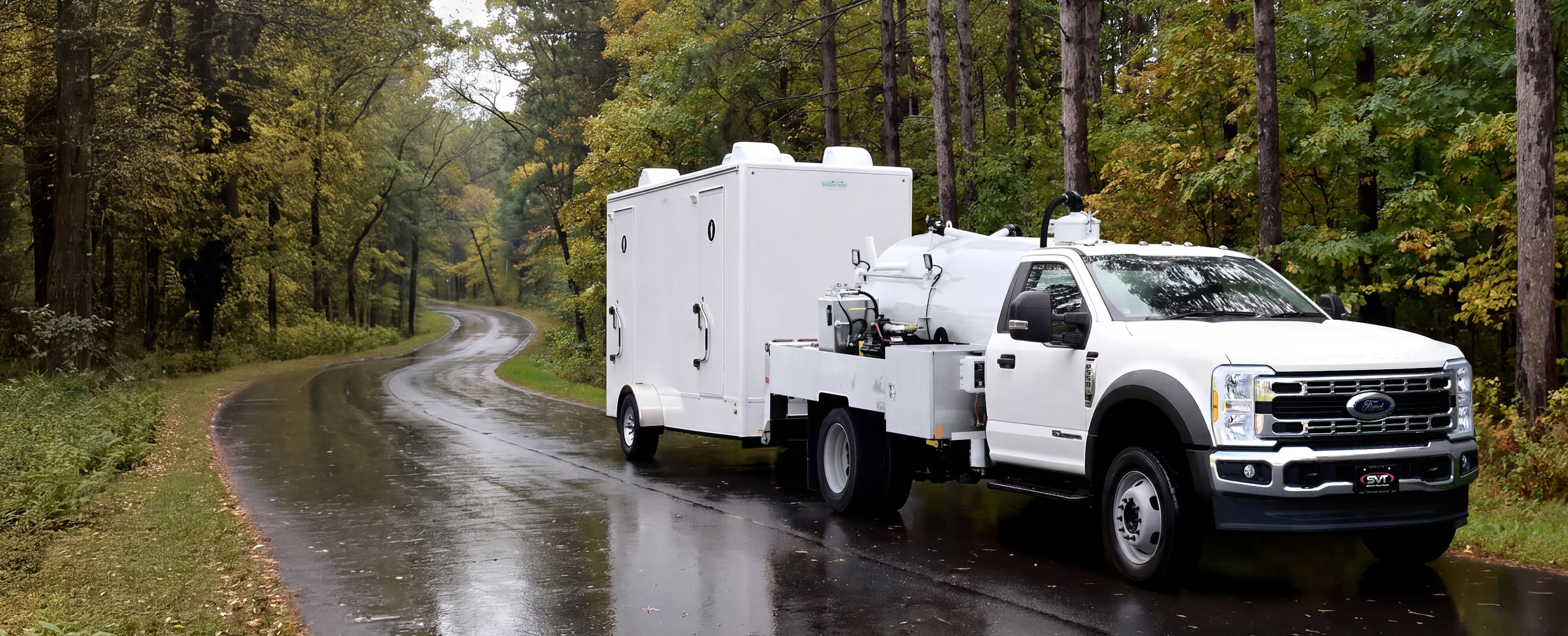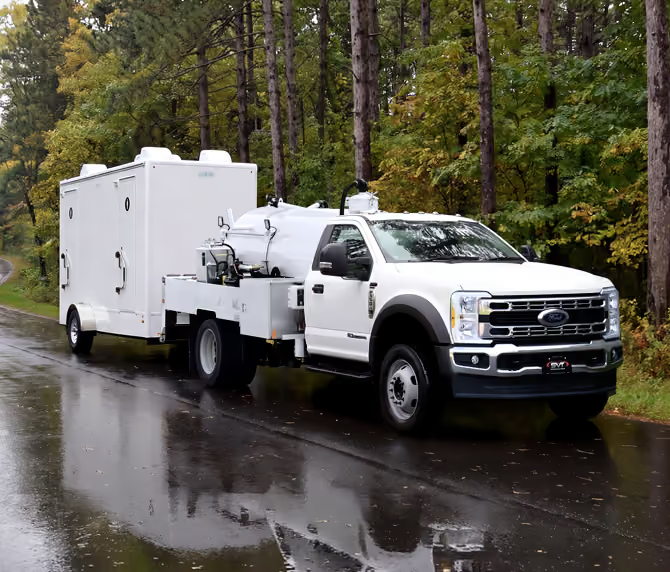
Portable Vacuum Toilets: A Traveler's Best Friend
Why Portable Vacuum Toilets Are Revolutionizing Sanitation Rentals
A portable vacuum toilet is a waterless or low-water sanitation system that uses air pressure differential and vacuum technology to remove waste, offering up to 90% water savings compared to traditional gravity-flush toilets. (If you’d like a deeper technical dive into how these systems work in rail cars and airplanes, check out this concise overview on vacuum toilets.)
Key Features:
- Vacuum pump technology – Uses air pressure instead of water volume
- Water efficiency – Only 0.25 gallons per flush vs 2+ gallons for standard toilets
- Odor elimination – Completely evacuates waste with fresh air induction
- Modular design – Collapsible and stackable for efficient transport
- Closed drainage system – Prevents contamination and reduces maintenance
Common Applications:
- High-end events and festivals
- Construction sites requiring premium amenities
- Emergency management and disaster relief
- Corporate events and weddings
- Government and military operations
The portable sanitation industry has evolved far beyond basic chemical toilets. Today’s rental customers expect cleaner, more hygienic solutions that don’t compromise on user experience or environmental responsibility.
Vacuum toilet technology addresses these demands by eliminating the chemical smells, residual waste, and frequent servicing that plague traditional units. For rental operators, this means higher customer satisfaction, premium pricing opportunities, and reduced operational costs.
As one customer noted: “It’s the best thing ever. More expensive than a bucket but worth every penny.” This sentiment reflects the growing market demand for superior portable sanitation solutions.
I’m Michelle Amelse, Vice President of Marketing and Customer Success at Satellite Industries, with over 26 years of experience in the portable sanitation industry including advanced portable vacuum toilet systems. My expertise in strategic marketing and manufacturing operations has given me deep insights into how vacuum technology transforms both user experience and rental business profitability.

What Sets Vacuum Toilet Systems Apart?
Think of a portable vacuum toilet as the difference between a gentle breeze and a powerful shop vacuum. While traditional units rely on gravity and water to slowly move waste, vacuum systems create a dramatic air pressure differential that whisks everything away in seconds.
Here’s how it works: A vacuum pump creates negative pressure throughout the system. When someone flushes, a valve opens and atmospheric pressure rushes in like air filling a balloon – except this rush of air carries waste through the drainage system at incredible speed.
The beauty lies in the engineering. This process needs only 0.25 gallons of water compared to the 2+ gallons that conventional portable toilets gulp down. For rental operators, this isn’t just an environmental win – it’s a game-changer for your bottom line.
The closed drainage system keeps everything contained and maintains consistent vacuum pressure. No more dealing with the chemical soup and standing water that makes traditional units so unpleasant to service. Instead, you get a clean, dry bowl after every use.
Water savings up to 90% translate directly into reduced operational costs. Smaller holding tanks mean fewer service calls, lower waste hauling expenses, and more efficient fleet management. When you’re running dozens or hundreds of units, these savings add up fast.
But here’s what your customers will notice most: complete odor elimination. Traditional chemical toilets try to mask smells with fragrances – like putting perfume on a gym sock. Vacuum systems actually remove the source of odors entirely through complete waste evacuation and fresh air induction.
The reduced chemical use also means happier service crews and more environmentally conscious operations. Your team will appreciate not having to handle harsh chemicals, and your customers will love the absence of that overwhelming “portable toilet smell.”
How Vacuum Technology Creates a More Hygienic Experience
Complete waste evacuation is where vacuum technology truly shines. The powerful suction removes virtually everything, leaving no residue clinging to surfaces. Compare this to gravity-flush systems where waste often hangs around despite chemical treatments – not exactly the premium experience your customers expect.
Every flush brings fresh air induction of approximately 60 liters. This constant air circulation doesn’t just mask odors – it actively purges them from the bowl area. Your customers will immediately notice the difference when they step inside.
The result? No residual odors or bacteria that can make users uncomfortable. This makes vacuum toilets perfect for high-end events where guest satisfaction directly impacts your reputation and repeat business.
Seamless interior surfaces take hygiene to the next level. These smooth, non-porous materials have no corners or crevices where waste can hide. It’s like the difference between cleaning a modern smartphone screen and an old keyboard – one wipes clean instantly, the other… well, you know.
This easy-to-clean design is a gift to your service crews. They can clean and sanitize vacuum units faster and more thoroughly than traditional units. Less time per unit means better fleet utilization and happier employees.
There’s also reduced splash-back – an often-overlooked benefit that significantly improves user experience. The vacuum action draws waste away from the user, eliminating one of the most unpleasant aspects of portable sanitation.
The Two Main Types of Portable Vacuum Systems
Central tank systems use one vacuum pump and holding tank to serve multiple toilet units. Think of it as the central air conditioning of portable sanitation – one powerful system handling multiple points of use. This setup excels at large events where you’re deploying numerous units in a concentrated area.
Self-contained systems integrate everything – vacuum pump, holding tank, and toilet – into a single portable module. These units offer maximum flexibility, like having a complete workshop in a single toolbox. They’re perfect for smaller events or situations where running vacuum lines isn’t practical.
The waste management differences affect how you plan your operations. Central tank systems require vacuum line installation but offer economies of scale for waste removal. Self-contained units provide deployment flexibility but need individual servicing.
Disposal methods vary based on system type. Central systems typically use truck-mounted vacuum pumps for waste removal, while self-contained units work with smaller, more maneuverable service vehicles.
Understanding the ideal use cases helps you optimize your fleet composition. Central systems dominate at festivals and large construction sites where efficiency matters most. Self-contained units shine at corporate events and smaller gatherings where flexibility and quick setup are priorities.
Both types deliver the superior user experience that lets you charge premium rates while reducing your operational costs – the perfect combination for growing your rental business.
The Superior Portable Vacuum Toilet Experience for Your Customers

When your customers rent a portable vacuum toilet, they immediately notice the difference. There’s no chemical smell hitting them as they open the door. No standing water with floating debris. Just a clean, modern restroom that actually feels comfortable to use.
The improved user comfort comes from several key factors. Without harsh chemical fumes, users can breathe normally. The absence of standing water means no unpleasant splashing or residue concerns. The seamless interior surfaces look and feel genuinely clean rather than chemically treated.
Quiet operation is another pleasant surprise. While the vacuum pump does make some noise during the flush cycle, it’s typically sound-insulated and operates for just a few seconds. This is far less disruptive than the constant hum of ventilation fans that chemical toilets require.
Your customers will appreciate the modern and clean appearance of these units. The sleek design and absence of chemical staining make them look professional and well-maintained. This visual appeal becomes especially important for corporate events, weddings, and upscale gatherings where appearance matters.
Perhaps most importantly, these units create positive brand perception for event holders. When guests have a genuinely pleasant restroom experience, it reflects well on the entire event. Happy guests are more likely to recommend the event organizer and return for future occasions.
Comparing Sanitation Technologies: Why Upgrade Your Fleet?
FeaturePortable Vacuum ToiletsStandard Chemical ToiletsWater Consumption0.25 gallons per flush2+ gallons per flushOdor ControlComplete elimination through evacuationChemical masking onlyWaste HandlingComplete removal, dry bowlPartial removal, standing waterMaintenance RequirementsLower frequency, easier cleaningHigher frequency, chemical managementEnvironmental ImpactMinimal water use, no chemicalsHigh water use, chemical disposal
The numbers tell a compelling story. Your customers get a premium experience while you enjoy lower operating costs and reduced maintenance headaches. It’s a win-win that’s driving more rental operators to upgrade their fleets.
The water savings alone can significantly impact your bottom line. With 90% less water usage, you’re looking at smaller holding tanks, fewer service calls, and reduced waste hauling expenses. Over time, these savings add up to substantial cost reductions.
Key Features to Look for in a Portable Vacuum Toilet
When evaluating portable vacuum toilet options for your rental fleet, durable construction materials should be your first consideration. Look for reinforced frames that can handle frequent loading and unloading, plus UV-resistant plastics that won’t crack or fade after months in the sun.
Modular and stackable designs can transform your transport efficiency. Units that nest together or stack securely mean more toilets per truck load, which directly reduces your deployment costs and improves profitability.
Power source flexibility is crucial for serving diverse customer needs. The best units offer battery operation for remote locations, 12V vehicle power for construction sites, and standard electrical connections for events with available power.
ADA-compliant models aren’t just nice to have – they’re increasingly required for public events and construction sites. These spacious units must meet specific accessibility requirements while maintaining all the hygiene advantages of vacuum technology.
High-flow ventilation systems work hand-in-hand with vacuum technology to maintain air quality. Proper ventilation prevents condensation buildup and keeps the interior environment fresh and comfortable.
Here are the essential features that will maximize your rental fleet’s performance:
- Reinforced, UV-resistant chassis – Protects your investment against transport damage and weather exposure
- Seamless, corner-free interior for easy cleaning – Reduces service time and improves sanitation standards
- Multiple power options (12V, battery, mains) – Ensures compatibility with any deployment scenario
- Collapsible design for efficient transport – Maximizes truck loading capacity and cuts transport costs
- Integrated holding tanks with level indicators – Simplifies waste management and prevents embarrassing overflow situations
These features work together to create a portable vacuum toilet that not only delivers superior user experience but also supports your operational efficiency and profitability.
Operational Advantages: Maximizing ROI for Your Distribution and Rental Customers

Here’s where portable vacuum toilet systems really shine for your bottom line. The numbers speak for themselves – you can fit up to 22 modules (that’s 66 toilet seats) on a single 53-foot trailer. Try doing that with traditional units and you’ll quickly see why smart rental operators are making the switch.
Reduced transport costs hit your profitability immediately. When you’re moving more units per truck load, you’re cutting fuel expenses, driver hours, and vehicle maintenance. With rising fuel costs and labor shortages, this efficiency advantage becomes even more valuable.
The 90% water savings translates directly to operational savings. Less water means dramatically lower wastewater volume, which means fewer pump-outs and reduced disposal costs. Your service trucks can cover more territory, and your crews can handle larger routes without the constant callbacks that plague chemical toilet operations.
Faster deployment is another game-changer. The modular design and simplified setup process means your crews can position and connect units quickly. Less time on-site means lower labor costs and happier customers who appreciate minimal disruption during setup.
But here’s the real kicker – customers will pay premium rates for superior sanitation. When you can offer a portable vacuum toilet experience that eliminates chemical odors and provides genuine cleanliness, you’re not competing on price anymore. You’re offering value that customers gladly pay extra for.
Powering Your Fleet: From Single Units to Large-Scale Events
Battery-powered units give you incredible flexibility for those tricky deployments. Weekend corporate retreats, remote construction sites, or anywhere grid power isn’t available – modern battery technology delivers hundreds of flushes on a single charge.
For mobile applications, 12V systems integrate seamlessly with vehicle electrical systems. Perfect for those job sites where trucks are running anyway, or when you need continuous operation without battery concerns.
When you’re tackling major events, industrial-grade vacuum pumps step up to handle the heavy lifting. These aren’t your average pumps – they’re built for continuous operation with sound insulation that keeps noise complaints at bay. The three-phase power systems maintain consistent vacuum pressure even when dozens of units are operating simultaneously.
The beauty of vacuum technology is its scalability. Whether you’re serving 50 people at a wedding or 5,000 at a music festival, the modular design adapts to meet your exact capacity requirements. No more over-engineering small events or scrambling to meet demand at large ones.
Waste Management for a Portable Vacuum Toilet Fleet
Servicing central holding tanks requires specialized equipment, but the payoff is substantial. Truck-mounted vacuum pumps can empty central tanks quickly and efficiently, minimizing service time and maximizing your crew’s productivity.
Your technicians will need proper training on pump-out procedures and safety protocols. But once they understand the system, they’ll appreciate how much cleaner and more efficient the process becomes compared to traditional chemical toilet servicing.
Regulatory compliance actually becomes easier with vacuum systems. The closed-loop design and elimination of chemical additives simplify disposal requirements. Many jurisdictions are tightening environmental standards, and vacuum technology puts you ahead of the curve.
The reduced waste hauling costs compound over time. When you’re generating 90% less waste volume, disposal expenses drop dramatically. As waste disposal costs continue rising and environmental regulations become stricter, this advantage becomes even more significant for your long-term profitability.
Ideal Applications for a Modern Sanitation Fleet

When you’re building a modern sanitation fleet, understanding where portable vacuum toilets shine brightest helps you maximize your investment and serve your customers better. These aren’t just upgraded versions of traditional units – they’re purpose-built solutions for specific market segments that demand superior performance.
High-traffic events are where vacuum technology truly proves its worth. When thousands of people are using facilities throughout the day, traditional chemical toilets quickly become overwhelmed. The complete waste evacuation of vacuum systems prevents the buildup and deterioration that can make standard units unusable during peak periods. Your customers will appreciate facilities that maintain their cleanliness and functionality from opening to closing.
Music festivals and concerts represent some of the most demanding applications in portable sanitation. Festival-goers expect a certain level of comfort, and nothing ruins the experience quite like unpleasant restroom facilities. The superior hygiene and absence of chemical odors create an environment that actually improves the overall event experience rather than detracting from it.
For corporate events and weddings, image is everything. These premium events demand facilities that match the overall quality and professionalism of the occasion. Vacuum toilets provide the clean, modern appearance and user comfort that event planners expect when they’re hosting important clients or celebrating special moments.
Construction and industrial sites are increasingly specifying vacuum toilets as part of their commitment to worker welfare and environmental responsibility. The reduced water usage and elimination of harsh chemicals align perfectly with corporate sustainability goals. Plus, workers appreciate having access to cleaner, more comfortable facilities during their shifts.
Emergency management and disaster relief operations present unique challenges where vacuum technology’s advantages become critical. When water resources are limited and maintenance crews are stretched thin, the 90% water savings and reduced service requirements of vacuum systems can make the difference between adequate sanitation and system failure.
The mobile and transportable facilities market leverages vacuum technology’s modular design and flexible power options perfectly. Whether you’re serving temporary work sites, remote locations, or events that require rapid setup and breakdown, the collapsible design and multiple power source options provide the adaptability your customers need.
Government and military operations often have strict specifications that traditional portable toilets struggle to meet. The reliability, efficiency, and environmental benefits of vacuum technology align well with government sustainability requirements and military operational needs. These customers also appreciate the reduced logistical footprint and lower maintenance requirements.

Each of these applications offers opportunities to command premium rental rates while providing genuinely superior service. When you can deliver facilities that exceed expectations rather than just meeting basic needs, you’re building the kind of customer relationships that drive long-term business growth.
Frequently Asked Questions about Portable Vacuum Toilets
How much water do vacuum toilets actually save?
Portable vacuum toilets deliver impressive water savings of up to 90% compared to traditional gravity-flush systems. While a conventional portable toilet uses over 2 gallons per flush, vacuum systems need only 0.25 gallons (1.2 liters) to achieve complete waste removal.
For rental operators, these savings add up quickly. Picture this: if you’re running 100 units that each get 50 flushes per day, you’d save approximately 8,750 gallons of water daily compared to chemical toilets. Over a busy summer season, that’s hundreds of thousands of gallons – and corresponding reductions in your waste hauling costs.
The water efficiency also means smaller holding tanks and fewer service calls. Your trucks can cover more territory, and your crews can focus on other revenue-generating activities instead of constant pumping and refilling.
Are they more difficult to maintain than standard chemical toilets?
Here’s where portable vacuum toilets really shine for service crews. While the vacuum pump system does require periodic inspection and maintenance, the individual toilet units are actually easier and faster to clean than traditional chemical toilets.
The powerful vacuum flush removes virtually all waste, leaving behind a clean, dry bowl. The seamless interior design prevents buildup in corners and crevices, so your service technicians can clean each unit more thoroughly in less time.
The main difference is that vacuum systems need technical maintenance of the pump equipment – but this is typically handled by trained technicians during scheduled service intervals. Your day-to-day cleaning crews will actually find their job easier and more pleasant. No more dealing with chemical mixing, splash-back, or the unpleasant odors that come with traditional systems.
Most rental operators report that while the initial learning curve exists, their service teams quickly prefer working with vacuum systems once they experience the cleaner, more efficient servicing process.
What is the initial investment for adding vacuum toilets to a rental fleet?
The upfront cost for portable vacuum toilets is higher than basic chemical units – there’s no getting around that. However, smart rental operators quickly find that the return on investment comes from multiple directions.
First, you can command premium rental rates for a superior product. Customers planning high-end events, corporate functions, or quality-focused construction projects are willing to pay more for the improved user experience and professional appearance.
Second, your operational costs drop significantly. You’ll save on water, eliminate chemical purchases, reduce waste hauling frequency, and cut labor time for cleaning and maintenance. These savings compound month after month across your entire fleet.
Most rental companies find their payback period runs 2-3 years, but the competitive advantage often justifies the investment even beyond direct financial returns. When you can offer something your competitors can’t match, you win more contracts and build stronger customer relationships.
The key is starting with a pilot program – add a few vacuum units to test the market response and operational benefits before scaling up your entire fleet.
Conclusion
The portable sanitation industry is at a turning point. As environmental regulations tighten and customers demand cleaner, more pleasant restroom experiences, portable vacuum toilet technology offers a clear path forward for rental operators who want to stay ahead of the curve.
Investing in vacuum technology isn’t just about upgrading your equipment – it’s about positioning your rental business for sustained growth and profitability. The operational advantages we’ve discussed throughout this guide create a compelling business case that goes far beyond the initial investment.
Modernizing your rental fleet with vacuum systems demonstrates to your customers that you’re committed to innovation and environmental responsibility. This positioning becomes increasingly valuable as corporate clients prioritize sustainability and guest experience in their event planning decisions.
The superior customer experience delivered by vacuum toilets creates something money can’t buy: genuine customer loyalty. When event attendees have a positive restroom experience, they remember it. More importantly, event organizers notice the difference and are willing to pay premium rates for facilities that improve rather than detract from their events.
Operational efficiency gains compound over time, creating sustainable competitive advantages. The reduced water usage, lower waste volumes, decreased service frequency, and improved transport efficiency we’ve outlined translate directly to your bottom line. These aren’t one-time savings – they’re ongoing operational improvements that strengthen your business year after year.
Environmental benefits align perfectly with growing corporate sustainability initiatives and increasingly strict regulatory requirements. Your customers are under pressure to reduce their environmental footprint, and vacuum toilets help them meet these goals while providing superior sanitation services.
Higher profitability results from the powerful combination of premium pricing opportunities, reduced operational costs, and improved fleet utilization. Forward-thinking rental operators who accept vacuum technology often find they can command 20-30% higher rental rates while reducing their operational expenses.
At Satellite Industries, we’ve been pioneering vacuum technology solutions for the portable sanitation industry across our global markets in Africa, Americas, Australia, New Zealand, East Asia, South Asia, Europe, and the Middle East. Our advanced engineering focuses on durability and user-friendliness, ensuring that your investment in vacuum technology delivers reliable performance and customer satisfaction for years to come.
The future of portable sanitation is here, and it’s powered by vacuum technology. The question isn’t whether vacuum toilets will become the industry standard – it’s whether your business will be leading the transition or scrambling to catch up.
To explore advanced sanitation solutions for your business, review our vacuum technology page.
Latest from the Satellite Industries Blog
Need Help {Finding the Right Sanitation Solution?}
Satellite Industries is the largest manufacturer of portable restrooms, restroom trailers, restroom trucks, septic trucks, slide-ins, unit haulers, vacuum technology, modular solutions, consumables and deodorizers.