Heat Safety for Construction & Sanitation Crews: Keeping Workers Safe in Extreme Summer Temperatures
Working in the portable sanitation industry means spending long hours outdoors, making heat safety for construction workers and outdoor service crews a top priority during the summer months. Whether servicing portable restrooms on construction sites, supporting outdoor events, responding to emergencies, or maintaining equipment in remote locations, sanitation crews perform physically demanding work in challenging conditions. As temperatures continue to rise across much of the country, prioritizing heat stress prevention is essential for protecting employees, maintaining productivity, and supporting overall summer jobsite safety.
A proactive heat safety program helps reduce the risk of heat-related illnesses while minimizing downtime and reinforcing a company's commitment to employee well-being.
Understanding Heat-Related Illness
Heat stress occurs when the body is unable to cool itself effectively. High temperatures, humidity, direct sunlight, and strenuous physical activity can quickly increase the risk of heat-related illnesses for anyone working in extreme heat.
The most common conditions include:
- Heat cramps – Painful muscle cramps caused by dehydration and electrolyte loss.
- Heat exhaustion – Symptoms may include heavy sweating, dizziness, headache, weakness, nausea, and a rapid pulse.
- Heat stroke – A life-threatening emergency marked by a dangerously high body temperature, confusion, loss of consciousness, or hot, dry skin. Immediate medical attention is required.
Because portable restroom service technicians and sanitation crews routinely lift equipment, operate service trucks, and work in both confined and exposed environments, recognizing these warning signs early is a critical part of heat illness prevention.
Create a Heat Safety Culture
Preventing heat-related illness starts before the workday begins. Employers should establish clear procedures and provide regular training so employees know how to recognize symptoms, respond appropriately, and look out for one another. A comprehensive program should align with OSHA heat illness prevention recommendations and be reinforced throughout the summer.
Effective heat safety practices include:
- Providing seasonal heat illness training.
- Encouraging employees to report symptoms immediately.
- Using a buddy system to monitor coworkers.
- Adjusting workloads during periods of extreme heat.
- Scheduling the most physically demanding tasks during cooler morning hours whenever possible.
A workplace that encourages open communication about heat-related concerns can help prevent minor issues from becoming serious medical emergencies.
Prioritize Jobsite Hydration
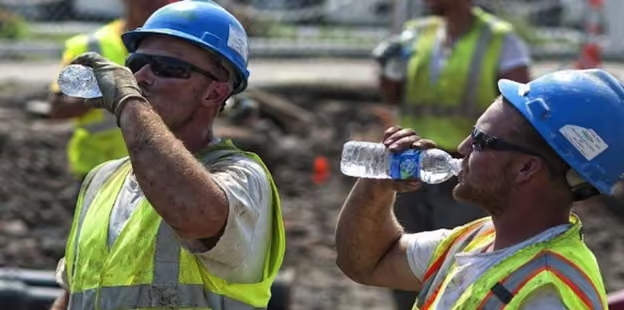
Proper jobsite hydration is one of the most effective ways to prevent heat stress. Workers should drink water consistently throughout the day rather than waiting until they feel thirsty. During extended periods of physical labor, electrolyte replacement drinks or tablets can help replenish minerals lost through perspiration, making them an important part of hydration for outdoor workers.
Helpful hydration supplies include:
- Insulated water bottles
- Water coolers for service trucks
- Electrolyte drink mixes or tablets
- Hydration reminder bottles
- Portable hydration stations for larger job sites
Making cold drinking water readily available helps crews stay hydrated, maintain energy, and perform at their best throughout the workday.
Choose PPE Designed for Hot Weather
The right construction PPE can improve both safety and comfort. Lightweight, breathable cooling PPE helps reduce heat buildup without compromising protection, allowing employees to work more comfortably in demanding conditions.
Recommended gear includes:
- Vented hard hats
- Mesh high-visibility safety vests
- Cooling towels
- Cooling neck gaiters
- Hard hat sun shades
- Breathable work gloves
- ANSI-approved safety sunglasses
- Sunscreen with SPF 30 or higher
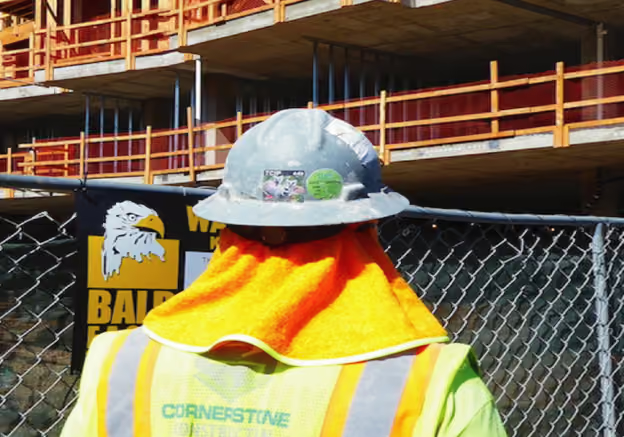
Small improvements to everyday PPE can make a noticeable difference during long shifts in the sun.
Build Breaks Into the Day
Regular recovery periods allow workers to cool down before heat stress becomes a concern.
Whenever possible, provide shaded or air-conditioned areas where employees can rest and rehydrate. Portable restroom trailers, command trailers, and temporary shade structures can provide welcome relief during long workdays or large-scale projects.
Encourage employees to:
- Take scheduled cooling breaks.
- Rest in shaded or climate-controlled areas.
- Remove unnecessary PPE during breaks when it is safe to do so.
- Rehydrate before returning to work.
These simple practices help lower body temperature, reduce fatigue, and support consistent performance throughout the day.
Recognize the Warning Signs
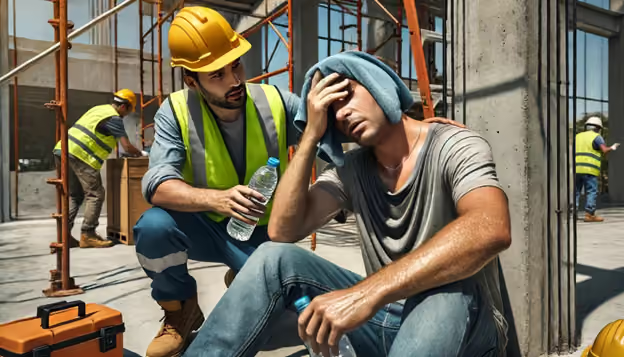
Every crew member should be able to identify the symptoms of heat-related illness in themselves and their coworkers. Recognizing heat exhaustion symptoms early is one of the most effective forms of heat illness prevention and can significantly reduce the likelihood of heat stroke.
Watch for:
- Excessive sweating
- Muscle cramps
- Dizziness
- Headache
- Fatigue
- Confusion
- Slurred speech
- Loss of coordination
- Fainting
If someone exhibits signs of heat exhaustion, move them to a cool location, provide water if they are alert, and loosen restrictive clothing. If symptoms worsen or heat stroke is suspected, call emergency services immediately and begin cooling the individual while waiting for medical assistance.
Stock Every Crew for Summer
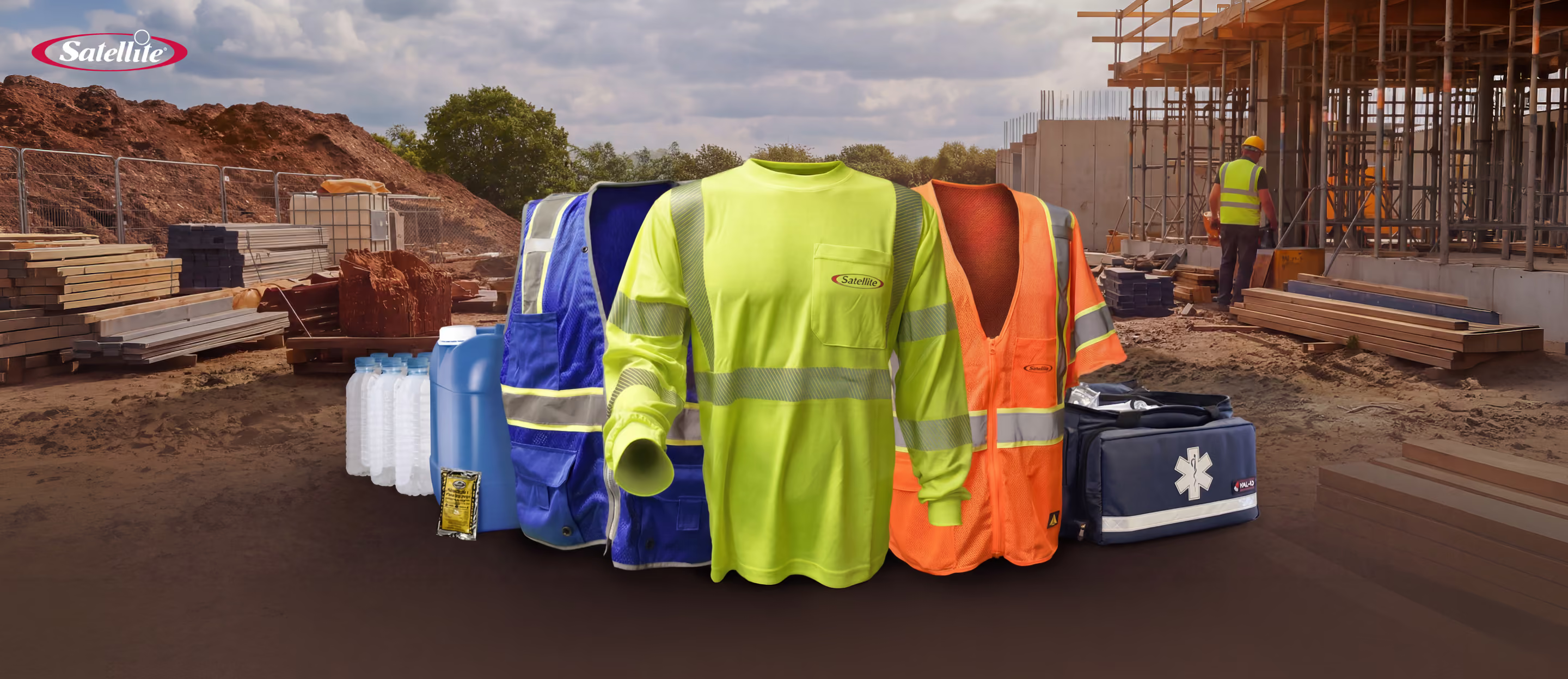
Equipping crews with the right supplies is another important step in outdoor worker safety and summer jobsite safety. Having these items readily available can significantly reduce the risk of heat-related incidents.
Essential summer equipment includes:
- Cooling towels and neck wraps
- Insulated water bottles
- Electrolyte packets
- Vented hard hats
- High-visibility mesh safety vests
- Portable misting fans
- Shade canopies
- First aid kits with instant cold packs
- Sunscreen and lip balm
Combined with portable restrooms, handwashing stations, freshwater delivery systems, and other jobsite essentials, these products help create a safer, more comfortable, and more productive work environment.
Investing in Heat Safety
Heat safety isn't just a seasonal initiative, it's an investment in your workforce. By combining employee training, proper hydration, cooling PPE, scheduled recovery breaks, and practical jobsite safety equipment, portable sanitation companies can reduce heat-related risks while keeping crews healthy and productive.
At Satellite Industries, we understand the environments sanitation professionals work in every day. From portable restrooms and handwashing stations to freshwater systems and other jobsite support solutions, we're committed to helping companies build safer, more efficient worksites. Whether you're supporting construction projects, municipalities, industrial facilities, or special events, we have the products and expertise to help strengthen your heat safety, outdoor worker safety, and summer jobsite safety programs so your crews are prepared for whatever the season brings.
Latest from the Satellite Industries Blog
Need Help {Finding the Right Sanitation Solution?}
Satellite Industries is the largest manufacturer of portable restrooms, restroom trailers, restroom trucks, septic trucks, slide-ins, unit haulers, vacuum technology, modular solutions, consumables and deodorizers.