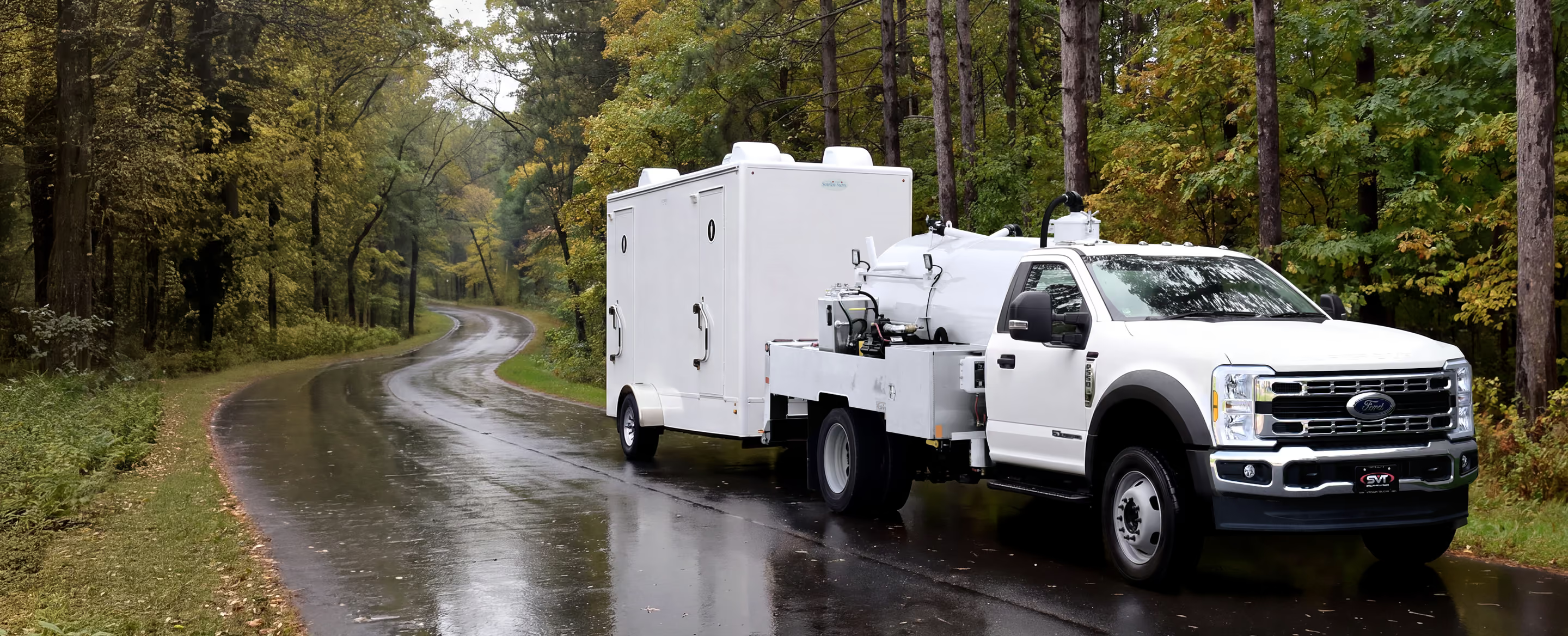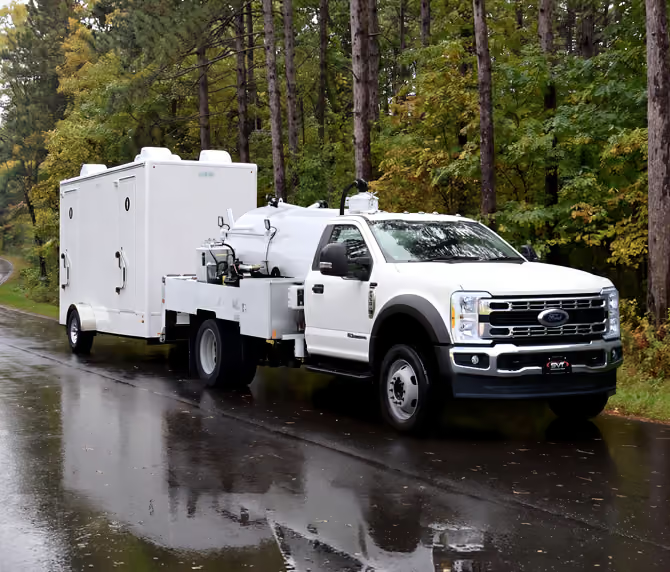
Buying a Sewage Vacuum Truck? Here's What to Look For
Why Choosing the Right Sewage Vacuum Truck Matters for Your Fleet
Finding the right sewage vacuum truck for sale requires careful consideration of several key factors that directly impact your fleet’s performance and profitability. Here’s what fleet managers should prioritize:
Essential Features to Evaluate:
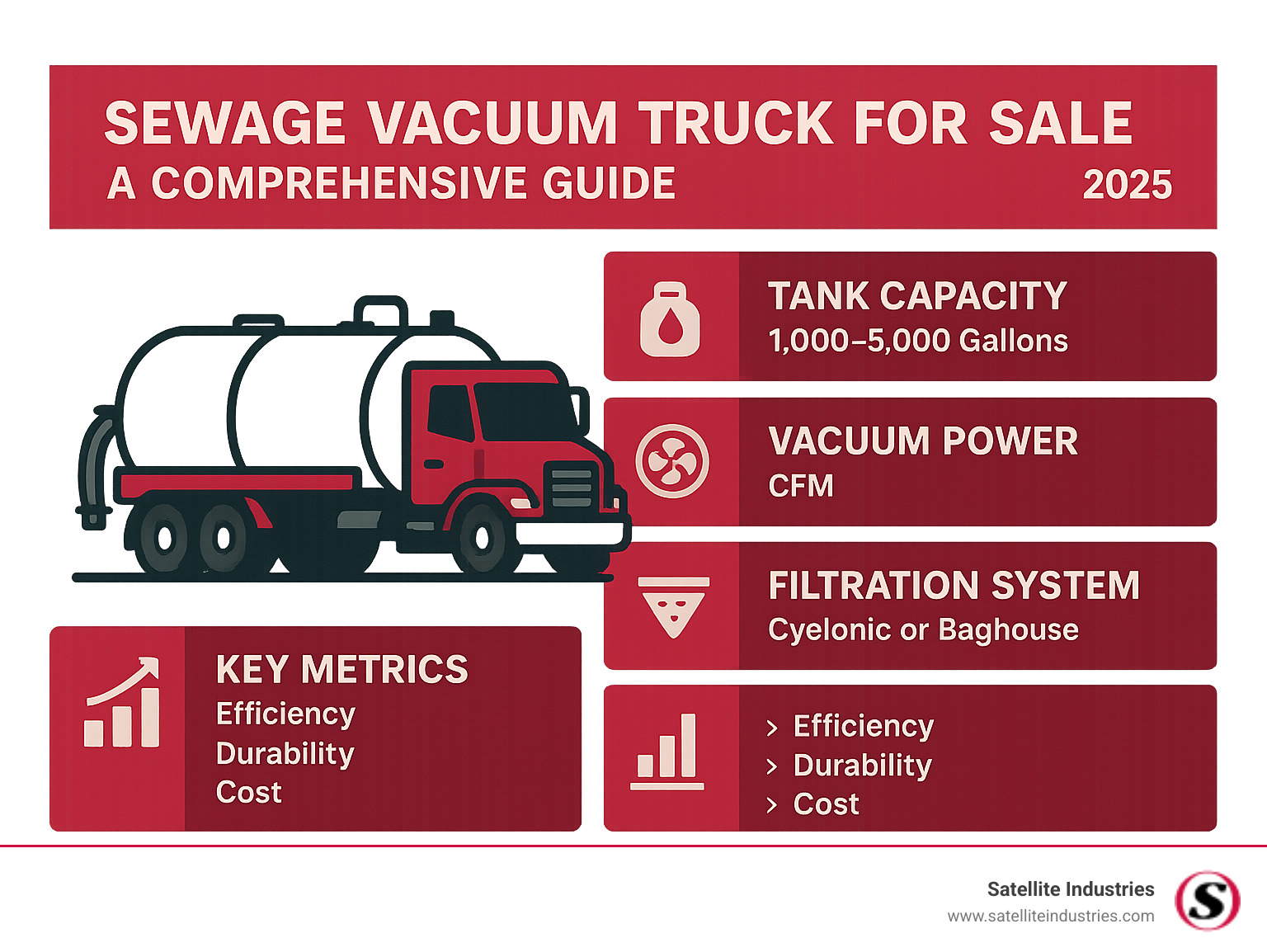
- Tank capacity – Typically ranges from 1,000 to 5,000 gallons
- Vacuum power – Measured in CFM (cubic feet per minute)
- Filtration system – Critical for equipment longevity
- Discharge method – Hydraulic dump vs. vacuum discharge
- Build quality – Affects maintenance costs and downtime
Popular Truck Types:
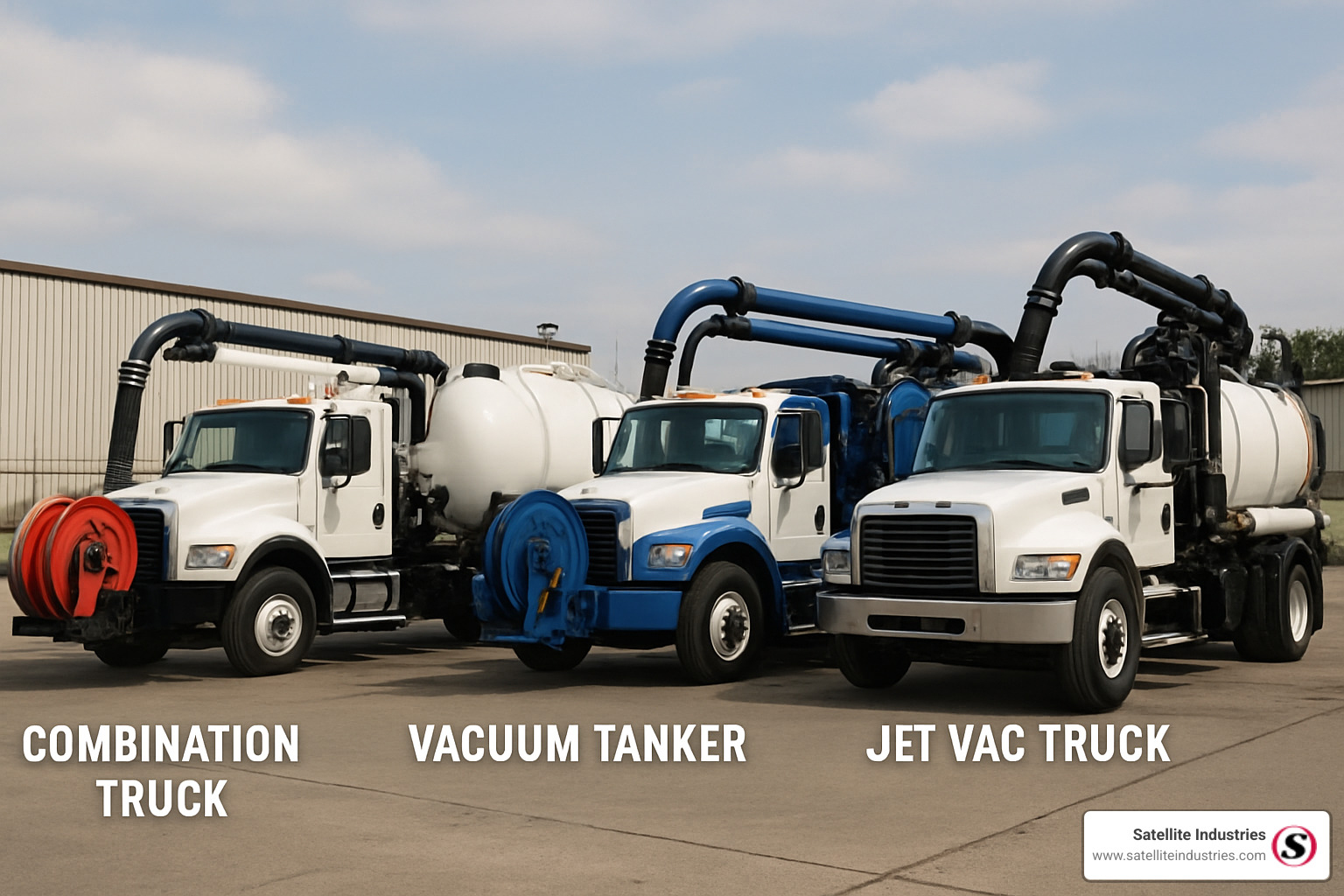
- Combination trucks – Vacuum and jetting capabilities
- Vacuum tankers – Pure suction power
- Jet vac trucks – High-pressure water cleaning
- Hydro excavation trucks – Specialized digging applications
The right truck can reduce service time by 30-40% while minimizing costly breakdowns that hurt your bottom line.
As Michelle Amelse, Vice President of Marketing and Customer Success at Satellite Industries with over 26 years in the portable sanitation industry, I’ve helped countless fleet operators find the perfect sewage vacuum truck for sale to meet their specific operational needs. My experience in strategic account management and manufacturing gives me unique insight into what makes these trucks perform reliably in demanding field conditions.
Types of Sewage Vacuum Trucks
Shopping for a sewage vacuum truck for sale can feel overwhelming with all the options available. The good news? Once you understand the four main types, choosing becomes much clearer. Each type serves different purposes, so let’s break them down in plain English.
Combination trucks are like the Swiss Army knives of the sewage vacuum world. These versatile machines pack both powerful vacuum systems and high-pressure water jetting into one unit. If you’re running a rental fleet that serves diverse customers, combination trucks give you incredible flexibility. Your customers can handle routine portable restroom pumping and tackle stubborn blockages without switching vehicles. It’s efficiency that your rental customers will definitely appreciate.
Vacuum tankers keep things simple and focus on what they do best – pure suction power. These workhorses excel when speed and capacity matter most. They’re perfect for rental customers who primarily service portable restrooms or handle high-volume septic pumping. With fewer complex systems to maintain, vacuum tankers often mean lower maintenance headaches for your rental fleet.
Jet vac trucks bring together vacuum suction with serious water cleaning power. These trucks shine when your rental customers need to clean storm drains, clear catch basins, or blast through tough blockages. Many newer models include water recycling systems, which is great news for environmentally conscious customers who want to minimize their water usage.
Hydro excavation trucks represent the specialized end of the spectrum. These precision machines use pressurized water to carefully break up soil and debris, then vacuum away the resulting slurry. They’re essential for rental customers working around utilities, doing underground installations, or any situation where traditional digging might damage buried pipes or cables.
Each type serves specific rental market needs, so consider what your customers typically tackle before making your choice.
Key Features to Consider
Shopping for a sewage vacuum truck for sale can feel overwhelming with all the technical specifications to consider. But don’t worry – we’ll break down the most important features in plain English so you can make a confident decision for your fleet.
Capacity is usually the first thing everyone asks about, and it makes sense. You’ll find tanks ranging from 1,000 gallons for smaller operations up to 5,000+ gallons for those big routes. Here’s the thing though – bigger isn’t always better. Those massive tanks make your truck heavier, drink more fuel, and might even run into road weight limits. The smart move? Calculate what your typical service routes actually need. You want that sweet spot where you’re not making extra trips, but you’re not hauling around empty space either.
Vacuum power is what separates the workhorses from the wannabes. This gets measured in CFM (cubic feet per minute), and most quality units run between 1,000-4,000 CFM. Higher numbers mean faster pumping, but they also mean your engine works harder and burns more fuel. Think about what you’re actually pumping – thick, heavy waste needs more muscle than straight liquids.
Now here’s something many people overlook until it’s too late: filtration systems. These are the unsung heroes that keep your expensive vacuum pump from turning into scrap metal. Multi-stage systems with pre-separators, cyclone separators, and final filters catch all the nasty stuff before it can wreck your equipment. A good filtration system can make your pump last 50% longer, which is real money in your pocket.
Tank design might seem like a boring topic, but it affects everything from how well your truck works to how much time you spend on maintenance. Stainless steel tanks fight off corrosion like champions but cost more upfront. Aluminum tanks give you solid durability without the weight penalty. Whatever you choose, look for smooth interiors, proper baffling to keep liquids from sloshing around, and plenty of access ports for cleaning and maintenance.
Finally, discharge methods come in two main flavors. Hydraulic dump systems get you unloaded fast but add more hydraulic parts that can break down. Vacuum discharge systems are mechanically simpler but take longer to empty. Your choice really depends on where you’re typically unloading and whether speed or simplicity matters more for your operation.
When evaluating specifications, it’s helpful to understand DOT regulations for commercial vehicles to ensure your chosen truck meets all federal requirements for your fleet operations.

Maintenance and Reliability
Let’s be honest – no one gets excited about maintenance schedules, but they’re what separate the smart fleet operators from those constantly dealing with breakdowns. When you’re evaluating a sewage vacuum truck for sale, understanding the maintenance requirements upfront can save you thousands in unexpected repair costs.
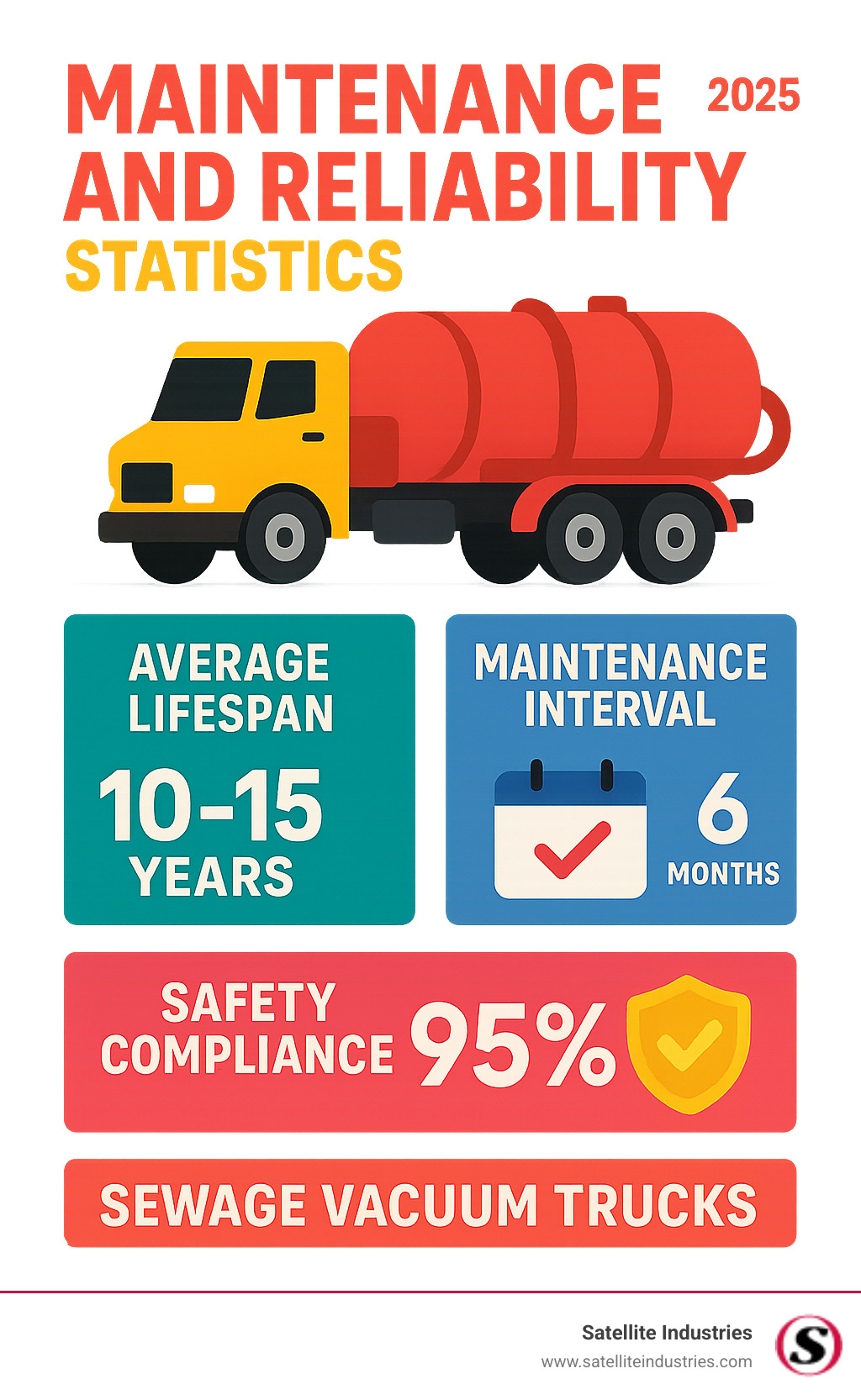
Regular maintenance isn’t just about following a schedule – it’s about protecting your investment. The vacuum pump is the heart of your operation, and like any hardworking heart, it needs regular care. Daily oil level checks, weekly seal inspections, and monthly performance monitoring keep your pump running smoothly. We’ve worked with operators whose well-maintained trucks are still going strong after 15 years, while others who skipped maintenance found themselves shopping for replacements after just 5-7 years.
Inspection routines become second nature once you establish them. Your daily pre-trip inspection catches the small stuff – loose fittings, unusual noises, or minor leaks that are easy fixes today but expensive problems tomorrow. Weekly detailed inspections help you spot wear patterns in hydraulic systems, tank components, and filtration parts before they fail on a busy route.
The filtration system deserves special attention because it protects your expensive vacuum pump from debris damage. Clean filters mean longer pump life, and longer pump life means better profitability. It’s that simple.
Longevity varies significantly based on how you treat your equipment. Trucks handling abrasive materials or operating in harsh conditions need more frequent attention, but quality-built units regularly exceed 100,000 miles when properly maintained. The key is consistency – sporadic maintenance is almost worse than no maintenance because it creates a false sense of security.
Safety considerations aren’t just about compliance – they’re about getting everyone home safely each day. Proper ventilation systems protect operators from hazardous gases, while emergency shut-offs and hydraulic safety systems prevent serious injuries. Quality manufacturers build multiple safety layers into their designs because they understand that protecting your crew protects your business.
Advantages of Sewage Vacuum Trucks
When you’re evaluating a sewage vacuum truck for sale, understanding the real-world advantages helps justify the investment and demonstrates value to your rental customers.
Efficiency gains with modern sewage vacuum trucks are impressive and measurable. Today’s units complete service calls 30-40% faster than older equipment, which means your customers can serve more clients each day. The improved pump systems handle everything from liquid waste to thicker materials without the frustrating slowdowns that older trucks experience. Your rental customers will appreciate equipment that helps them maximize their daily revenue potential.
Hygiene improvements benefit everyone involved in the operation. Modern trucks feature enclosed systems that keep odors contained and prevent messy spills that create liability issues. The advanced filtration systems capture particles that would otherwise escape into the air, making the work environment more pleasant for operators. When your customers rent quality equipment, they’re also protecting their reputation with end-users who notice the difference.
Environmental impact has become a significant selling point for quality vacuum trucks. Newer units consume less fuel through lighter construction and more efficient vacuum systems, helping your customers control operating costs while reducing their carbon footprint. Better sealing prevents contamination issues that can lead to costly cleanup situations. Many customers specifically request environmentally responsible equipment, especially for municipal contracts.
Mobility advantages make these trucks indispensable for comprehensive service operations. Your customers can reach construction sites, special events, and emergency situations that stationary equipment simply cannot access. This flexibility opens up revenue opportunities that wouldn’t exist otherwise. Whether it’s a remote job site or a last-minute event, mobile vacuum trucks deliver service where it’s needed most.
Worker safety improvements in modern designs protect operators while reducing insurance costs and liability concerns. Automated systems minimize manual handling requirements, while improved ventilation protects against hazardous gas exposure. Better lighting, non-slip surfaces, and ergonomic controls reduce accident risks during routine operations. Your customers will appreciate equipment that helps them maintain good safety records and keep their workers protected.
Frequently Asked Questions about Sewage Vacuum Trucks
Key Maintenance Requirements
Keeping your sewage vacuum truck running smoothly comes down to caring for the heart of the system: the vacuum pump. Just like a faithful engine, this pump needs regular oil changes—usually every 250 to 500 hours of use—to keep those hardworking parts lubricated and reduce wear and tear. Don’t forget to check the pump seals, too; most manufacturers recommend replacing them every 1,000 to 2,000 hours. It’s smart to monitor pump performance along the way, so any drops in efficiency are caught before they become bigger headaches.
When it comes to the tank, think of it as the workhorse that holds it all together. Every tank—whether stainless steel, aluminum, or carbon steel—needs thorough cleaning after each use to keep bacteria and odors at bay. Stainless steel tanks may take less scrubbing over time, but all tanks need regular inspection for corrosion, cracks, or worn fittings. Catching a small crack early saves a lot of trouble down the road.
The filtration system is another unsung hero. Clean filters keep your vacuum pump protected and your truck operating at peak performance. Most systems ask for filter changes every 40 to 80 operating hours, depending on what you’re pumping. Don’t skip separator cleaning or system checks; clogged filters can quickly lead to reduced vacuum power, or worse, pump damage.
Customization Options
No two routes—or customers—are exactly the same, so customization is key when selecting a sewage vacuum truck for sale. Capacity is the first place to start: matching the tank size to your real-world service routes helps balance payload and efficiency. While standard tanks fit most applications, sometimes a custom tank size will make operations smoother, especially if you need to meet specific municipal rules or handle unique waste streams.
Tank size isn’t just about volume; specialized jobs may demand custom compartments or configurations, allowing you to carry different waste types safely and efficiently. For those distributors and rental fleets serving a variety of customers, this flexibility is a big plus.
Extra features can make a fleet manager’s day easier (and maybe even a little more fun). Options like GPS tracking, real-time performance monitoring, or smart route optimization can help you get more jobs done in less time. Other upgrades—think improved filtration, custom discharge systems, or special mounting setups—are available to suit just about any operational need your clients might have.
Typical Lifespan
How long does a sewage vacuum truck for sale really last? With good care and routine maintenance, most quality trucks serve reliably for 10 to 15 years—sometimes even longer. Preventive maintenance is the best investment you can make; it saves money, reduces downtime, and keeps your trucks out on the road.
Of course, operating conditions matter, too. Trucks that tackle tough jobs—like abrasive waste, harsh chemicals, or extreme weather—may need more frequent attention. But with proper upkeep, even these hard-working trucks can go the distance.
Choosing a reputable manufacturer pays off over the long haul. Quality equipment, like what you’ll find at Satellite Industries, offers durability and a lower total cost of ownership. Well-maintained trucks hold their value over time, making them a smart investment for any distribution or rental business looking for a sewage vacuum truck for sale that’s built to last.
Conclusion
Finding the perfect sewage vacuum truck for sale doesn’t have to be overwhelming when you focus on what really matters for your business. Throughout this guide, we’ve explored how the right combination of truck type, capacity, vacuum power, and filtration systems creates the foundation for profitable operations.
The portable sanitation industry demands equipment that performs reliably day after day, often in challenging conditions. That’s why advanced engineering for durability and user-friendliness isn’t just a nice-to-have feature – it’s essential for protecting your investment and keeping your fleet running smoothly.
At Satellite Industries, we’ve spent decades understanding what fleet operators need from their vacuum trucks. Our innovation in vacuum technology comes from listening to professionals like you who depend on this equipment to serve customers across diverse markets. Whether you’re operating in the heat of Arizona or the cold of Minnesota, our trucks are engineered to handle whatever conditions you face.
Quality equipment pays for itself through reduced downtime, lower maintenance costs, and improved operational efficiency. While the initial investment in a well-built sewage vacuum truck might seem higher, the total cost of ownership tells a different story. Reliable equipment means fewer emergency repairs, less frustrated customers, and more profitable routes.
The global reach of portable sanitation operations means your equipment needs to perform consistently, regardless of location or application. With our presence across Africa, Americas, Australia, New Zealand, East Asia, South Asia, Europe, and the Middle East, we understand the diverse challenges facing fleet operators worldwide.
Your success depends on choosing equipment that grows with your business. Whether you’re adding your first vacuum truck or expanding an established fleet, the right equipment becomes a competitive advantage that helps you serve customers better while building long-term profitability.
The sewage vacuum truck for sale with the lowest price tag rarely delivers the lowest total operating costs. Smart fleet operators invest in quality, reliability, and manufacturer support that keeps their operations running smoothly for years to come.
Latest from the Satellite Industries Blog
Need Help {Finding the Right Sanitation Solution?}
Satellite Industries is the largest manufacturer of portable restrooms, restroom trailers, restroom trucks, septic trucks, slide-ins, unit haulers, vacuum technology, modular solutions, consumables and deodorizers.