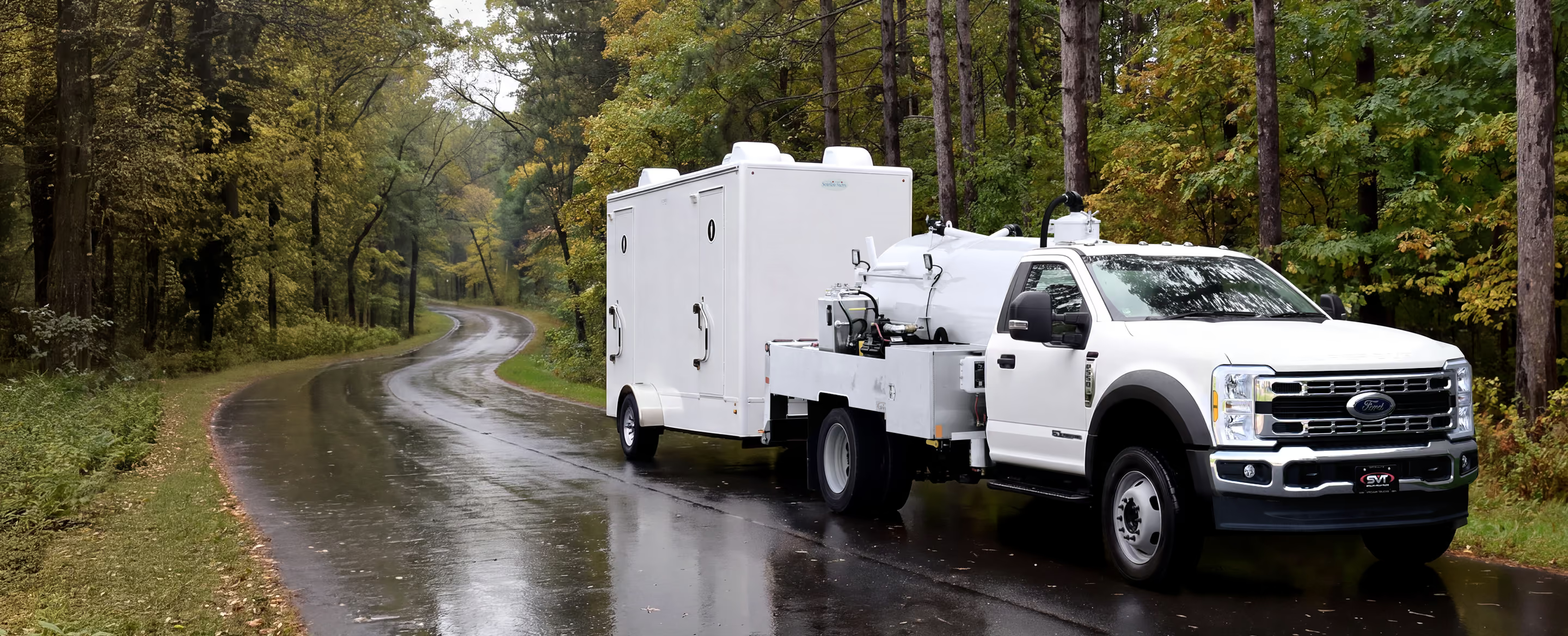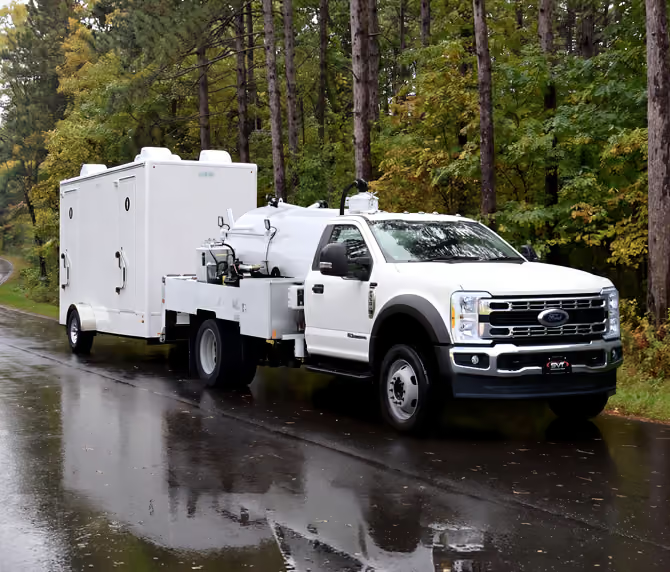
Ready to Roll: Discover Top Septic Trucks for Sale Near You
Septic Trucks for Sale: Top Guide 2025
Your Guide to Buying the Right Septic Truck
Septic trucks for sale are a significant investment, with new models ranging from $150,000-$400,000 and used units starting around $35,000. You can find them through several channels, including direct from manufacturers, specialized commercial truck dealers, and online marketplaces.
Key Specifications to Consider:
- Tank capacity: 1,500-5,000 gallons (steel or aluminum)
- Chassis options: Leading commercial truck chassis
- Pump types: Rotary vane, with 200-400 CFM capacity
- Engine power: 190-450 HP depending on application
The septic truck market offers everything from compact units for residential routes to massive commercial systems. Tank materials vary between durable steel and lighter aluminum, which can improve fuel efficiency. Most septic trucks require a Commercial Driver’s License (CDL) to operate, and financing is available through equipment loans and leasing programs.
As Michelle Amelse, Vice President of Marketing at Satellite Industries with over 26 years in the portable sanitation industry, I’ve seen countless businesses grow by choosing the right equipment when searching for septic trucks for sale. My experience in fleet management and manufacturing gives me unique insight into what makes a septic truck a smart long-term investment.

Key Considerations When Searching for Septic Trucks for Sale
Finding the right septic truck is about investing in your business’s efficiency, reliability, and profitability. These specialized commercial vehicles are the workhorses of the waste management industry, equipped with a large storage tank and a powerful vacuum pump to service everything from residential septic systems to large commercial holding tanks. The types of trucks vary widely, from agile units for tight residential areas to heavy-duty models for industrial jobs. Understanding the key differences in their components is the first step to making a smart purchase.

New vs. Used Septic Trucks for Sale: Making the Right Choice
One of the first decisions is whether to buy new or used. Both paths have unique benefits depending on your budget and business strategy.
New Septic Trucks offer the latest technology, maximum reliability, and a full manufacturer’s warranty. With a new truck, you can expect fewer breakdowns, lower initial maintenance costs, and better fuel economy. The higher upfront cost—typically $150,000 to $400,000—is often justified by long-term operational uptime. You also gain the ability to customize the tank, pump, and chassis to your exact specifications.
Used Septic Trucks provide a more budget-friendly entry point, with prices starting as low as $35,000. This lower initial investment can be ideal for startups or businesses expanding their fleet. However, used trucks come with higher mileage and potential wear and tear, making a thorough inspection of the vehicle’s history and condition essential. A well-maintained used truck can offer an excellent balance of value and reliability.
Essential Tank and Pump Specifications
The tank and pump are the core of any septic truck, defining its capacity and efficiency.
Tank Capacity and Material: Tanks range from smaller 1,500-gallon units for residential routes to 5,000-gallon or larger models for commercial work. They are typically made from either steel or aluminum. Steel is highly durable and resistant to wear, while lighter aluminum tanks can improve fuel efficiency and allow for larger payloads within legal weight limits. Internal baffles are also critical for stabilizing the load during transport.
Vacuum Pump Performance: Rotary vane pumps are the industry standard, known for their power and reliability. A key performance metric is Cubic Feet per Minute (CFM), which indicates pumping speed. Higher CFM ratings (typically 200-400 CFM) mean faster service calls. The quality of hoses and valves is also vital for preventing leaks and ensuring efficient operation.
Chassis and Other Critical Features
The chassis is the truck’s foundation, determining its strength, durability, and handling.
Chassis and Engine: Reputable chassis manufacturers provide the robust backbone needed for septic service. Engine power, typically ranging from 190 to 450 HP, must be sufficient to handle heavy loads and challenging terrain.
Transmission and GVWR: Automatic transmissions are popular for their ease of use in stop-and-go route work, while some operators may prefer manual transmissions. The Gross Vehicle Weight Rating (GVWR) is the maximum legal weight of the truck when fully loaded. It’s crucial to ensure the GVWR and axle capacities are adequate for the tank size to operate safely and legally.

Where to Find Septic Trucks for Sale
Knowing where to look can streamline your search for the perfect truck.
Manufacturer Direct Sales: Buying directly from a manufacturer like Satellite Industries is ideal for custom builds custom to your exact needs. This route ensures you get the latest technology and full factory support.
Specialized Dealerships: Commercial truck dealerships that specialize in vacuum and septic equipment are excellent resources. They often have inventory ready for immediate purchase and possess deep industry knowledge to guide your decision.
Online Marketplaces and Classifieds: The internet offers a vast selection of new and used septic trucks. Industry-specific websites and general commercial truck platforms allow you to compare numerous listings from a wide geographic area. When buying online, always vet the seller and arrange for a thorough inspection before purchase.
Legal, Licensing, and Financing for Your Septic Truck
Finalizing your purchase involves navigating legal and financial requirements.
Legal and Licensing Requirements: Operating a septic truck almost always requires a Commercial Driver’s License (CDL). You must also comply with state and local regulations for waste transportation and secure the necessary permits for disposal at approved facilities.
Financing Options: A septic truck is a major purchase, but several financing options can help. Equipment loans and leasing agreements are common solutions. Many lenders specialize in commercial vehicle financing and understand the needs of the sanitation industry. Exploring options with a financial provider can help you find the best terms for your business.
For example, you can explore financing options through providers like Guide Funding.
Maximizing Your Investment and Next Steps
Once you’ve purchased your septic truck, the next step is to turn that asset into a reliable, profitable workhorse. The real value of your investment comes from proper operation and consistent maintenance. The portable sanitation industry is demanding, and a proactive approach to care is essential for success.
Investing in equipment with advanced engineering for durability and user-friendliness gives you a head start. At Satellite Industries, we build our vacuum technology to withstand rigorous use while remaining easy to operate. Proper care will ensure you get the maximum return on that investment for years to come.
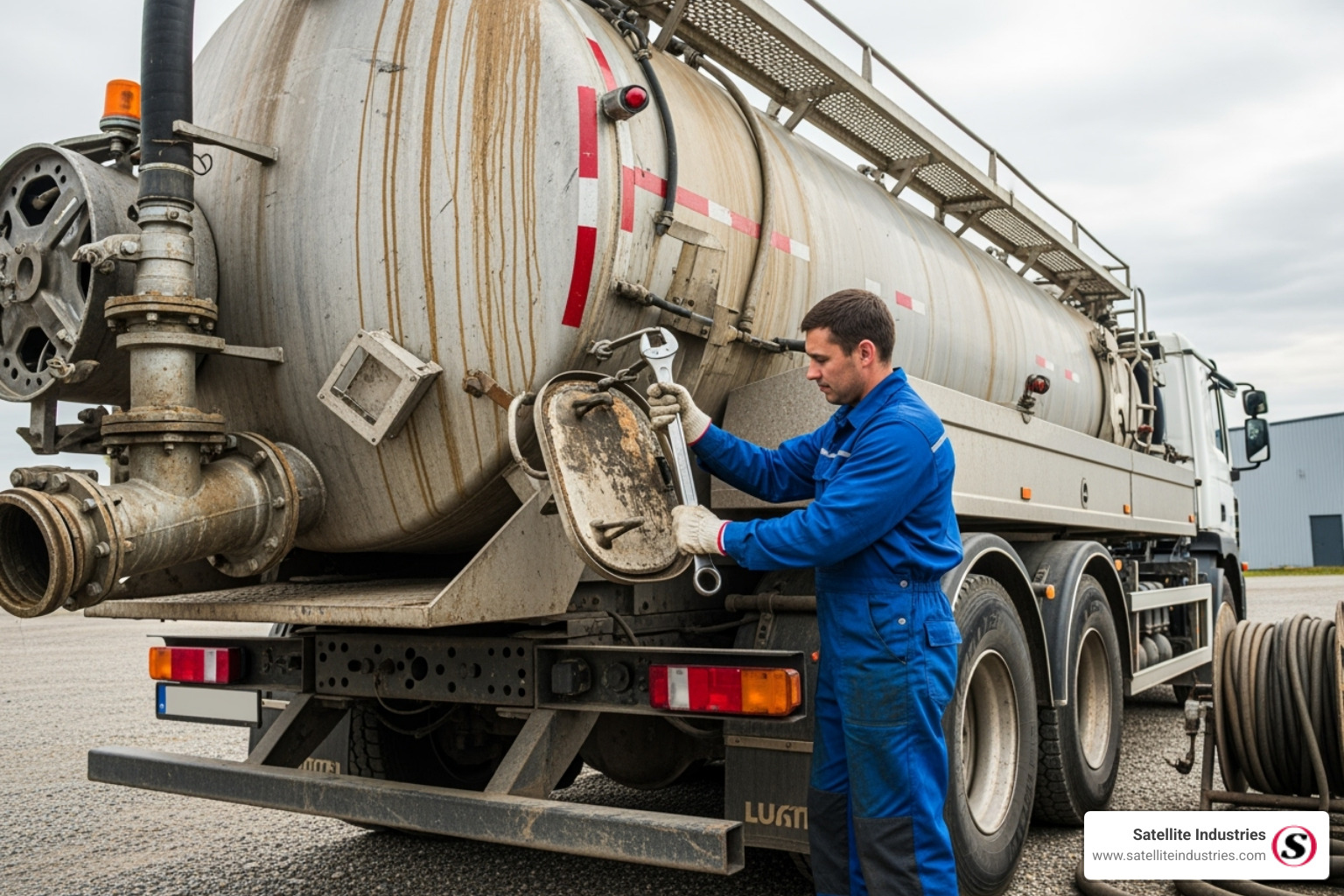
Long-Term Maintenance and Care
Your truck’s longevity and performance depend on a disciplined maintenance routine. Following these practices will minimize downtime and protect your investment.
- Daily Checks: Before each route, perform a quick walk-around. Check tire pressure, fluid levels (oil, coolant), and lights. A visual inspection of the tank, pump, and hoses can catch small issues before they become costly repairs.
- Pump and Tank Care: The vacuum pump is the heart of your operation. Regularly check pump oil levels according to the manufacturer’s schedule. Establish a routine for cleaning the tank to prevent residue buildup, corrosion, and odors.
- Chassis Service: Follow the chassis manufacturer’s recommendations for regular service, including oil changes, filter replacements, and brake inspections. This keeps the truck’s mechanical foundation solid.
- Hose and Valve Inspection: Hoses and valves endure significant wear. Regularly inspect them for cracks, leaks, or damage to ensure safe, efficient operation and prevent messy failures on a job site.
- Winterization: In colder climates, proper winterization is critical. Draining all water from pumps, lines, and valves prevents freezing that can cause thousands of dollars in damage.
Quality manufacturing makes a significant difference. At Satellite Industries, our focus on advanced engineering for durability and user-friendliness means our customers—who distribute and rent to their own clients—receive equipment built for consistent, day-after-day performance. Following a smart maintenance plan ensures your septic truck remains a reliable revenue generator.
For more information about durable solutions and advanced engineering in the portable sanitation industry, visit Satellite Industries. We’re here to support your success with equipment that’s built to last and designed to perform.
Latest from the Satellite Industries Blog
Need Help {Finding the Right Sanitation Solution?}
Satellite Industries is the largest manufacturer of portable restrooms, restroom trailers, restroom trucks, septic trucks, slide-ins, unit haulers, vacuum technology, modular solutions, consumables and deodorizers.