Dump Your Worries: Top Portable Septic Tanks for Camper Convenience
Portable Septic Tank for Camper: Top 5 Worry-Free Picks
Why Portable Septic Tanks Are Essential for Your Camper Rental Business
A portable septic tank for camper use is a mobile waste holding system that allows RV renters to transport and dispose of waste when direct sewer connections aren’t available. These tanks typically range from 15-36 gallons and feature wheels, tow adapters, and integrated cleaning systems for easy transport to dump stations.
Top portable septic tank options for camper fleets:
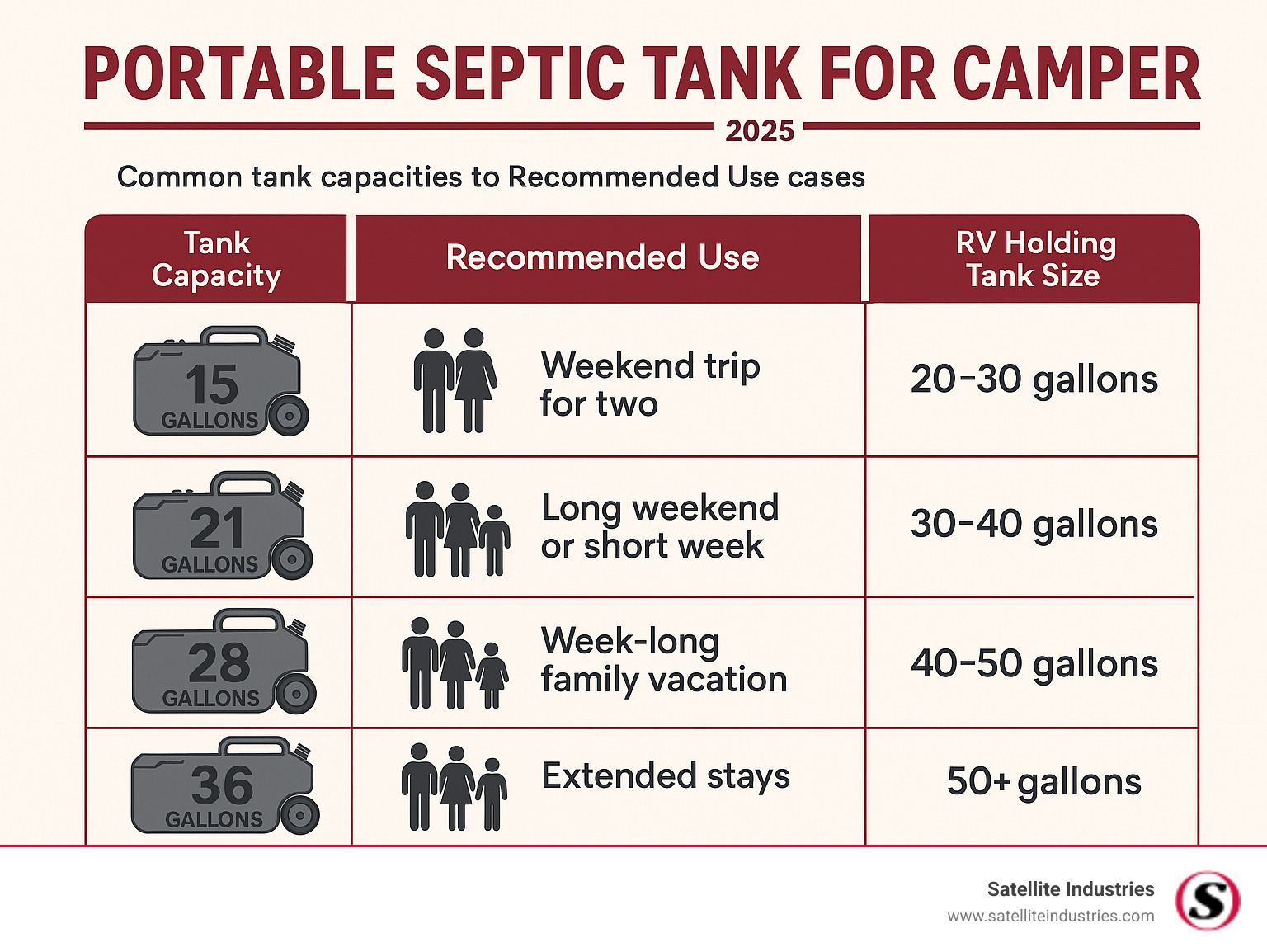
- 15-Gallon Units: Best for weekend trips, couples, compact storage
- 21-Gallon Units: Ideal for week-long trips, small families
- 28-Gallon Units: Perfect for extended stays, larger groups
- 36-Gallon Units: Maximum capacity for commercial fleets, steerable wheel design
The RV rental market has exploded, with customers increasingly seeking remote camping experiences far from traditional hookups. Renters often need guidance on selecting the right size waste tank to match their RV’s holding tanks and trip duration.
This growing demand creates opportunities for rental businesses to offer complete waste management solutions. Your customers need reliable equipment that won’t leak, break down, or create service headaches during their outdoor trips.
Modern portable septic tanks feature:
- UV-stabilized HDPE construction
- No-flat wheels with bearings
- Integrated rinsing systems
- Low drain holes for complete emptying
- Ladder hooks for secure storage
I’m Michelle Amelse, Vice President of Marketing and Customer Success at Satellite Industries, with over 26 years of experience in the portable sanitation industry helping businesses choose the right portable septic tank for camper applications. My expertise in strategic marketing and manufacturing operations has helped countless rental operators build successful waste management programs that keep customers happy and coming back.

Key Features to Look for in a Portable Septic Tank for Camper Fleets
Building a successful rental fleet means choosing equipment that keeps customers happy while minimizing your maintenance headaches. After 26 years in this industry, I’ve seen what works—and what doesn’t. The portable septic tank for camper units that perform best share four critical characteristics: rock-solid construction, smart sizing, effortless transport, and thoughtful user design.
Your customers won’t always handle equipment gently, and Mother Nature certainly won’t. That’s why getting these features right from the start saves you money and builds the kind of reputation that brings renters back season after season.
Durability and Material Construction
Nothing ruins a camping trip faster than a leaking waste tank. I’ve watched rental businesses learn this lesson the hard way, dealing with angry customers and costly replacements. The secret lies in choosing tanks built with the right materials and manufacturing processes.
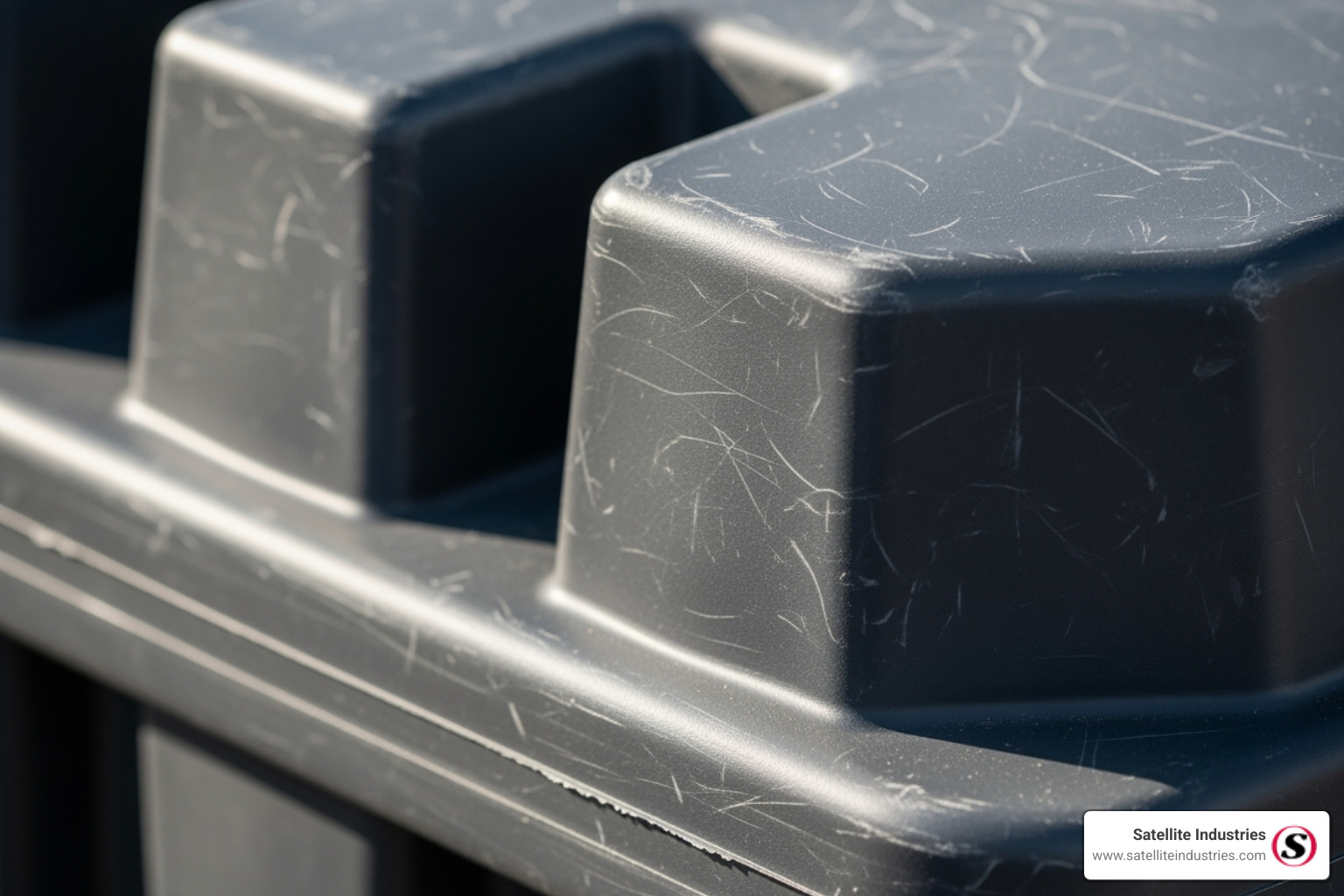
High-density polyethylene (HDPE) is your best friend here. This material takes a beating and keeps working—it resists impacts, won’t crack easily, and handles temperature swings like a champ. But not all HDPE is created equal. Look for UV-stabilized plastic that won’t turn brittle or fade after months of sun exposure.
The manufacturing process matters just as much as the material. Blow-molded construction creates seamless tanks without weak spots where leaks typically start. Think of it like a balloon being inflated inside a mold—the result is one continuous piece with no joints to fail.
Thick-wall engineering provides that extra layer of protection against punctures and general abuse. Your customers might drag these tanks over rough terrain or bump them into rocks, so every millimeter of wall thickness counts.
Capacity and Sizing Options
Here’s where understanding your customers really pays off. Your renters will be thinking about how a portable tank’s capacity compares to their RV’s holding tanks and the length of their trip.
15-gallon units work perfectly for weekend warriors and couples who just need a little extra capacity. They’re compact, easy to handle, and don’t take up much storage space. 21-gallon units hit the sweet spot for small families on week-long trips, while 28-gallon units handle larger groups or extended stays without requiring constant dump runs.
For your commercial fleet, 36-gallon units offer maximum capacity with features like steerable wheel design that make the extra size manageable. These larger tanks often become the workhorses of rental fleets, especially for customers with big RVs or long trips planned.
The key is matching tank capacity to typical use cases. A couple with a small RV doesn’t want to haul around a massive tank, while a family of six will quickly outgrow a tiny one. Smart sizing keeps everyone happy.
Portability and Ease of Transport
A full 28-gallon waste tank weighs more than most people expect. Your customers need to move this thing from their campsite to a dump station, sometimes over rough ground and long distances. Make it hard, and you’ll hear about it in your reviews.
Oversized wheels with no-flat tires solve the biggest transport headaches. Nobody wants to deal with a flat tire on a waste tank, especially when they’re trying to enjoy their vacation. Quality bearings make the difference between smooth rolling and a wrestling match with a stubborn tank.
Integrated handles might seem basic, but they need to be positioned right and built strong. Your customers will be pulling these tanks over gravel, grass, and pavement. Weak handles break, and broken handles create very unhappy customers.
The real game-changer is a steel tow adapter. Larger tanks become much more manageable when customers can tow them slowly behind a golf cart or truck instead of wrestling them by hand. For your bigger rental units, this feature transforms a potentially difficult task into something almost anyone can handle.
Steerable wheel design on higher-capacity units distributes weight better and eliminates the need to lift and pivot around corners. It’s the difference between a smooth operation and a back-straining ordeal.
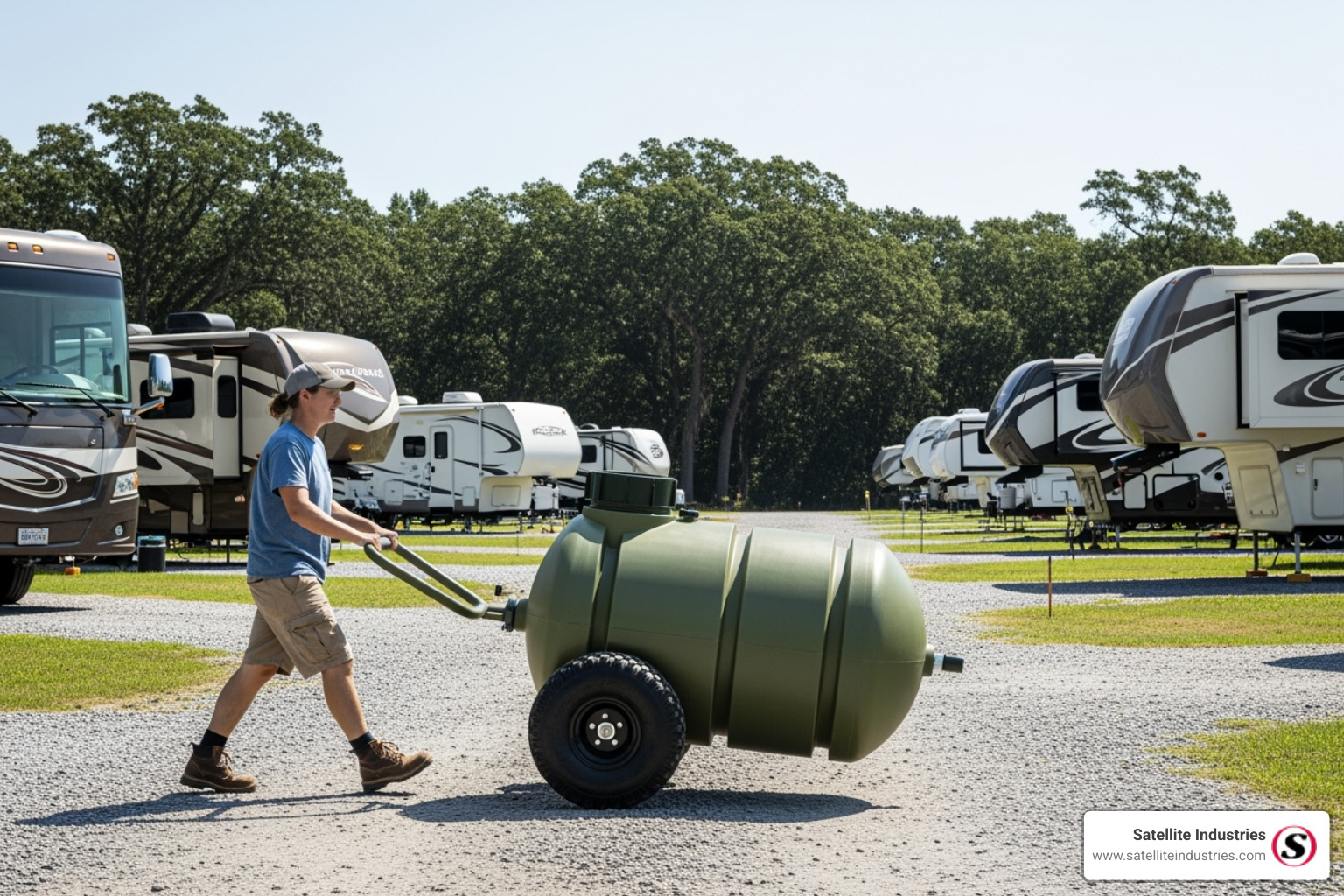
User-Friendly Design for a portable septic tank for camper
Your customers aren’t waste management experts—they just want their camping trip to go smoothly. The best portable septic tank for camper designs anticipate what real people need and make everything as simple as possible.
A low drain hole ensures complete emptying, which prevents odors and makes cleaning easier. Integrated tank rinsers let customers connect a standard garden hose to flush out the interior thoroughly. Gate valves provide precise flow control during emptying, reducing splashes and mess.
Ladder hooks solve the storage puzzle neatly. Most RVs have rear ladders, and tanks with proper hooks clamp securely without taking up precious interior space. It’s one of those simple features that customers really appreciate.
The magic happens when you provide complete rental kits with everything needed. Sewer hoses for connections, clear elbows so customers can see when tanks are empty, rinse adapters for the integrated cleaning system, and storage caps to prevent odors during transport.
Essential accessories for a complete rental kit include durable sewer hoses, clear double bayonet elbows, rinse adapters, storage caps, gray water hoses, steel tow adapters, and large handles for manual transport. When customers get everything they need in one package, they can focus on enjoying their trip instead of hunting for missing parts.
This attention to detail separates successful rental businesses from the rest. Your customers remember when things just work, and they come back for that experience again and again.
Equipping Your Rental Business for Success
Running a successful camper rental business means more than just handing over keys and waving goodbye. When you’re providing portable septic tanks for camper use, you’re taking on the responsibility of ensuring every customer has a clean, hassle-free experience. This isn’t just about customer satisfaction—it’s about protecting your investment and building a reputation that brings people back year after year.
The truth is, waste management equipment faces unique challenges. These tanks get used by different people with varying levels of RV experience, they travel over rough terrain, and they handle some pretty unforgiving content. But with the right maintenance practices and customer education, your fleet can deliver reliable service for years to come.
Maintenance and Sanitation Best Practices
Let’s be honest—cleaning waste tanks isn’t the glamorous side of the rental business. But it’s absolutely critical for your success. A poorly maintained portable septic tank for camper use can turn a dream vacation into a nightmare, and one bad review can hurt your business for months.
The key is developing a systematic approach that your team can follow consistently. When a tank returns from rental, it needs immediate attention. Start with a complete emptying using the low drain hole, followed by a thorough rinse with the integrated tank rinser. This initial flush removes most residual waste and makes the deep cleaning process much more manageable.
Deep cleaning comes next, and this step separates professional operations from amateur ones. Use a specialized tank cleaner or a water and non-abrasive disinfectant solution. Let it sit inside the tank for several minutes—this dwell time is crucial for eliminating bacteria and preventing odor build-up. The smooth interior of quality tanks makes this process significantly easier and more effective.
Odor control chemicals deserve special attention in your customer education. Many renters don’t realize that using high-quality chemicals designed specifically for RV holding tanks makes a huge difference. These products break down solids, lubricate valves, and neutralize odors. Consider including a starter pack with each rental—it’s a small cost that can prevent big headaches.
Your inspection checklist should be thorough and non-negotiable. Check for cracks in the HDPE construction, test wheel bearings, examine gate valves for proper sealing, and verify that all caps and accessories are present and functional. Catching small issues early prevents costly repairs and keeps your customers happy.
Long-term storage requires special consideration, especially during off-seasons. Clean, dry tanks stored in cool, shaded areas maintain their integrity much longer. The UV-stabilized construction helps, but direct sunlight over extended periods can still cause degradation. Tanks with ladder hooks can be stored vertically to save valuable space in your facility.

Navigating Regulations and Advising Customers on your portable septic tank for camper
Your role extends far beyond equipment rental—you’re also an educator and advocate for responsible waste management. Many customers rent a portable septic tank for camper use without fully understanding the legal and environmental responsibilities that come with it.
Proper disposal education is absolutely critical. Waste must only be disposed of at designated RV dump stations—no exceptions. These facilities are specifically equipped to handle black and gray water safely and legally. Make this crystal clear to every customer, because improper disposal isn’t just environmentally damaging, it’s illegal in most places.
Some customers might not understand dump station etiquette either. They need to know about proper hose connections, rinsing procedures, and leaving the facility clean for the next user. A simple instruction sheet can prevent confusion and ensure your equipment is used correctly.
Local regulations can vary significantly between states and even individual campgrounds. Some areas have specific requirements about tank visibility or transport procedures. While smaller portable tanks typically have fewer restrictions than larger installations, staying informed about local rules protects both you and your customers.
For high-volume rental operations, consider how larger holding tanks might streamline your facility operations. These tanks, ranging from 105 to 1000 gallons, can serve as collection points for returned portable tanks, reducing trips to commercial dump sites and improving operational efficiency.
Your success ultimately depends on providing reliable, user-friendly solutions while educating customers about responsible use. Quality portable septic tanks for camper applications that feature durable construction, easy transport, and thoughtful design details make everyone’s job easier. When you invest in equipment that meets high standards, you’re investing in customer satisfaction and long-term business growth.
For detailed technical specifications and industry best practices, refer to our Technical specifications and best practices resource. Our commitment to advanced engineering and user-friendly design supports rental businesses like yours with comprehensive sanitation solutions. Explore our sanitation solutions to find how quality equipment can improve your fleet operations.
Latest from the Satellite Industries Blog
Need Help {Finding the Right Sanitation Solution?}
Satellite Industries is the largest manufacturer of portable restrooms, restroom trailers, restroom trucks, septic trucks, slide-ins, unit haulers, vacuum technology, modular solutions, consumables and deodorizers.