Ready for Anything: A Checklist of Flood Recovery Supplies
Why Flood Recovery Supplies Are Critical for Disaster Response
Flood recovery supplies are essential items needed to safely clean up, restore, and maintain sanitation after flood damage. According to the National Oceanic and Atmospheric Administration (NOAA), flooding has caused more damage in the U.S. than any other severe weather-related event, making it the most common natural disaster in the country.
Essential flood recovery supplies include:
- Safety equipment – N-95 respirators, waterproof boots, safety goggles, heavy-duty gloves
- Cleaning supplies – Bleach, non-phosphate detergents, disinfectants, heavy-duty trash bags
- Drying equipment – Dehumidifiers, fans, moisture meters, generators
- Tools – Shovels, buckets, wet/dry vacuums, squeegees, crowbars
- Sanitation solutions – Portable toilets, handwashing stations, shower trailers
After a disaster, communities may need to survive on their own for several days while infrastructure is restored. Being prepared with the right supplies can make the difference between effective recovery and prolonged suffering.
The key is speed. Mold can grow in only a couple of days in humid weather, and contaminated floodwater poses serious health risks. Rental companies play a vital role in disaster response by providing communities with immediate access to sanitation facilities and recovery equipment when traditional infrastructure fails.
I’m Michelle Amelse, Vice President of Marketing and Customer Success at Satellite Industries, with over 26 years of experience in the portable sanitation industry including disaster relief applications. My expertise in manufacturing and emergency response has shown me how critical flood recovery supplies are for protecting public health during recovery efforts.

Step 1: Prioritize Safety with Essential PPE and Re-entry Gear
When floodwaters finally recede, the urge to rush back into your damaged property is completely understandable. But here’s the thing – what looks like just muddy water is actually a dangerous cocktail of sewage, chemicals, and harmful bacteria that can seriously hurt you.
Before anyone takes a single step inside, we need to do a thorough safety check from the outside. Gas leaks are a real threat and you’ll usually smell that distinctive rotten egg odor if there’s a problem. Electrical hazards are equally dangerous – those innocent-looking puddles might be electrically charged. And let’s not forget about structural damage like sagging ceilings, cracked walls, or floors that might give way unexpectedly. Nobody wants a surprise trip through the floorboards!
The Returning Home After a Disaster: Supply List from Texas A&M provides excellent guidance on these critical first steps. Trust me, taking time for proper safety assessment now can prevent serious injuries later.
Contaminated water risks go far beyond just being dirty. Floodwater can carry everything from raw sewage to industrial chemicals, making it a serious health hazard. Getting a tetanus booster before starting any recovery work is always a smart move.
Essential PPE and safety flood recovery supplies
Personal Protective Equipment isn’t just recommended for flood recovery – it’s absolutely essential. Think of PPE as your armor against contaminated environments, protecting you from dangerous pathogens, harsh chemicals, and physical injuries.
N-95 respirators are your first line of defense against airborne nasties like mold spores and dust particles. For even better protection, NIOSH 100 masks or respirators with HEPA cartridges offer superior filtration. This matters because mold can start growing in just 24-48 hours, and breathing in those spores can cause serious respiratory problems.
Waterproof boots protect your feet from contaminated water, sharp debris, and electrical hazards. Look for sturdy, slip-resistant soles that can handle whatever’s hiding under that murky water. Waders are invaluable when you’re dealing with deeper standing water.
Heavy-duty gloves need to be waterproof and puncture-resistant – regular work gloves just won’t cut it when you’re handling contaminated debris and harsh cleaning chemicals. Safety goggles shield your eyes from splashing water, flying debris, and dust particles that can cause serious damage.
Hard hats protect against falling debris and unstable structural elements that might decide to drop at the worst possible moment. Long-sleeved protective clothing made from durable, easy-to-clean materials minimizes skin exposure to contaminants.
Tools for Inspection and Initial Access
Once you’ve completed the safety assessment and suited up in proper PPE, having the right tools makes all the difference for safe property inspection and access.
Battery-powered flashlights and headlamps are absolutely critical since the power will almost certainly be out. Headlamps are especially useful because they keep your hands free for other tasks – trust me, you’ll need both hands available.
A voltage tester is a must-have tool for verifying that electrical circuits are truly off before touching any wiring or appliances. This simple device can literally save your life.
Wrenches or pliers are essential for shutting off utilities like gas and water at the main valves. This should be one of your very first steps to prevent additional damage or safety hazards.
A pry bar comes in handy for opening stuck doors, removing damaged drywall, or prying up warped floorboards that need to come out anyway.
Don’t forget a well-stocked first aid kit with bandages, sterile dressings, antiseptic wipes, pain relievers, and any personal medications. In the chaos of flood recovery, minor cuts and scrapes happen all the time, and having immediate care available prevents small problems from becoming serious complications.

Step 2: The Ultimate Checklist of Flood Recovery Supplies for Cleanup
Once you’ve completed the initial safety assessment and gained secure access to the damaged building, the real grunt work begins. This is where having the right flood recovery supplies makes all the difference between a manageable cleanup and an overwhelming disaster.
The cleanup phase involves the “muck-out process,” which is as messy as it sounds. Floodwater carries sewage, chemicals, mud, debris, and all sorts of contamination that must be completely removed and properly disposed of.
There’s an important distinction to understand: cleaning removes dirt, while disinfecting kills germs. Both steps are absolutely critical for a safe recovery. You can’t skip either one and expect good results.
For detailed guidance on cleaning supplies, especially when dealing with mold contamination, the CDC’s Shopping List for Cleaning Mold in Your Home After a Flood provides excellent recommendations that align with professional standards.
Key tools and flood recovery supplies for debris removal
The first major challenge is getting all that waterlogged, contaminated debris out of the building. Everything touched by floodwater becomes heavy, slimy, and potentially hazardous. Having the right tools makes this backbreaking work much more manageable.
Shovels and rakes are your first line of defense against the mud and silt that floods leave behind. You’ll need sturdy ones – the cheap plastic versions won’t survive the first day. Wheelbarrows or heavy-duty carts become absolutely essential when you’re moving large volumes of soggy debris.
Heavy-duty trash bags – and I mean the really tough 33- to 45-gallon ones – are worth their weight in gold. Regular kitchen trash bags will tear immediately when filled with sharp debris and heavy, wet materials. You’ll want plenty of them. Five-gallon buckets with lids are incredibly versatile for carrying water, mud, and smaller debris, and those lids help contain some pretty unpleasant odors.
Wet/dry vacuums are absolute game-changers for flood cleanup. These powerful machines can handle both standing water and solid debris, making them incredibly versatile. They’re designed specifically for this kind of heavy-duty work that would destroy a regular household vacuum.
After you’ve removed the bulk water and debris, squeegees and mops help push out residual moisture from concrete floors and other hard surfaces. For the demolition work that’s often necessary, crowbars and hammers help remove damaged baseboards, compromised drywall, and other structural elements that can’t be saved.
Cleaning and Disinfection Agents
Once all the debris is hauled away, the real scrubbing begins. This is where we tackle the invisible threats – the bacteria, viruses, and mold spores that floodwater leaves behind.
Non-phosphate detergents work excellently for scrubbing away the stubborn mud and grime that seems to stick to every surface. Household bleach is your heavy-duty disinfectant – a solution of ¼ cup chlorine bleach per gallon of water effectively disinfects most surfaces. Just remember the golden rule: never mix bleach with ammonia or other cleaners. The toxic fumes can be deadly.
Disinfectant wipes and sprays are handy for quick cleanups and smaller surfaces, while specialized mold removers tackle the fungal growth that can start appearing within just 24-48 hours of flooding. You’ll also need plenty of scrub brushes, scouring pads, cleaning towels, and sponges – this kind of cleanup goes through supplies quickly.
Here’s a simple guide for mixing bleach solutions safely:
Surface TypeBleach Solution RatioApplication NotesGeneral surfaces¼ cup per gallon of waterGood for most hard surfacesHeavily contaminated areas½ cup per gallon of waterUse with extra ventilationPorous materialsUsually best to discardBleach can’t penetrate deeply enough
The key to successful cleanup is being systematic and thorough. It’s hard work, but with the right flood recovery supplies and a methodical approach, even the most devastated spaces can be restored to safe, healthy conditions.
Step 3: Drying and Mold Prevention Equipment
After the debris is cleared and surfaces are scrubbed clean, we face what might be the most critical phase of flood recovery: getting everything completely dry. This isn’t just about comfort—it’s about preventing a secondary disaster that can be even worse than the original flood. Mold can start growing in as little as 24 to 48 hours in humid conditions, and once it takes hold, it becomes a serious health hazard and can cause extensive structural damage.
The challenge with drying after a flood goes beyond what we can see. That puddle on the floor is obvious, but moisture loves to hide in wall cavities, under flooring, and inside building materials. That’s where the real battle begins. We need to create an environment that’s hostile to mold growth while systematically removing moisture from every nook and cranny.
Air circulation is absolutely crucial. Stagnant, humid air is mold’s best friend. We need to get that air moving and keep humidity levels low. The Equipment for Entering and Cleaning Property | Disaster Education resource provides excellent guidance on the professional-grade equipment needed for this phase.
High-Power Drying Equipment
This is where we bring out the big guns. Household fans and small dehumidifiers just won’t cut it when dealing with flood damage. We need commercial-grade equipment that can handle the massive amounts of moisture we’re dealing with.
Commercial-grade dehumidifiers are the workhorses of the drying process. These aren’t your typical basement dehumidifiers—they’re industrial machines designed to pull gallons of water out of the air every day. They work around the clock to bring humidity levels down to where mold simply can’t thrive.
High-velocity air movers create the wind that evaporates moisture from surfaces. Think of them as super-charged fans that can move air at incredible speeds. The key is strategic placement—we position them to create airflow patterns that reach every affected surface. They’re particularly effective when aimed at wet walls and floors.

Carpet dryers deserve special mention because carpeting presents unique challenges. While many flood-soaked carpets end up being unsalvageable, those that can be saved need specialized drying equipment that can force air underneath and through the fibers.
Here’s where technology becomes our best friend: moisture meters are absolutely essential tools that reveal hidden dampness within walls, floors, and other materials. A surface might feel dry to the touch, but a moisture meter can detect liftd moisture levels deep inside building materials. This prevents us from declaring victory too early and missing pockets of moisture that could become mold breeding grounds later.
Portable generators keep everything running when the power grid is down, which is often the case after major flooding. All this drying equipment needs electricity, and lots of it. A reliable generator ensures that our flood recovery supplies keep working around the clock, which is critical for preventing mold growth.
Materials for Temporary Repairs and Sealing
While the drying equipment does its work, we often need to make some quick fixes to prevent further damage. Think of these as the band-aids that keep things stable while the real healing happens.
Tarps and plastic sheeting are lifesavers for covering damaged roofs, broken windows, or sections of wall that are open to the elements. The last thing we want is more water getting in while we’re trying to dry everything out. These materials create temporary barriers against rain and wind.
Duct tape earns its reputation as the universal fix-it tool during flood recovery. It secures tarps, patches small holes, and holds temporary repairs together. We go through rolls of it during recovery operations.
Plywood becomes essential for boarding up broken windows or creating temporary barriers. It’s sturdy enough to withstand weather while providing security for the property.
The supporting materials—staples, screws, and basic hand tools like screwdrivers and utility knives—make all these temporary fixes possible. Having a well-stocked toolkit means we can respond quickly to prevent further damage while the drying process continues.
The goal during this phase is creating a controlled environment where moisture levels drop quickly and stay low. It’s a race against time, but with the right equipment and materials, we can win that race and prevent the secondary damage that often costs more than the original flood damage itself.
Step 4: Deploying Critical Sanitation Solutions
When floodwaters hit, something often overlooked but absolutely critical is sanitation. Think about it: water lines get contaminated, sewage systems fail, and suddenly, basic human needs become a huge challenge. Without clean restrooms and ways to wash hands, public health can take a nosedive. We’re talking about preventing serious disease outbreaks here, not just comfort. It’s about maintaining dignity for people who’ve lost so much, and supporting the heroes – our first responders – who are working tirelessly.
That’s where you, our amazing rental partners, come in. Providing flood recovery supplies like portable sanitation is literally a lifesaver. We’ve seen it after disasters like Hurricane Katrina and Superstorm Sandy – getting these units on site quickly, sometimes within hours, makes all the difference for communities and temporary relief camps. It’s about keeping hygiene standards up when everything else is down.
Portable Restroom and Handwashing Inventory
For your flood recovery supplies fleet, a solid inventory of portable sanitation equipment is a must-have. Here at Satellite Industries, we build our products with advanced engineering, focusing on durability and user-friendliness. Why? Because we know they’ll face tough conditions during disaster relief!
First up, the workhorses: standard portable toilets. These self-contained units are heroes when disaster strikes. They can be placed quickly in affected areas, giving immediate, essential restroom access. Think about it – a simple toilet, urinal, hand sanitizer, and toilet paper can make a world of difference when nothing else is available.
But we can’t forget about everyone. That’s why ADA-compliant units are so important. They have wider entryways, handrails, and ground-level entry. This ensures that everyone, including those with disabilities, has dignified access during a challenging time.
Then there’s hand hygiene. Hand sanitizer stations are great for a quick clean when water is scarce. But for a more thorough wash, portable hand wash sinks are critical. These often have foot-pump operated running water and soap, which is essential for stopping diseases from spreading, especially when clean water is hard to find.
And to keep everything running smoothly, don’t forget holding tanks. These are super important for collecting all that wastewater from portable restrooms. They prevent direct discharge and help manage sanitation effectively, keeping the environment cleaner.

Supporting Infrastructure: Trailers and Waste Management
But your flood recovery supplies fleet can offer even more than basic portable toilets. Think about adding more comprehensive sanitation solutions and smart waste management systems.
Imagine having no running water for days or weeks. A warm shower becomes a luxury! That’s why shower trailers are so amazing. They don’t just help people stay clean; they give a huge boost to morale and help prevent illnesses. First responders and affected community members alike truly appreciate them.
For longer-term relief efforts, restroom trailers offer a much-needed upgrade. These aren’t just portable toilets; they’re like mini-bathrooms with flushing toilets, running water, sinks, and even lighting. They provide a far more comfortable and sanitary experience, which is incredibly important when people are already going through so much.
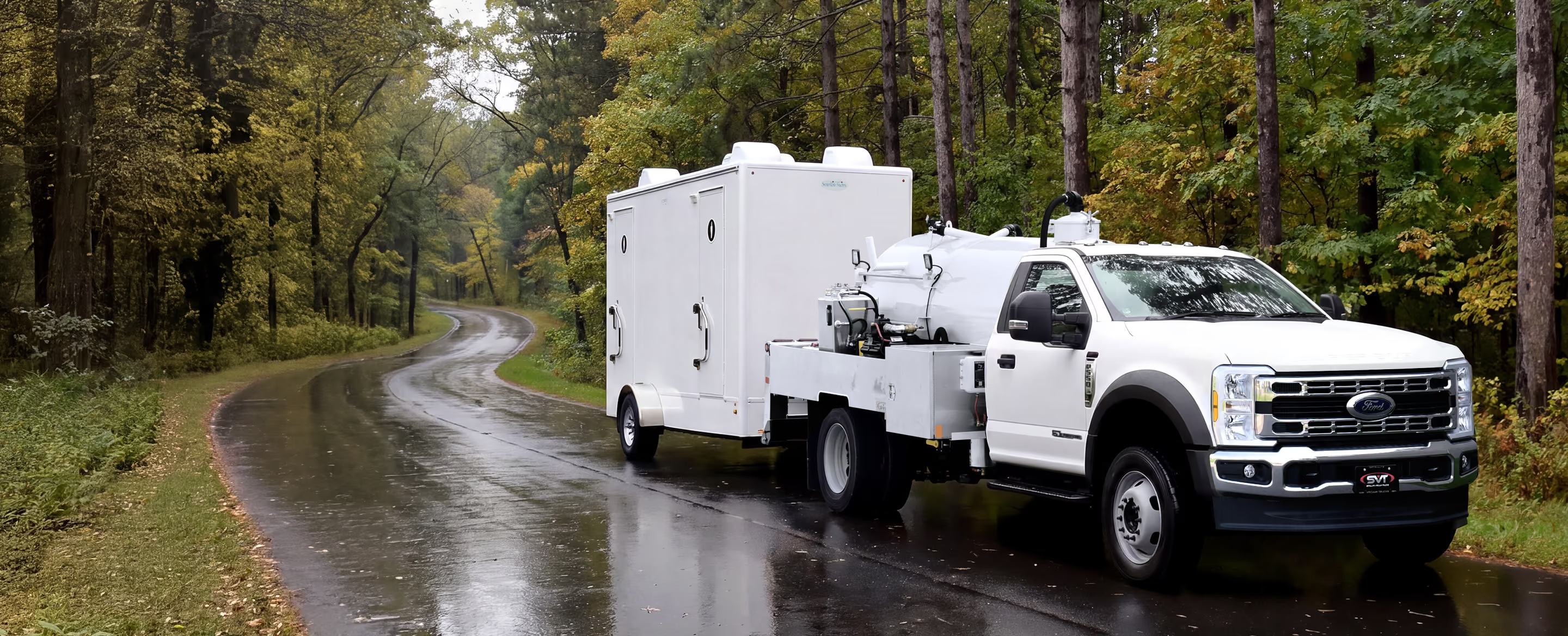
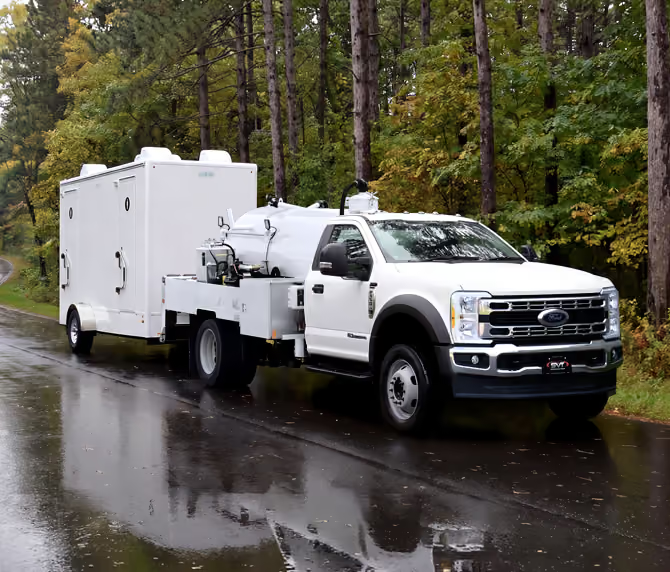
And let’s not forget the backbone of portable sanitation: vacuum service trucks. These specialized trucks are what your crews, our rental partners, use to pump out and service all those portable toilets and holding tanks. Keeping units clean and functional is just as vital as getting them there in the first place.
Finally, while it’s not a physical supply, waste disposal logistics are a huge part of effective flood recovery. This means working with local authorities to properly get rid of flood-damaged debris and making sure all portable toilets and tanks are regularly serviced and emptied. It’s all about a smooth operation from start to finish.
Frequently Asked Questions about Flood Recovery
Dealing with the aftermath of a flood can feel like navigating a maze blindfolded. It’s a lot to take in! We understand you’ll have countless questions, especially when helping your customers get back on their feet. Here, we’ll tackle some of the most common and urgent questions we hear about flood recovery supplies and what comes next.
How quickly must you act to prevent mold after a flood?
This is perhaps the most critical question, and the answer is simple: you must act incredibly fast. Mold loves damp, humid places, and a flooded environment is its perfect breeding ground. Spores can begin to grow on wet surfaces within just 24 to 48 hours after water exposure. Think about that – that’s a tiny window!
This is why getting the area dry, and keeping it dry, is paramount. The quicker you can remove moisture and reduce humidity levels, the less chance mold has to take hold. For your customers, this means having flood recovery supplies like dehumidifiers and high-velocity air movers on hand and deploying them as soon as it’s safe. It’s truly a race against the clock to prevent this sneaky secondary damage.
What are the most critical safety steps before re-entering a flooded building?
Before anyone even thinks about stepping back into a flood-damaged building, safety has to be the absolute top priority. It’s not just about what you can see; there are hidden dangers everywhere.
First and foremost, make sure the electricity and gas are completely shut off at the main source. This isn’t a suggestion – it’s a life-or-death rule. You don’t want anyone touching live wires or dealing with a gas leak. If you smell gas or see any damaged electrical lines, stop right there and call a professional. Do not enter!
Next, take a good, hard look at the structural integrity of the building. Are the walls leaning? Is the ceiling sagging? Are there big cracks? If anything looks shaky, a qualified inspector needs to check it out before anyone goes inside. You don’t want a roof caving in!
Also, be aware that floodwaters can displace all sorts of critters. You might find snakes, rodents, or insects seeking shelter inside. Approach cautiously. And before you start any cleanup, make sure to document all the damage with photos and videos. This is vital for insurance claims and any assistance your customers might need.
Finally, and we can’t stress this enough, wear full Personal Protective Equipment (PPE). This includes N-95 respirators, waterproof boots, heavy-duty gloves, and safety goggles. These flood recovery supplies are your first line of defense against contaminated water, mold spores, and sharp debris. Don’t skimp on safety!
How should valuable documents and photos be handled?
Finding cherished photos and important documents soaked in floodwater can be heartbreaking. But don’t despair! Many items can be salvaged with the right approach.
First, prioritize what’s most critical. Think passports, birth certificates, deeds, and irreplaceable family photos. These are the items that need immediate attention.
For items that can’t be cleaned right away, a smart trick is the freezing method. Gently rinse off any mud, place the documents or photos in plastic bags (don’t stack too many), and pop them into a frost-free freezer. Freezing halts mold growth and prevents further water damage until you can properly address them. It’s like pressing pause on the disaster!
If you can clean and dry them immediately, air drying is the way to go. Gently rinse off mud with clean water. For books, stand them on end with the pages fanned out, using paper towels between pages to wick away water. For photos, rinse them and lay them flat to air dry on a clean, non-stick surface. Resist the urge to use direct sunlight or heat, as this can cause warping, sticking, or further damage. Patience is key here.
For highly valuable or severely damaged items, especially things like antique books or priceless artworks, consider reaching out to professional restoration services. They have specialized techniques and equipment that can work wonders on delicate materials.
And here’s a tip for future preparedness: digitize important documents and photos before a flood ever happens. That way, even if the originals are lost, you’ll have digital copies safe and sound. After a flood, once items are clean and dry, consider digitizing them then too. It’s a great way to ensure these precious memories and vital papers are preserved.
Conclusion: Equipping Your Rental Fleet for Disaster Response
When floods hit, they leave behind so much more than just water. They leave a trail of challenges that demand quick thinking and the right tools. For rental companies like yours, being ready with a strong stock of flood recovery supplies isn’t just smart business. It’s a huge help to your community. It’s about being there when people need you most.
We’ve walked through all the key items together. From the vital safety gear that keeps everyone safe during re-entry, to the tough tools and cleaning agents needed for the messy cleanup. We also covered the powerful drying equipment that fights off mold and saves properties. And let’s not forget the absolutely critical sanitation solutions that protect public health when everything else is down.
Imagine being the one who can quickly provide these essentials. That ability to deploy fast makes a world of difference. It helps a community bounce back much quicker, turning a stressful situation into one of hope. At Satellite Industries, we’re proud to support you in this vital role. We build the tough, smart portable sanitation equipment that your rental fleet needs. Our advanced engineering means our products are super durable and easy to use, even in the toughest flood conditions.
Partnering with us means you’re more than just a supplier. You become an indispensable part of disaster recovery. You’re helping people rebuild their lives and their communities. Ready to strengthen your fleet and make an even bigger impact? Let’s explore how our products can help you prepare for anything.
Latest from the Satellite Industries Blog
Need Help {Finding the Right Sanitation Solution?}
Satellite Industries is the largest manufacturer of portable restrooms, restroom trailers, restroom trucks, septic trucks, slide-ins, unit haulers, vacuum technology, modular solutions, consumables and deodorizers.