
How a Vacuum Truck Works: Components, Operation, and Fleet Lifecycle
A vacuum truck uses a vacuum pump, sealed tank, hoses, valves, and safety systems to collect and transport liquid waste, sludge, and other pumpable material. While equipment varies by application, every liquid vacuum truck operates on the same basic principle: pressure differential.
The vacuum pump removes air from the sealed tank, lowering the pressure inside. Because atmospheric pressure outside the tank is higher, it pushes material through the suction hose and into the tank. In other words, the pump does not directly pull material into the tank; it creates and maintains the pressure difference that allows material to move.
At sea level, atmospheric pressure can theoretically support a water column of approximately 34 feet under a perfect vacuum. Actual suction lift is lower and is affected by factors such as elevation, hose length and diameter, routing, material characteristics, and overall system performance.
Satellite Industries incorporates these systems into restroom trucks, septic trucks, cabover trucks, and slide-in units designed for day-to-day service operations. This guide covers vacuum truck suction, core components, standard operation, emergency-response considerations, fleet replacement, and what to inspect when evaluating used equipment. For a broader introduction, see vac trucks and the types available.
How Hose Size and Length Affect Performance
Hose diameter: Smaller-diameter hose can increase material velocity, but it also creates greater friction and airflow restriction. The correct hose size depends on the material, pump capacity, lift, and total hose length.
Longer hose runs: Add friction loss regardless of hose diameter, reducing the pressure differential available at the pickup point.
Liquids versus slurry: Thin liquids generally follow the pressure differential predictably. Slurry and material with suspended solids need enough velocity to keep solids moving instead of settling and partially blocking the line.
For operators, this means you can't judge pump performance by rating alone. Hose diameter, hose length, source depth, material type, and routing all affect how effectively material moves into the tank.
The Core Components of a Vacuum Truck
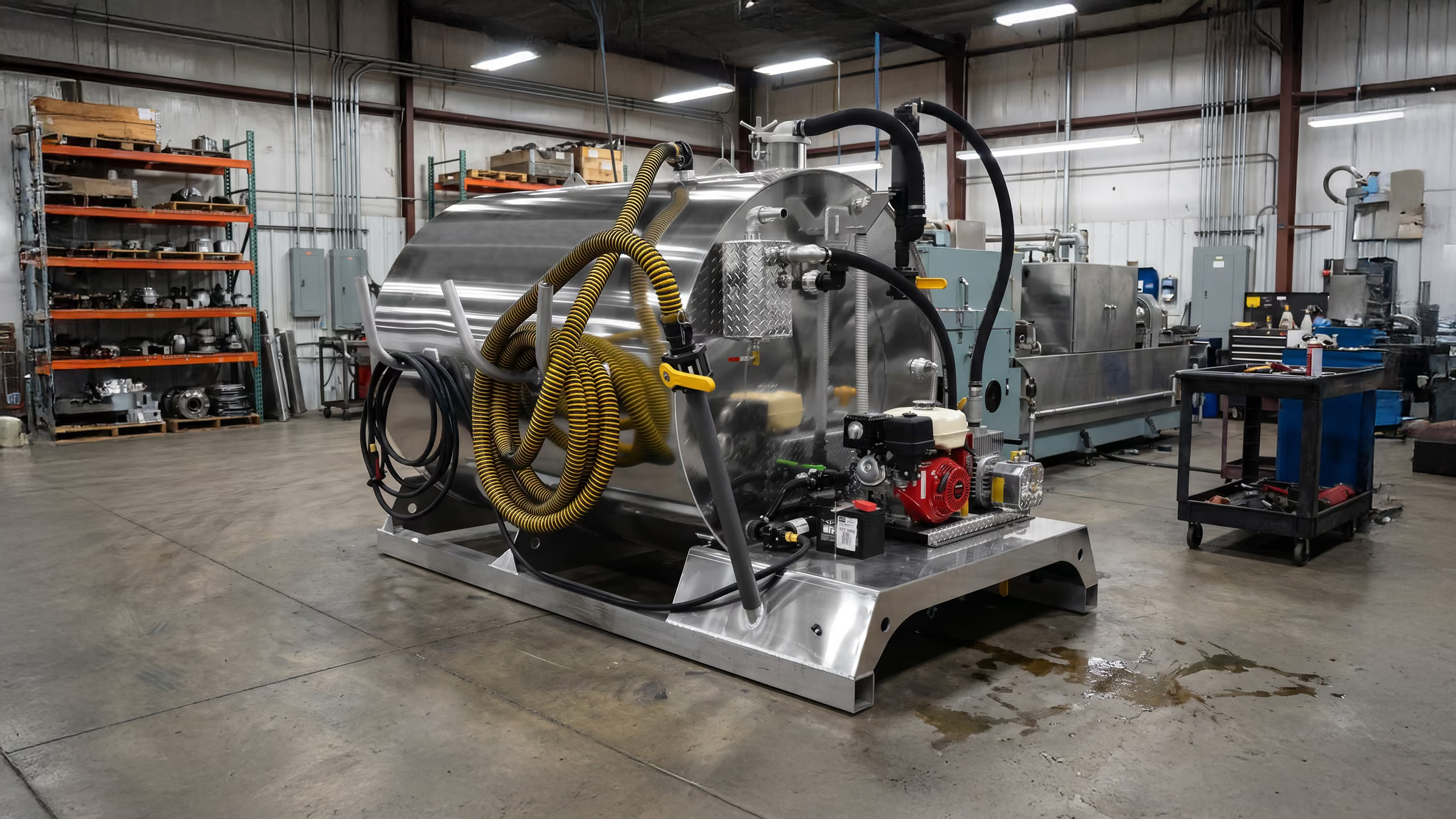
A vacuum truck relies on several systems working together. The table below shows what each core component does, its common failure point, and the most relevant pre-operation check for that component.
How the components work together
The vacuum pump creates the pressure differential that moves material through the suction hose and into the tank. As the tank fills, the primary shutoff helps protect the pump from liquid carryover, while the moisture trap and filtration system provide an additional layer of protection.
Valves and the manifold control airflow and material movement throughout the operating cycle. At offload, the system is returned to the appropriate pressure state before the rear door or discharge system is operated. Together, these components create a controlled path from pickup through transport and disposal.
For a deeper look at pump types, internal mechanics, sizing, and maintenance for septic routes, see what a vacuum pump does in a truck.
Operating a Vacuum Truck: Standard Service Cycle
A normal vacuum truck service cycle follows the same basic sequence across many jobs. The material and disposal requirements may change, but the operating order remains consistent.
- Assess the site and position the truck. Confirm access to the source, identify overhead or underground hazards, and position the truck to keep the hose run as short and practical as possible.
- Deploy and inspect the hose. Visually inspect the hose and every cam lock fitting before placing the hose into the source.
- Build vacuum gradually. Bring the system up to vacuum before opening it to full flow. This reduces stress on hoses and fittings and gives the operator a chance to catch a poor connection early.
- Monitor the fill continuously. Watch the primary shutoff float and tank level rather than relying on a fixed fill time.
- Release vacuum before disconnecting. Never open or disconnect a fitting while the system is still under negative pressure.
- Secure the truck for transport. Confirm the rear door is fully latched and sealed before moving the truck.
- Offload at the disposal site. Follow the site-specific procedure for controlled release and offloading.
Important: Operators should remain in control of the vacuum operation and follow all manufacturer procedures, company safety requirements, and applicable regulations throughout the loading and offloading process. For a broader overview of built-in safety systems and design features, see Vacuum Truck Safety Features.
Safety Note: Operations involving flammable, combustible, hazardous, or unknown materials may require additional controls, including bonding, grounding, atmospheric monitoring, PPE, and material-specific procedures. Always follow applicable regulations, site requirements, and manufacturer guidance.
Vacuum Trucks in Emergency Response
Vacuum trucks can support certain emergency-response applications, including standing-water removal and the handling of pumpable sludge or wastewater. Because emergency work can involve unfamiliar materials, changing disposal requirements, and demanding operating conditions, operators should evaluate several factors before deployment.
Learn more about portable sanitation for disaster relief.
What to assess before taking emergency-response work
- Material variability: Emergency material may be more mixed and unpredictable than the consistent septage or sludge handled on a normal route. That places more demand on filtration and moisture protection.
- Disposal capacity and routing: During large-scale events, disposal sites may operate under altered procedures or capacity constraints, so field routing becomes more important.
- Fleet configuration: Septic and restroom trucks use liquid-handling configurations that may also support certain flood and storm-response applications without requiring a separate equipment category.
- Readiness: Operators that regularly pursue this work benefit from treating emergency response as a standing fleet capability, with part of the fleet configured and stocked for rapid deployment rather than redirecting route trucks without preparation.
When to Upgrade Your Vacuum Truck Fleet
The replacement decision becomes clearer when you evaluate repair cost, downtime, efficiency, safety, and operator experience together, rather than only whether the truck still runs.
1. Repair and downtime costs are approaching replacement cost
As a truck ages, both repair frequency and cost can rise. A practical comparison is annual repair and downtime cost versus the annual cost of financing a replacement. When those figures begin to approach each other, replacement may make more financial sense than continuing to repair the existing truck.
2. Downtime is reducing route revenue
Repair invoices show only part of an unreliable truck's cost. A unit parked for repairs also isn't producing revenue on its assigned route, so downtime should be measured against route revenue as well as workshop cost. Repeated failures compound that lost capacity, especially during peak periods or when the same truck returns for related repairs.
3. Newer equipment can improve route efficiency
Newer units may improve pump efficiency, tank materials, and washdown systems. When these improvements reduce cycle time per stop, the fleet can gain route capacity without necessarily adding another truck.
4. Safety or compliance requirements have changed
Newer equipment can also close safety or compliance gaps that are difficult to quantify in direct operating cost, particularly for fleets working under stricter municipal or government contract requirements.
5. Equipment condition is affecting operators
Drivers and crews notice the condition of the equipment they use every day. An aging truck that becomes unreliable or frustrating to operate can affect operator retention and route performance.
Financing is worth evaluating early because it determines the real annual cost of a replacement. As the decision becomes more concrete, compare that cost with repair trends, downtime, and the capabilities in the current vacuum truck lineup.
How to Evaluate Used Vacuum Truck Equipment
A used vacuum truck can look serviceable during a walk-around while still carrying expensive mechanical risk. A more useful inspection focuses on the tank, pump history, door and seals, hoses and fittings, chassis condition, and documentation. Odometer mileage matters, but tank condition and pump condition can be more important indicators of the unit’s likely operating risk and repair exposure.
Used vacuum truck inspection checklist
- Inspect the tank's internal condition. Look for visible corrosion, pitting, coating deterioration, or damage, particularly near the sump. Internal inspections should follow appropriate inspection methods and applicable safety procedures.
- Review pump hours and service history. High pump hours matter, but heavy hours without documented maintenance create a larger unknown than the hours figure alone.
- Inspect the rear door seal and latches. Check for even gasket contact, compression loss, latch wear, hinge play, visible damage, and evidence of leakage.
- Check every hose and fitting. Flex each hose for soft spots and inspect cam lock gaskets individually rather than checking only a sample.
- Compare chassis and drivetrain wear with mileage. If the condition does not match the stated odometer reading, investigate the discrepancy before dismissing it.
- Request inspection records. Past DOT inspection documentation helps connect the truck's physical condition with its operating history. A complete inspection record changes the risk profile compared with a similar-looking unit without documentation.
Satellite Industries manufactures new vacuum truck equipment, but these checks remain useful when a used unit is the right fit for an operator. The goal is to evaluate the equipment's condition and operating risk on its own merits, especially when tank or pump problems could materially change the cost of ownership.
FAQ
How does a vacuum truck work?
A vacuum truck uses a pump to remove air from a sealed tank, creating lower pressure inside the tank than outside it. Atmospheric pressure then pushes liquid, sludge, or slurry through the suction hose and into the tank. A primary shutoff protects the pump as the tank fills, and the collected material is transported for offload.
What are the main parts of a vacuum truck?
The main components are the vacuum pump, primary shutoff, vacuum tank, rear door and seal, suction hose and fittings, moisture trap and filter, valves and manifold, and washdown system. Together, they create and control vacuum, move material, protect the pump, contain the load, and support cleanup.
How do you operate a vacuum truck safely?
Safe operation includes assessing and positioning the truck, inspecting hoses and fittings, building vacuum gradually, monitoring tank fill, releasing vacuum before disconnecting fittings, securing the truck for transport, and following disposal-site procedures. Operators should follow manufacturer instructions, company safety requirements, and applicable regulations throughout operation.
When should you replace a vacuum truck?
Replacement is worth evaluating when annual repair costs, downtime losses, and declining productivity begin to materially offset the cost of newer equipment.
What should you check when buying a used vacuum truck?
Check the tank's internal condition, pump hours and maintenance history, rear door seals and latches, hoses and fittings, chassis and drivetrain condition, and available inspection records. Tank and pump condition are particularly important because problems in either area can significantly affect operating risk and ownership cost.
What is a liquid vacuum truck?
A liquid vacuum truck is designed to pump and transport liquid and semi-liquid material such as septage, sludge, and wastewater. It differs from equipment designed primarily for dry material or non-destructive digging. Liquid vacuum trucks are commonly used in portable sanitation and septic service. Satellite Industries manufactures liquid vacuum trucks in restroom truck and septic truck configurations, along with related slide-in units.
Find Vacuum Trucks For Your Fleet
Satellite Industries builds vacuum trucks for daily service operations, from slide-in units for smaller routes to purpose-built restroom and septic trucks. Browse the current vacuum truck lineup, explore financing for a fleet replacement, or speak to a Satellite Account Executive about specifying your next truck.
Latest from the Satellite Industries Blog
Need Help {Finding the Right Sanitation Solution?}
Satellite Industries is the largest manufacturer of portable restrooms, restroom trailers, restroom trucks, septic trucks, slide-ins, unit haulers, vacuum technology, modular solutions, consumables and deodorizers.
.webp)
.webp)